


More news on this day
Ukraine has approved a 30 percent increase in nationally regulated rail freight tariffs, a move that will raise transport costs for bulk commodities and containerized cargo moving across one of Europe’s most strategically important rail networks.
Get the latest news straight to your inbox!
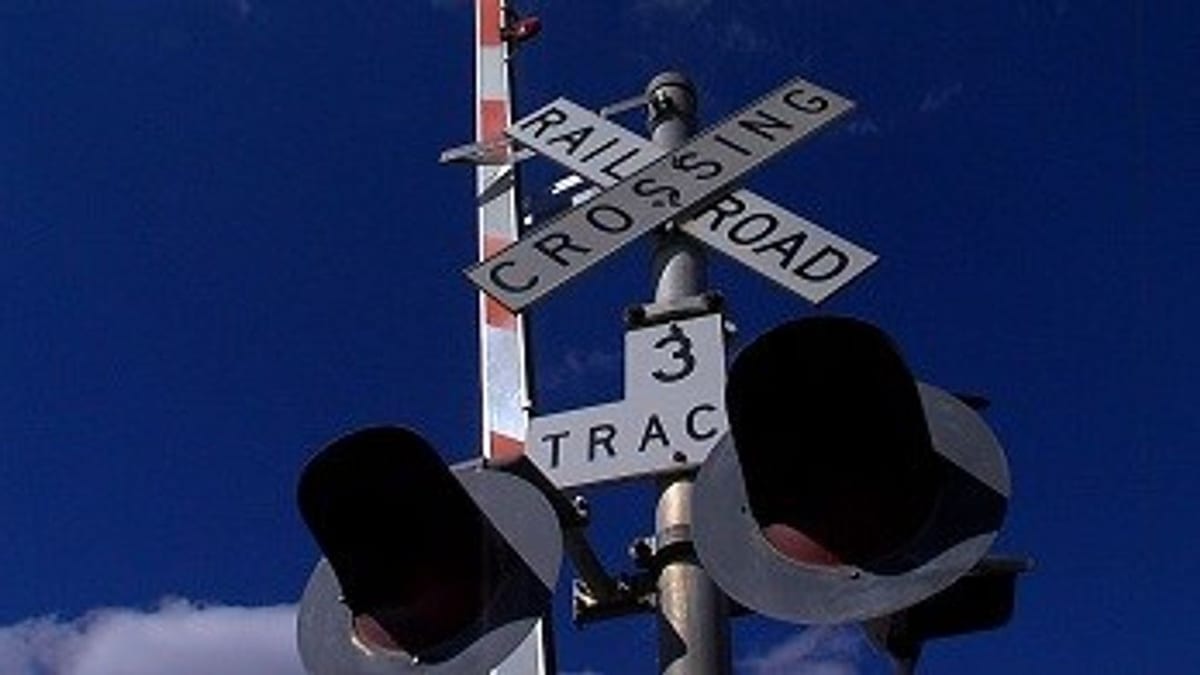
Sharp Tariff Rise Targets War‑Time Rail Finances
Publicly available regulatory documents and local media coverage indicate that the 30 percent uplift applies to state‑regulated tariffs in the national Tariff Book for domestic rail freight and related services. The change, introduced through amendments to the coefficients used to calculate freight charges, affects a wide range of cargo types handled by Ukrainian Railways, the state‑owned rail operator that holds a de facto monopoly on freight movements within the country.
The new coefficients are being applied against base rates that were already indexed substantially in earlier rounds of reform, when Ukraine began shifting from ad hoc tariff decisions toward a more formula‑based approach tied to industrial inflation. Analysts note that the latest rise is designed to close the gap between regulated tariffs and sharply higher operating costs for energy, materials and infrastructure maintenance accrued since the full‑scale invasion in 2022.
Ukraine’s rail system remains a critical backbone for the wartime economy, carrying grain, metals, fuel and humanitarian cargo between industrial centers, border crossings and remaining deep‑water ports. As seaborne trade continues to face security and insurance constraints, rail corridors have taken on a larger share of export and import flows, magnifying the impact of any change in freight pricing.
The 30 percent adjustment comes after a period in which domestic freight tariffs were largely frozen despite high inflation and currency volatility. Financial disclosures from Ukrainian Railways for recent years show pressure on liquidity, with management citing reduced freight volumes, regulated tariffs that lagged cost growth, and mounting capital needs for rolling stock and infrastructure.
Implications for Exporters and Cross‑Border Corridors
The increase is expected to be felt most acutely by exporters of bulk commodities such as grain, ore and steel products that depend on rail to reach western border crossings and ports on the Danube and Black Sea. Industry observers say transport now accounts for a significantly higher share of the delivered cost of Ukrainian exports, and a 30 percent uplift in rail charges will compress margins further, particularly for low‑value cargoes.
Logistics operators active on the main east‑west corridors report that shippers have limited options to switch modes, as road haulage capacity and fuel costs also remain under pressure and key routes are constrained by security checks and damaged infrastructure. For many exporters, especially in central and eastern regions, the rail network remains the only viable way to move large volumes to EU borders and transshipment hubs.
At the same time, some analysts argue that a more cost‑reflective rail tariff structure could support longer‑term investment in capacity and reliability along key freight corridors. International financial institutions and policy studies on Ukraine’s rail sector have long highlighted the need to reduce opaque cross‑subsidies from freight to passenger services and to move toward economically justified tariffs paired with targeted social support for vulnerable users.
For cross‑border movements, the national tariff adjustment feeds into complex pricing chains that also include track‑access charges and handling fees on the EU side. Operators note that while higher Ukrainian charges will raise door‑to‑door costs, the overall competitiveness of rail against road and river options will continue to depend on congestion, customs processing times and terminal efficiency at busy border crossings.
Balancing Cost Recovery With Economic Competitiveness
According to policy papers and sector analyses, Ukrainian Railways has historically relied on freight revenues to offset losses in passenger operations, especially on socially important routes where fares are kept low. This cross‑subsidy model left freight customers bearing a disproportionate share of the financial burden, while underinvestment accumulated in both infrastructure and rolling stock.
The latest 30 percent hike is framed domestically as part of an effort to stabilize the railway’s finances under martial law and to safeguard its role in national defense logistics, civilian mobility and export continuity. Economic commentators, however, stress that repeated step increases in freight tariffs risk pushing some industrial shippers to scale back output or seek alternative routing through neighboring countries where possible.
The challenge for policymakers is to align rail pricing with the broader recovery agenda, which prioritizes restoring industrial production, expanding agricultural exports and integrating more deeply with EU markets. Transport economists argue that tariff decisions should be paired with reforms in governance, investment planning and transparency so that customers can see how additional revenue is being deployed to improve service quality, capacity and safety.
There is also a debate within Ukraine’s business community about the distributional effects of the new tariffs across different cargo groups. Heavy bulk flows such as iron ore and coal tend to be more sensitive to transport cost changes, while higher‑value manufactured goods and containerized shipments may be able to absorb a larger share of the increase without losing export competitiveness.
Operational Strain and Infrastructure Investment Needs
Ukraine’s railways have operated for more than two years under war‑time conditions, coping with damage to tracks, bridges and power systems, as well as heightened security risks and the loss of access to some eastern industrial centers. Publicly available information from international organizations and Ukrainian Railways indicates that emergency repairs and rerouting efforts have kept core corridors functional but at the cost of heavier wear and higher maintenance demands.
The 30 percent freight tariff increase is seen by many transport specialists as a mechanism to support essential outlays on traction power, spare parts and basic infrastructure works. Without additional cash flow, they argue, the risk of service disruptions on critical freight routes would grow, with knock‑on effects for export flows, domestic supply chains and humanitarian logistics.
At the same time, long‑term modernization projects, such as upgrading signaling systems, renewing the aging freight wagon fleet and enhancing interoperability with neighboring EU rail networks, require financing on a scale that cannot be covered by tariff adjustments alone. International partners have emphasized that a mix of public funding, concessional finance and private participation will be needed to rebuild and modernize Ukraine’s transport infrastructure after the war.
For the travel and logistics community following developments in Ukraine, the new freight tariff level underscores the tension between keeping the rail system financially viable today and preserving the price competitiveness that will be essential for the country’s economic revival and future integration into European transport corridors.
What Higher Freight Tariffs Mean for Travelers and the Wider Region
Although the 30 percent increase targets freight rather than passenger services, it carries indirect implications for travelers and the broader regional transport map. By bolstering freight revenues, the measure may help reduce immediate pressure to sharply raise passenger fares on domestic routes that millions rely on for evacuation, commuting and basic mobility.
For international passengers and tour operators planning future trips that combine rail and road across Central and Eastern Europe, the financial stability of Ukrainian Railways is also a key consideration. A solvent, better funded rail operator is more likely to maintain regular cross‑border passenger links, night trains and feeder services that connect to EU hubs once security conditions permit a fuller resumption of travel.
In neighboring countries, logistics firms are monitoring the tariff change as part of a wider reconfiguration of trade flows triggered by the war. Higher Ukrainian rail freight costs may redirect some transit cargo toward alternative Black Sea and Baltic routes, while still leaving Ukraine as a pivotal land bridge between Europe and global markets for agricultural and industrial goods.
For now, the 30 percent uplift in national rail freight tariffs illustrates how deeply transport policy is intertwined with Ukraine’s war‑time resilience and long‑term recovery. Decisions taken in tariff formulas and regulatory orders are shaping not only the cost of moving goods today but also the future landscape of travel, trade and connectivity across the region.