


More news on this day
Passengers traveling through Kenya on August 30, 2026 are facing renewed uncertainty as significant flight delays ripple across major airports, disrupting connections for domestic and international journeys at the tail end of the peak safari season.
Get the latest news straight to your inbox!
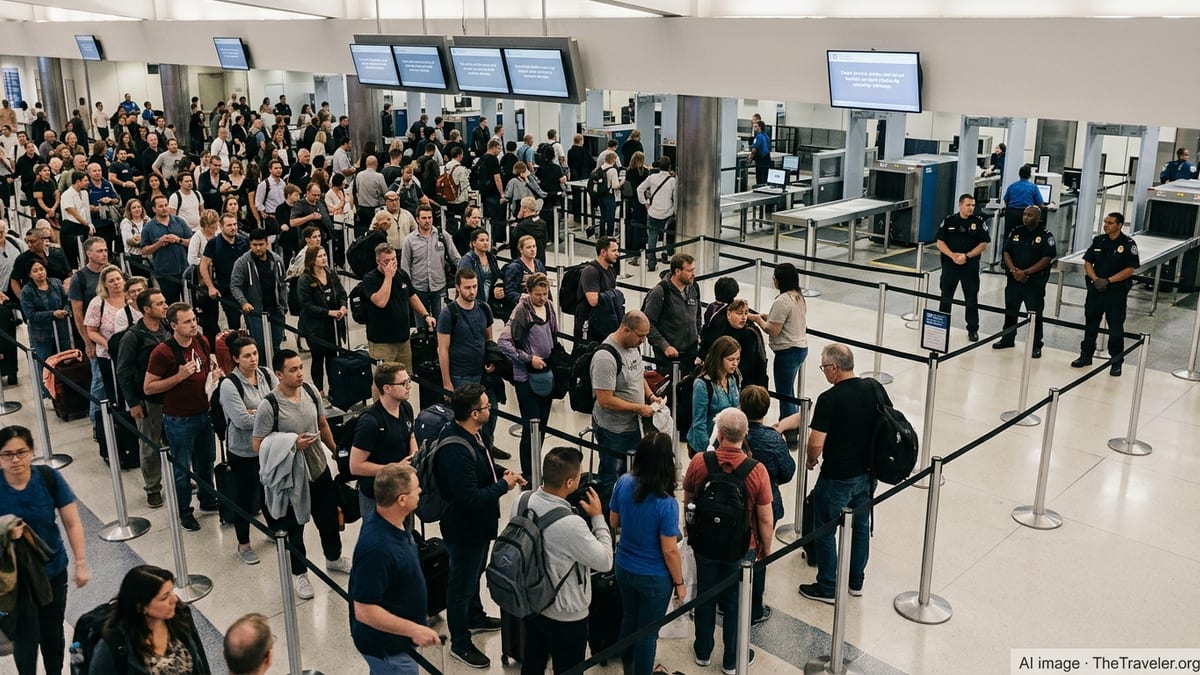
Delays Reported at Nairobi’s Main Gateway
Publicly available flight status boards on August 30 show a pattern of extended departure delays at Jomo Kenyatta International Airport (JKIA) in Nairobi, particularly on busy domestic routes linking the capital with coastal and regional cities. Live data from tracking and schedule services indicates that several Kenya Airways services on the Nairobi to Mombasa corridor have been operating behind schedule in recent days, with some flights recording arrival delays of around 20 to 30 minutes and longer on certain rotations.
On Sunday, August 30, a Kenyan media outlet reported that Kenya Airways had warned of departure delays of approximately two to three hours for some flights out of JKIA, citing ongoing air traffic control challenges at the airport. According to the same coverage, the disruption primarily affects outbound services, adding pressure to connection windows for travelers transiting through Nairobi to destinations elsewhere in Africa, the Middle East and Europe.
Independent live-arrival feeds for JKIA display a mix of on-time and delayed flights, suggesting that while operations continue, punctuality is under strain. For passengers, the result is an uneven experience in which some departures proceed close to schedule while others are held on the ground, forcing last-minute changes to ground transfers and hotel check-in plans.
Online discussion on Kenyan social platforms on August 30 further highlights reports of lengthening queues and extended waiting times at JKIA, with contributors attributing delays to a go-slow by some aviation staff. Although such accounts are informal, they mirror the pattern seen during a February 2026 labor-related slowdown that also triggered widespread delays and cancellations at the hub.
Impact Spreads to Coastal and Regional Airports
The disruption in Nairobi is feeding through to Moi International Airport in Mombasa and other domestic destinations that rely heavily on JKIA for feeder traffic. Real-time boards for arrivals into Mombasa show several Kenya Airways flights from Nairobi landing later than scheduled over the last 48 hours, with historical data for services such as KQ608 pointing to an average delay in the order of tens of minutes on recent rotations.
These delays are particularly sensitive at the Kenyan coast, where many visitors rely on tight flight connections from Nairobi to reach beach resorts in time for check-in and onward road or boat transfers. Even relatively modest schedule slippage can cascade into missed hotel transfers, shortened stays and costly, last-minute ground-transport rearrangements for international tourists and local holidaymakers alike.
Similar knock-on effects are possible at other key domestic gateways, including Kisumu, Eldoret and coastal airstrips that depend on timely movements from JKIA. Kenya’s official master plan for JKIA and Wilson Airport projects strong passenger growth through 2030, emphasizing the role of Nairobi as a regional hub. Any sustained irregularity at the capital’s main airport therefore has the potential to reverberate across the broader network of smaller Kenyan airports.
For regional and long-haul travelers using Nairobi as a connection point to destinations such as Entebbe, Lusaka or Johannesburg, delays on inbound domestic legs raise the risk of missed onward flights. Travel forums in recent months have already featured advice urging visitors to build buffer times into itineraries involving Kenya Airways connections through JKIA, reflecting wider concerns about schedule reliability on some routes.
Operational Strain on a Growing African Hub
The latest delays arrive at a time when Kenyan aviation is managing both strong demand growth and structural constraints. Government planning documents for JKIA highlight expectations that passenger volumes will rise from around 8.6 million in 2024 to roughly 13 million by 2030, reinforcing Nairobi’s position as a key transfer point between Africa and the rest of the world. That growth curve places sustained pressure on runways, terminals and air traffic management systems, particularly during peak holiday and business-travel periods.
Kenya Airways’ most recent corporate reports also outline industry-wide challenges including aircraft and engine supply bottlenecks and higher operating costs. While such factors do not directly explain a single day’s disruption, they frame an operating environment in which airlines have less flexibility to absorb sudden shocks, whether from staffing issues, weather events or technical constraints in air traffic control.
Earlier in 2026, heavy rains and flash flooding in parts of Kenya contributed to temporary disruptions at Nairobi airports, underlining the vulnerability of aviation operations to external shocks. When combined with internal factors such as labor disputes or technical issues in the control tower, these pressures can result in recurring periods of irregular operations, as travelers are experiencing once again at the end of August.
Industry observers also point out that JKIA is competing with other African hubs that have invested heavily in new terminals and upgraded navigation systems. Maintaining reliability and minimizing knock-on delays will be central to preserving Nairobi’s competitive position as airlines and passengers weigh alternative connection points across the continent.
Travelers Face Missed Connections and Changing Plans
For passengers caught up in Sunday’s delays, the practical impacts range from missed safari departures to rebooked international connections. Travel-planning discussions on forums and social platforms over recent weeks already reveal a pattern of caution around itineraries relying on single-day connections through Nairobi, with several contributors recommending at least one buffer day between arrival in Kenya and the start of time-critical trips such as safaris.
Reports from Sunday’s disruption align with that cautious approach. Two to three hour delays on departures out of JKIA can easily invalidate carefully planned itineraries where travelers expect to connect to evening flights or reach remote lodges before nightfall. In some cases, passengers may face additional accommodation costs in Nairobi or be forced to alter safari routes and coastal stays at short notice.
Families, business travelers and diaspora passengers visiting Kenya are particularly exposed where travel involves multiple legs and non-refundable components such as pre-paid tours. Even when airlines eventually deliver travelers to their final destinations, the stress and uncertainty associated with prolonged waiting times in crowded terminals can erode confidence in future bookings.
In the longer term, repeated episodes of disruption can influence how tour operators package Kenyan itineraries, encouraging more conservative connection times and possibly shifting some high-value traffic toward routes that offer greater schedule resilience. For now, travelers already en route are left to manage unfolding delays and rework their plans with the information available from online flight trackers and airport displays.
What Passengers Can Do Now
Travel advisors monitoring the situation on August 30 recommend that anyone flying through Nairobi or other Kenyan airports closely track their flight status via multiple channels, including airline websites, independent flight-tracking apps and the information boards published by airport operators. Relying on more than one source can help verify whether a specific delay is isolated or part of a wider pattern affecting multiple departures.
Passengers with onward connections, particularly on separate tickets, may benefit from proactively contacting airlines or travel agencies to explore rebooking options if substantial delays are indicated. In some cases, moving to a later connection or overnighting in Nairobi may reduce the risk of being stranded mid-journey. Travel insurance policies that cover missed connections and delay-related expenses can also provide a financial buffer, although coverage terms vary.
For visitors planning upcoming trips, recent experience suggests that building generous connection windows into itineraries involving JKIA is prudent, especially during busy seasons. Arriving a day earlier than strictly necessary for safaris, cruises or major events can help protect the overall trip from the impact of a single delayed flight. Choosing flexible accommodation and transfer options where possible can further reduce the financial and logistical strain of last-minute changes.
As Kenyan aviation stakeholders work to address the current disruption and longer-term capacity challenges, travelers are likely to remain watchful. The balance between Kenya’s appeal as a gateway to world-renowned wildlife and coastal destinations and the reliability of its aviation infrastructure will continue to shape decisions by airlines, tour operators and passengers in the months ahead.
Radiogeneration.co.ke: Kenya Airways announces flight delays at JKIA
JKIA.co.ke: Travel updates and disruption advisories
Kenya Ministry of Transport: JKIA and Wilson Airport master plan
AP News: Heavy rain and earlier 2026 disruption to Nairobi flights