

More news on this day
Japan’s latest tourism figures show a record wave of international visitors, and growing numbers are looking beyond Tokyo and Kyoto to discover quieter villages, art-filled landscapes, and seasonal spectacles that still feel under the radar.
Get the latest news straight to your inbox!
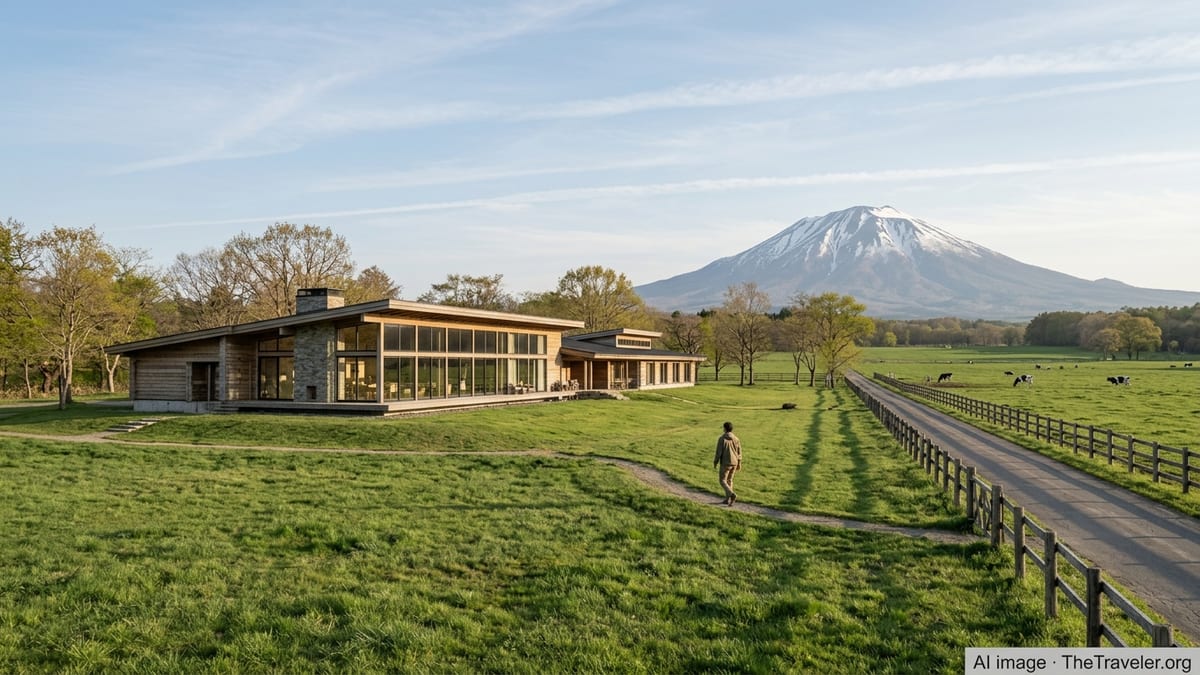
Tourism Boom Drives Demand for Quieter Corners of Japan
Publicly available data from the Japan National Tourism Organization indicates that Japan welcomed more than 40 million international visitors in 2025, surpassing pre-pandemic records and cementing the country as one of the world’s busiest destinations. Reports from travel analysts note that this influx has made securing accommodation and guides in classic hotspots such as Kyoto during peak cherry blossom or autumn foliage increasingly difficult, sometimes months in advance.
As major sights reach capacity in peak weeks, travel coverage suggests that visitors are actively searching for alternatives that deliver the same cultural richness without dense crowds. Industry trend reports for 2025 and 2026 describe a shift toward “slow travel,” with longer stays focused on specific regions and small towns rather than rapid-fire itineraries across multiple big cities.
According to tourism and economic surveys, this diversification is encouraged by national and regional revitalization policies that promote lesser-known destinations and seasonal festivals. The result is a growing network of so-called hidden gems, from farming hamlets offering farm-to-table stays to former post towns revived through art, traditional crafts, and nature-focused experiences.
At the same time, transportation and accommodation providers are adjusting to support this dispersal, from revised regional rail passes to an expansion of boutique inns in smaller prefectures. For travelers, these shifts create new opportunities to experience Japan’s landscapes and traditions at a slower pace, often with more personal interaction and lower prices outside peak city seasons.
Rural Art Landscapes and Heritage Villages Step Into the Spotlight
One of the most widely cited examples of Japan’s hidden cultural assets is the Echigo-Tsumari Art Triennial in Niigata Prefecture, a large-scale contemporary art festival that spreads installations across rice terraces, forests, and mountain hamlets. Analysis published by cultural and economic researchers describes how the event has helped reinvigorate aging communities by bringing visitors into areas long affected by depopulation.
Visitors who venture to regions like Echigo-Tsumari encounter outdoor sculptures, converted schoolhouses, and community-run cafés that blend everyday rural life with site-specific art. Observers note that, outside festival peak days, these areas remain relatively uncrowded compared with coastal or urban attractions, offering a quiet alternative for travelers interested in both culture and countryside scenery.
Other rural initiatives include farmhouse-inn clusters such as those in Ishikawa Prefecture, where traditional wooden homes are restored as small lodgings operated by local residents. Case studies cited in academic and tourism reports describe how such projects support local agriculture, preserve vernacular architecture, and give visitors a window into long-standing food and craft traditions that rarely appear on standard package tours.
International organizations have also recognized select Japanese villages for sustainable tourism practices. UN Tourism’s “Best Tourism Villages” program has highlighted several communities across Japan for protecting heritage landscapes and traditional industries while managing visitor impact, further signaling that some of the country’s most compelling cultural experiences now lie far from the Shinkansen mainline.
Seasonality Secrets: When to Visit Beyond Peak Sakura
Cherry blossom season remains Japan’s most famous travel draw, with national and regional data showing that March and April deliver record visitor numbers and billions in tourism revenue. Meteorological forecasts indicate that in many cities, full bloom now arrives slightly earlier than historical averages, while climate studies suggest the viewing window can be shorter and more sensitive to sudden warm spells.
Recent news coverage has also highlighted practical considerations during peak sakura weeks in major cities such as Tokyo, including crowding, litter concerns at popular picnic spots, and even safety issues linked to aging cherry trees in older parks. Municipal responses have included regeneration plans, tree health checks, and occasional felling of unsafe specimens, all of which underscore how intense seasonal demand intersects with infrastructure and environmental pressures.
Travel industry briefings and booking data suggest that shoulder periods offer a more relaxed alternative. Late February in parts of Kyushu and Shikoku, where early-blooming varieties appear, and mid-April in northern Honshu and Hokkaido, often provide blossoms with fewer crowds. Outside sakura altogether, May and June have shown steadily rising arrivals as travelers seek green rice paddies, alpine hiking, and lower prices ahead of the mid-summer heat.
Autumn is another strategic season for uncovering hidden gems. Foliage reports indicate that lesser-known mountain areas in Tohoku, Nagano, and rural Kyoto Prefecture can offer dramatic color without the gridlock common at central city temples. Winter, meanwhile, brings opportunities in snow country regions like Niigata and Nagano for hot spring villages, snow festivals, and local cuisine, with tourism studies emphasizing the economic importance of these off-peak visitors for regional economies.
Rail Pass Changes and Smarter Routes for Reaching Hidden Gems
Japan’s rail system remains one of the easiest ways for travelers to explore both major cities and remote valleys, but the calculus of which ticket to buy has changed. The nationwide Japan Rail Pass underwent a sharp price increase from October 2023, with reports from national media and travel analysts noting average rises of around 65 to 70 percent for foreign visitors.
More recently, transport coverage has detailed additional adjustments to regional passes and local fares, including planned reforms by JR East in 2026 that introduce a new full-line regional pass while revising prices across selected products. Public documents from rail companies and government agencies link these changes to rising maintenance costs, network expansion, and the need to manage record visitor volumes on key Shinkansen routes.
Travel planning guides now emphasize comparing point-to-point Shinkansen tickets with regional passes that target specific areas such as Tohoku, Hokuriku, or Kyushu. For travelers seeking hidden gems, these focused passes can make it practical to base themselves in a mid-size city and explore surrounding hot spring towns, heritage villages, or coastal trails without transiting repeatedly through the Tokyo–Osaka corridor.
Tourism and transport experts also highlight slower but scenic options that are less affected by price hikes, including local JR lines, private railways, and long-distance buses linking mountain regions and peninsula towns. In practice, this means that the cost of reaching rural festivals or countryside inns may be lower than many expect, especially outside peak holiday periods when accommodation and transport demand is more balanced.
What Travelers Need to Know Before Chasing Japan’s Hidden Gems
As visitor numbers climb, responsible travel has become central to how Japan presents its lesser-known destinations. Policy documents and rural innovation studies emphasize that small communities have limited capacity, and that successful tourism should support local livelihoods without overwhelming daily life or straining ecosystems.
For travelers, this translates into several practical considerations. Publicly available guidance from tourism bodies encourages visitors to check local rules around photography at shrines and private homes, book small inns and guesthouses well in advance, and use public transport wherever possible to limit congestion on narrow village roads. Observers also stress the importance of basic cultural etiquette, from speaking quietly on trains to carrying out trash in areas without regular waste collection.
Environmental impacts are a growing concern, particularly in fragile mountain and coastal areas that attract new attention through social media. Reports on rural festivals and hiking routes point to erosion, wildlife disturbance, and seasonal water shortages as emerging issues where rapid increases in visitor numbers are not matched by infrastructure upgrades.
Despite these pressures, case studies from art regions, heritage villages, and farm-stay communities show that well-managed tourism can help fund building restoration, support traditional agriculture, and keep schools and local businesses open. For visitors willing to plan around shoulder seasons, explore by slower transport, and respect community norms, Japan’s hidden gems offer a way to experience the country’s cultural depth while contributing to the resilience of the places that make it unique.