


More news on this day
Australian travellers are being urged to reconsider plans for Nepal and closely monitor official advice after catastrophic flash floods near the Nepal-China border left hundreds dead, destroyed key trekking routes and cut off popular mountain regions frequented by foreign tourists, including Australians.
Get the latest news straight to your inbox!
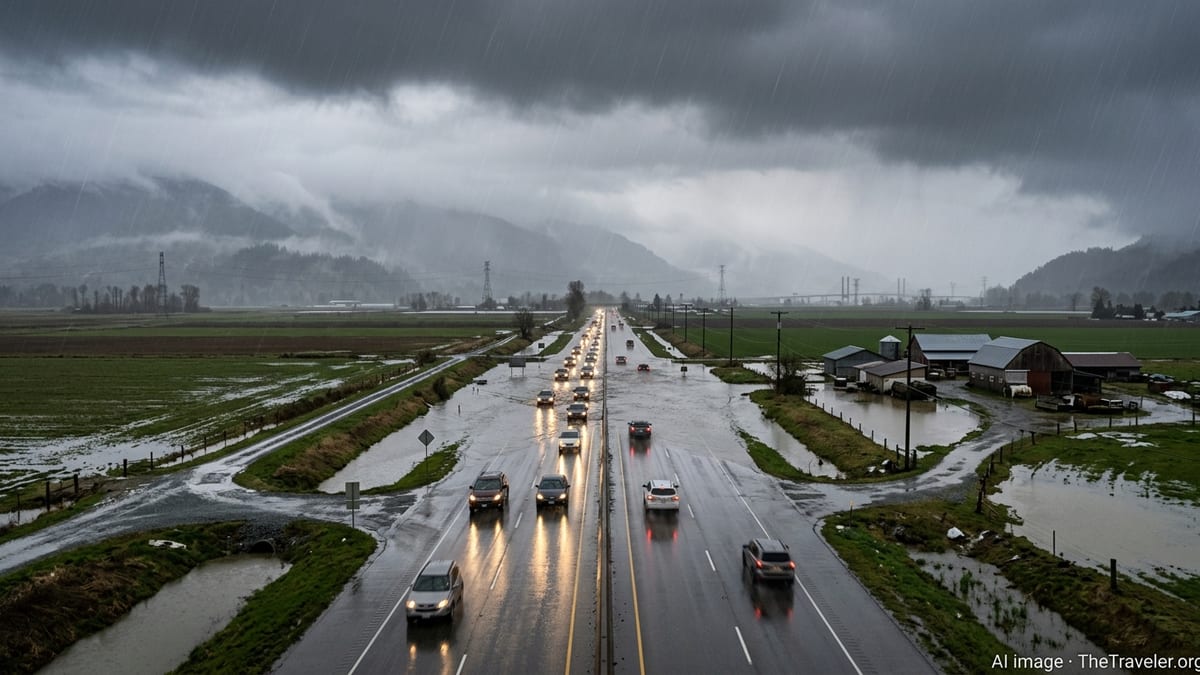
Catastrophic floods hit key trekking region in Nepal
Flash floods and mudslides on 26 August in Nepal’s Rasuwa District, near the border with China, have triggered a major humanitarian and travel crisis in one of the country’s most visited mountain regions. Reports from Nepal’s disaster authorities and international coverage indicate that hundreds of people have been killed and thousands remain missing as search efforts widen downstream along the Bhote Koshi and associated river systems.
The disaster struck parts of the Langtang and Rasuwa area, a gateway to several high-altitude trekking routes that attract international hikers during the northern autumn season. Photographs and field reports show entire settlements, bridges and roads swept away, leaving communities isolated and cutting off routes commonly used by commercial trekking groups.
Local media in Kathmandu report that the national death toll has climbed sharply in recent days, while hundreds of travellers and residents remain unaccounted for in remote valleys and along damaged roads. The scale of destruction to both communities and infrastructure is expected to affect tourism in the region for months.
Nepal’s government has described widespread damage to homes, health facilities, hydropower plants and transport links in the flood-affected districts. With monsoon rains still active, authorities and humanitarian agencies are warning of the potential for further landslides and flooding, particularly in steep terrain and along swollen rivers.
Australians among foreign tourists reported missing
Foreign hikers and workers are among those caught up in the disaster. Figures cited by the Nepal Tourism Board and international coverage indicate that several hundred foreign and domestic tourists were in flood-affected areas at the time, with many still out of contact as communications and access remain limited.
Australian media reports, drawing on data from Nepalese tourism officials, state that dozens of Australian nationals are among the foreigners listed as missing or unaccounted for. A separate trekking operator with ties to Australia has confirmed that a group of Australian clients was on a guided tour in one of the hardest-hit valleys when the floods struck.
The exact number of Australians affected is still being clarified as information flows from remote districts remain patchy. Public information from Australia’s Department of Foreign Affairs and Trade indicates that consular officials are working to identify and contact Australians believed to have been in the region and to support families seeking information.
Travel industry operators with long-standing links to the Langtang region have described extensive damage to villages that typically host international trekking groups. With roads, bridges and trails destroyed in multiple locations, tour companies are reassessing itineraries and warning that previously popular routes may not be viable in the near term.
Australian government issues urgent guidance for travellers
Australia’s official Smartraveller advice for Nepal has been updated in response to the disaster, highlighting the heightened risk of landslides, flash flooding and disrupted essential services in affected regions. The advisory urges travellers to avoid flood-impacted districts, monitor local media and follow instructions from emergency services and tour operators.
Publicly available guidance stresses that road travel in Nepal is already hazardous and that recent floods have further weakened mountain roads, bridges and hillside settlements. Travellers are advised to anticipate sudden closures, lengthy detours and the possibility of being stranded if weather conditions worsen or if additional slides occur.
The Australian Government’s crisis hub has published specific information about the Rasuwa floods, noting significant loss of life, major infrastructure damage and ongoing search operations. Australians currently in Nepal are encouraged to register their whereabouts through official channels, keep in close contact with family, and maintain flexible travel plans in case conditions deteriorate.
Officials also emphasise the importance of comprehensive travel insurance that covers evacuation from remote locations and disruptions linked to natural disasters. Travellers are urged to confirm how their policies treat trekking, mountaineering and adventure activities, and to check whether cover extends to travel in areas that may now be subject to formal warnings.
Severe damage to infrastructure and trekking routes
Reports from Nepal’s tourism authorities and regional media outline extensive damage along key trekking corridors and access roads in the northern districts. Transport links to trailheads used for popular treks have been partially or completely severed in places, hindering both rescue operations and the movement of goods and people.
With bridges swept away and trails destroyed, access to several highland communities is now possible only by helicopter or on foot via alternative, often more dangerous, paths. Tour operators and local guides are assessing conditions on the ground, but early assessments suggest that some routes may be closed for an extended period as reconstruction gets under way.
The floods have also disrupted electricity and communications in several valleys, complicating efforts to coordinate evacuations and inform families overseas. Travellers already in the country may experience prolonged outages of mobile coverage, internet access and banking services in affected districts.
Nepal’s monsoon season typically brings a heightened risk of landslides and flooding, and climate specialists have pointed to a combination of heavy rainfall and glacial processes as possible triggers for this latest disaster. International scientific organisations have previously warned that warming temperatures in the Himalayas are increasing the instability of glaciers and glacial lakes, adding to the existing seasonal flood risk in downstream communities.
What Australian travellers should do now
Australians with immediate travel plans to Nepal are being encouraged to closely review the latest official advice and to speak with airlines and tour operators before departure. Given the evolving situation, publicly available guidance recommends avoiding non-essential travel to flood-affected areas and exercising a high degree of caution elsewhere in the country.
Travellers already in Nepal are advised to stay in regular contact with family and friends in Australia, confirm that their emergency contacts are up to date, and keep copies of key documents accessible in both digital and hard-copy form. It is also recommended that visitors maintain additional supplies of essential medications, water and non-perishable food in case transport or logistics are disrupted.
Those planning trekking or mountaineering trips are urged to reconsider itineraries that pass through, or rely on access via, the worst-affected districts. Booking with reputable operators, asking detailed questions about route conditions and contingency plans, and confirming evacuation arrangements can help reduce risk in what remains a highly complex environment.
For Australians concerned about relatives who may have been in the region, the Australian Government advises using its 24-hour consular emergency lines and online crisis registration tools. Nepalese authorities have also set up dedicated mechanisms to gather information on missing persons and to coordinate humanitarian support, with details shared through official channels and verified information platforms.
As search and recovery operations continue, travel conditions in northern Nepal are expected to change frequently. Regularly checking for updated advisories and remaining flexible about routes and timing will be essential for anyone travelling to or within the country in the coming weeks.
Smartraveller: Nepal travel advice
DFAT crisis hub: Flooding in Nepal and China