


More news on this day
The United States is sharpening its messaging on international risk with a three-stage security alert approach that places fresh attention on travel to China, where reports highlight arbitrary legal enforcement and sudden exit restrictions for foreign visitors, including Americans.
Get the latest news straight to your inbox!
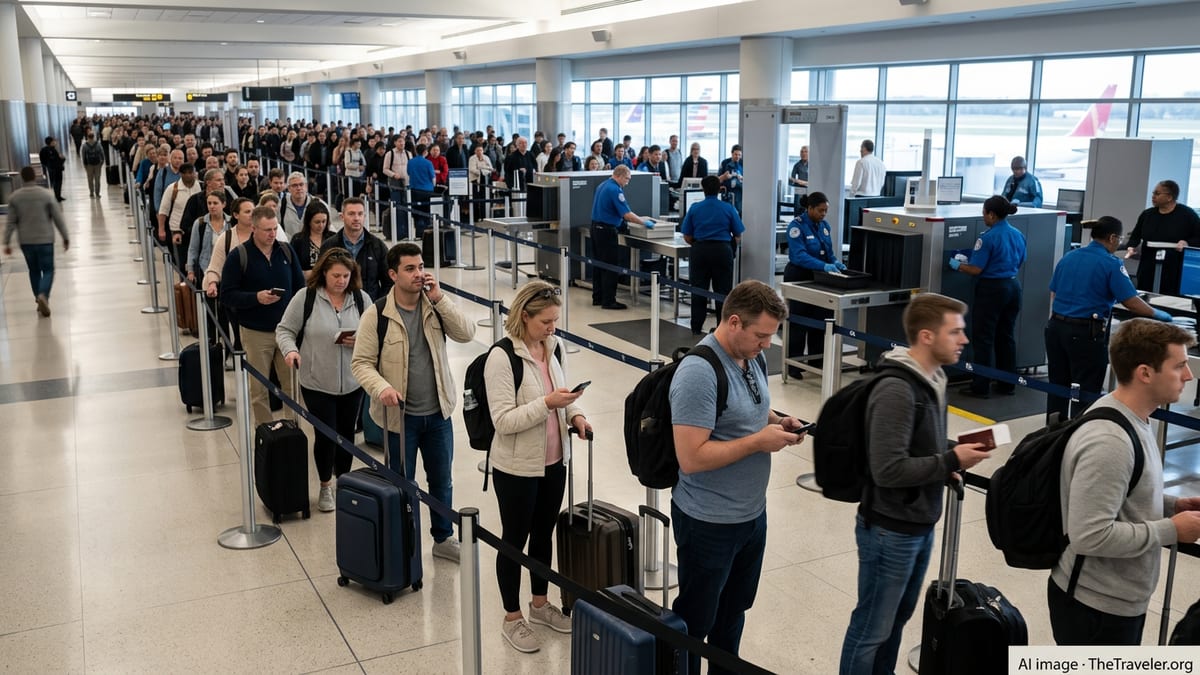
New Three-Stage Security Messaging Targets Evolving Global Risks
Recent public security communications show U.S. officials adopting a clearer, three-step pattern for warning citizens about overseas danger, ranging from broad worldwide caution to region-specific alerts and country-level travel advisories. This tiered approach is designed to help travelers distinguish between long-running structural risks and fast-moving security events when planning or adjusting trips.
According to publicly available guidance, the widest layer is a global or regional security alert, which urges Americans to exercise increased caution amid heightened geopolitical tensions or terrorism concerns. On top of that, embassies and consulates issue localized security messages in response to specific incidents such as unrest, targeted violence or infrastructure disruptions that could affect movement and consular access.
The most enduring layer is the State Department’s country travel advisory, which summarizes chronic risks such as crime, political instability, terrorism, health threats and the reliability of local legal systems. Observers note that recent updates emphasize that these advisories are written primarily from the perspective of how local dynamics can affect U.S. citizens rather than serving as a judgment on a destination’s overall safety for all travelers.
Travel analysts say the combination of global alerts and destination-specific advisories can amount to a de facto three-stage warning structure, particularly in regions where security conditions can shift quickly. For many long-haul travelers, including those considering China, the interplay of these layers has become a central part of pre-trip risk calculations.
China Advisory Highlights Exit Bans and Expansive Security Laws
China’s current U.S. travel advisory underscores ongoing concerns about legal transparency, noting that the People’s Republic of China can enforce local laws in ways that foreign nationals may find unexpected or opaque. Officially published materials describe a pattern of “arbitrary enforcement of local laws, including in relation to exit bans,” a formulation that has appeared consistently as the headline risk in recent advisory language.
Exit bans in China are legal tools that can prevent individuals from departing the country while authorities pursue investigations, civil disputes or national security cases. Rights organizations and legal scholars have documented situations in which foreign businesspeople, relatives of individuals under investigation and dual nationals were unable to leave the country for extended periods, sometimes without public charges being filed or clear avenues for appeal.
Background reporting on China’s legal framework notes that exit restrictions are supported by a suite of national security, immigration and supervision laws that have been expanded over the past decade. These rules give authorities wide latitude to control cross-border movement in cases touching on state security, corruption probes or unresolved financial disputes, creating what analysts describe as a “structural uncertainty” for foreign residents and frequent business travelers.
While large numbers of tourists and executives travel to and from China every year without incident, the possibility of being barred from departure, even in connection with a dispute the traveler did not initiate, has become one of the most scrutinized aspects of the country’s risk profile in Western advisory systems.
Escalating Legal Uncertainty Fuels Business Travel Reassessment
For corporate travel managers and multinational firms, the combination of exit bans and broad national security statutes has prompted a reevaluation of which staff are sent to mainland China and under what conditions. Industry bulletins and specialist risk briefings in early 2026 highlight that business travelers with decision-making authority, formal legal representation roles or access to sensitive commercial data may face elevated exposure in the event of commercial or regulatory disputes.
Recent case summaries circulated in legal and compliance circles describe foreign executives and advisors caught in multi-year exit restrictions linked to commercial disagreements, tax matters or allegations of misused state subsidies. In several documented examples, foreigners have been prevented from leaving until civil settlements were concluded, even when they were not personally accused of wrongdoing.
Travel risk consultancies report that companies are increasingly segmenting traveler profiles into varying risk tiers, with some organizations limiting China travel for senior officers, compliance staff and employees with ties to defense, government contracting or cutting-edge technology sectors. Others have adopted policies that require enhanced pre-trip legal reviews, clear dispute-resolution clauses in contracts and contingency planning for prolonged stays if an exit ban is imposed.
These shifts come amid a broader chill in U.S. China business sentiment, influenced by trade tensions, export controls and concerns over data security. The evolving legal landscape has made China, once a routine stop on Asia-Pacific travel circuits, a destination that many firms now classify as high scrutiny for specific categories of personnel.
Travelers Weigh Security Alerts Against On-the-Ground Realities
The three-stage warning environment has left many individual travelers trying to reconcile cautious official language with mixed anecdotal reports about daily life and tourism in China. Online forums and recent travel guides from independent operators frequently describe experiences of visiting major Chinese cities with few visible problems, while in the same breath acknowledging that legal risks, if triggered, can have severe consequences.
Published commentary stresses that U.S. advisories are written from a risk-management perspective and therefore tend to focus on worst-case scenarios rather than average outcomes. In the case of China, that means emphasizing exit bans and the possibility of detention for conduct that might be considered minor elsewhere, such as social media posts, participation in certain gatherings or involvement in politically sensitive topics.
Security analysts encourage travelers to distinguish between routine urban safety, where issues such as petty crime may be relatively manageable, and systemic legal risk, where individuals have limited control once proceedings begin. The latter category, they argue, is where China stands apart from many other popular destinations, particularly due to restrictions on access to foreign consular support in some sensitive cases.
Despite the heightened attention, there has been no broad prohibition on travel to China for U.S. citizens, and commercial flights, tourism packages and study programs continue to operate. Instead, the emerging message is that those who choose to travel should undertake more detailed preparation and be clear-eyed about the possibility, however remote, of encountering an exit restriction or legal process that unfolds on unfamiliar terms.
Practical Steps for Mitigating Risk Under the New Alert Landscape
In response to the sharpened warnings, travel experts and legal practitioners point to a number of practical measures that can reduce vulnerability for those who still need to go to China for family, academic or professional reasons. Common advice includes traveling on a valid national passport linked to the traveler’s primary citizenship, avoiding entanglement in local commercial disputes and refraining from carrying sensitive corporate or personal data across the border when not strictly necessary.
Publicly available State Department guidance recommends that Americans heading overseas enroll in traveler registration programs so they can receive real-time alerts from nearby embassies and consulates. Risk specialists also highlight the value of maintaining regular contact with employers or family, keeping copies of important documents stored securely outside the country, and understanding local laws governing social media use, public assembly and information security.
For companies, detailed pre-departure briefings, including clear explanations of how exit bans work and what support may be available if a traveler is restricted from leaving, are becoming standard practice. Some firms now require written acknowledgment from staff that they understand the risks associated with particular assignments in mainland China and have been offered alternatives where feasible.
As the United States refines its three-stage warning system and global security alerts become more common, China’s distinct mix of modern infrastructure and stringent legal controls is likely to remain a focal point. For travelers, the new landscape demands not only destination research but also a sober assessment of how much legal uncertainty they are willing to accept when crossing borders.