


More news on this day
The United States has updated its travel guidance for Saudi Arabia, maintaining a Level 3 “Reconsider Travel” advisory while highlighting heightened regional security risks, including potential Iranian drone and missile attacks and elevated danger near the Yemen border.
Get the latest news straight to your inbox!
What changed in the US advisory and when
The US Department of State’s Saudi Arabia Travel Advisory shows a Level 3 “Reconsider travel” status dated September 15, 2026, with risk indicators that include terrorism and “other.” The advisory language points to concerns that include the risk of Iranian drone and missile targeting of American interests, armed conflict, and terrorism, alongside warnings about exit bans and local laws related to social media activity.
The update did not move Saudi Arabia to a different advisory level, but publicly available information on the advisory page reflects a revised summary that adds or clarifies travel restrictions affecting US government employees and their family members based in the country.
The same advisory page also highlights a specific “Do Not Travel” warning for the Yemen border area, reflecting the continuing security risks along Saudi Arabia’s southern frontier.
Iran-related attack risk and potential disruption to travel
The updated advisory language links current risk conditions to the regional security environment following the onset of hostilities between the United States and Iran on February 28, 2026, describing an ongoing threat of drone and missile attacks from Iran. For travelers, the most immediate practical impact can be fast-changing operational conditions, including sudden airspace constraints, heightened security measures, and periods of flight disruption.
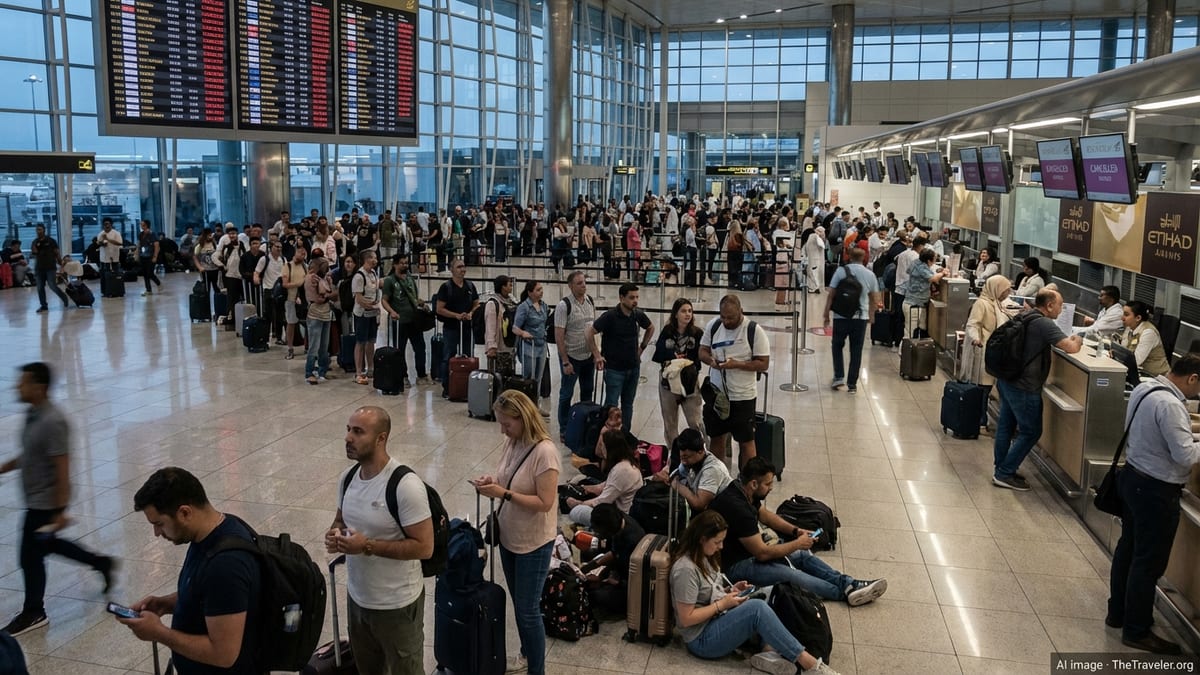
While commercial flights are described as operational, the advisory notes that flight operations have been significantly disrupted at times. Travelers with time-sensitive itineraries, such as international connections through Riyadh, Jeddah, or Dammam, may want to build in additional buffer time and monitor airline notifications closely in the days leading up to travel.
Separate State Department global security guidance published in 2026 has also warned that Iran and groups supportive of Iran may target US interests overseas or locations associated with Americans, a context that can influence security posture and traveler risk assessments across the broader region.
Yemen border warning and the geography of higher-risk areas
The advisory’s “Do Not Travel” warning for the Yemen border is paired with operational limits placed on US government personnel. The publicly posted restrictions indicate that US government employees are not permitted to travel within 20 miles of the Yemen border due to safety risks, a useful benchmark for private travelers deciding how far south to plan road trips and outdoor activities.
Additional restrictions described in the advisory include limits or special authorization requirements for certain provinces and areas, including Jizan, Asir, and Najran, which sit closer to the Yemen frontier, as well as Qatif in the Eastern Province. For travelers, these place names are a practical cue to check route maps, confirm hotel locations, and avoid unplanned overland detours into areas where security conditions can deteriorate quickly.
Comparable public travel guidance from other governments has also emphasized volatility in border regions and the possibility of disruptions near the Saudi-Yemen frontier, including the potential for airport impacts in the south, reinforcing that southern itineraries can carry elevated operational risk even when major urban centers remain accessible.
Beyond security: laws, social media, and exit bans travelers should factor in
Alongside the security language, the US advisory underscores legal and administrative risks that can affect visitors, including the possibility of exit bans that may prevent departure for reasons such as unpaid bills, financial disputes, or legal matters. Travelers sometimes underestimate these risks because they are not tied to a specific incident, but the guidance frames them as a meaningful factor in trip planning.
The advisory also flags Saudi Arabia’s local laws and the potential consequences tied to social media activity, indicating that posts perceived as critical of Saudi Arabia, its leadership, religion, or other sensitive topics could lead to detention. For travelers, that can mean being cautious not only while in-country, but also about posts made before travel that remain public and easily discoverable.
Other legal cautions highlighted include strict prohibitions on alcohol and cannabis products, as well as limits on certain items that may be routine elsewhere. The advisory also notes that some prescription medications may require approval before being brought into or taken out of the country, which can matter for travelers managing chronic conditions or traveling with controlled substances.
What travelers can do now: trip planning and risk checks
For travelers who still need to go, the current Level 3 status signals the need for a more deliberate planning approach: verifying where you will be staying, which regions you will transit through, and whether any excursions move toward higher-risk areas near the Yemen border. Travelers planning overland travel in the south may want to reconsider routes that approach the frontier or rely on last-minute changes.
Given the advisory’s note about periodic flight disruption, travelers may also want to review change and cancellation terms with airlines and hotels, and consider more flexible fare classes where feasible. For business travelers, planning for contingencies such as delayed departures, rebookings, or short-notice schedule changes can reduce downstream impacts.
Finally, travelers should distinguish between Saudi Arabia’s nationwide advisory level and the more severe warnings tied to specific areas. The State Department’s current presentation combines a broad Level 3 risk posture with a clearer “Do Not Travel” warning related to the Yemen border area, signaling that risk can vary significantly depending on destination and travel style within the Kingdom.