


More news on this day
More than 200 long term passengers who bought cabins as “floating homes” on a Florida based residential cruise ship have been left scrambling for flights and hotels in Asia after the company behind the global voyage halted operations early, citing a sharp jump in fuel prices linked to the war in Iran.
Get the latest news straight to your inbox!
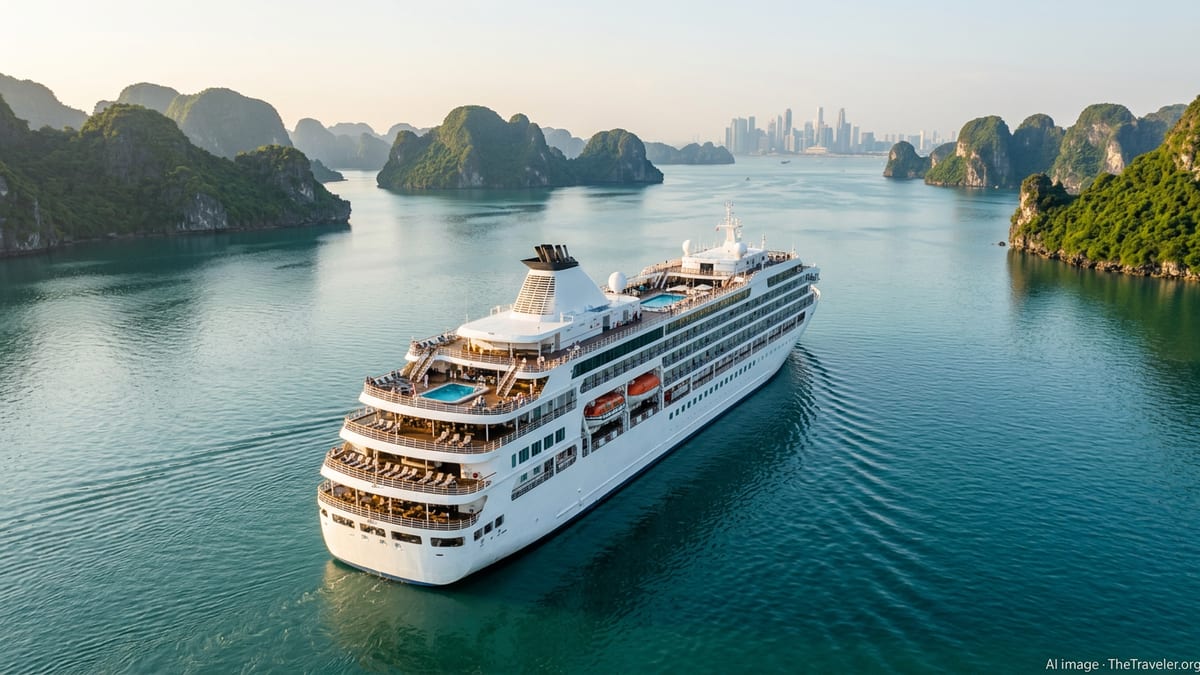
Residential “life at sea” cruise comes to a sudden stop
The MV Odyssey, operated by Florida based Villa Vie Residences, had been marketed as a three year, around the world journey where travelers could purchase cabins as permanent or long term homes. Public information about the program shows that suites were offered from about $230,000 for lifetime use, with ongoing monthly fees for operations and fuel.
The ship departed in 2024 on an itinerary that aimed to visit all seven continents over three years. It has a capacity of around 650 passengers, though recent reports indicate that about 203 residents, mostly from the United States, were living on board when the program was suspended in late October 2026 as the vessel reached Southeast Asia.
The Odyssey is now docked in the deep water port of Sihanoukville on Cambodia’s Gulf of Thailand coast. Cambodian authorities have reported that 156 crew members also remain associated with the vessel as the company works through next steps for the ship and its staff.
What was sold as a stable, long term lifestyle at sea has instead ended abruptly for many residents who had given up homes and belongings on land to join the project.
Fuel prices in Asia surge amid war related disruption
Villa Vie Residences has cited soaring fuel prices in parts of Asia as the primary reason it could not continue operating the world cruise. Publicly available company statements and coverage from outlets including The Associated Press and NPR indicate that monthly fuel expenses per cabin, which historically averaged about $1,800, climbed to an estimated $6,000 to $8,000 during recent months in the region.
The spike has been linked in coverage to the war in Iran and its impact on petroleum supply routes. Traffic through the Strait of Hormuz, a key chokepoint for oil and fuel shipments, has been heavily disrupted, limiting supplies of marine gasoil and other fuels across parts of Asia and driving prices sharply higher.
Industry data quoted in U.S. media reports show that broader fuel markets have also been affected, with retail diesel prices in the United States rising several dollars per gallon since hostilities expanded in late February 2026. For a ship the size of the Odyssey, which the company has said can consume 700 to 800 tons of fuel per month, the jump in price translated into operating costs that Villa Vie Residences said it could no longer absorb.
The operator has stated that it attempted to reduce consumption by slowing the itinerary and lengthening port stays, but those measures did not offset the increase in fuel bills. Passing the full rise in costs on to residents through higher monthly fees was described in public statements as unrealistic for many passengers.
Hundreds stranded as cruise ends early in Cambodia
The decision to end the voyage in Cambodia has left residents effectively stranded in Sihanoukville, a growing port city better known as a gateway to Gulf of Thailand beaches than as a turnaround port for long distance cruises. Reports from major news outlets describe passengers receiving only hours of notice on October 28 and 29 that they would need to disembark and make their own arrangements ashore.
Passengers had been expecting the three year program to continue into 2027 and beyond. Some had sold homes or ended leases in North America and Europe in order to fund cabin purchases and monthly fees, leaving them with limited housing options on land. Coverage in U.S. and international media notes that many residents are now scrambling to secure flights, temporary housing, and storage or shipment for belongings that had been kept in their cabins.
Cambodian officials have said publicly that immigration authorities are coordinating with the ship and passengers to ensure that disembarkation and entry formalities are handled properly. However, travelers report that they have had to manage most logistics and expenses themselves, including hotels, onward travel and in some cases the cost of transporting pets and larger items that were allowed on board for the long term voyage.
With no clear timeline for any potential restructuring of the company or sale of the ship, the Odyssey is expected to remain alongside in Sihanoukville while legal and financial issues are addressed.
Financial strain and possible bankruptcy for Villa Vie
In separate reporting, CBS News has noted that Villa Vie Residences’ chief executive described fuel cost escalation as financially “backbreaking” and indicated that the company intends to seek Chapter 11 bankruptcy protection in the United States. Public statements from the company say it has been unable to keep up with monthly expenses that reportedly rose from around $400,000 to about $2 million as fuel bills climbed.
The residential cruise concept depends on a relatively predictable mix of fixed capital costs and variable operating expenses. Fuel is usually one of the largest of those variable costs. When prices quadruple in a short period, especially on longer ocean passages in regions where fuel supply is tight, it can undermine business models that were based on more stable energy markets.
Media coverage and former passenger accounts suggest that Villa Vie had already been under strain before the most recent price shock, with itinerary changes, reduced services and repeated calls for additional resident contributions. The sudden rise in fuel prices appears to have accelerated existing difficulties, leaving the company short of cash while it sought outside investors.
As of October 30, 2026, no detailed public restructuring plan has been announced. Travelers holding long term contracts or cabin purchase agreements are waiting to see how any court supervised process will treat their investments and what priority, if any, they might have among creditors.
Implications for long term cruising and travel planning
The situation aboard the MV Odyssey is being closely watched across the cruise and travel sectors, particularly by companies that have promoted extended or residential style voyages. While the concept of “life at sea” has grown in visibility over the past decade, the events in Cambodia highlight the risk that long term, prepaid travel products face when energy markets or geopolitics shift dramatically.
Analysts note that most conventional cruises are sold as discrete itineraries of one to several weeks, where fuel surcharges and itinerary changes can be adjusted more flexibly in response to cost movements. By contrast, multi year residential programs often lock in pricing structures that leave operators with fewer options if their core assumptions about fuel or financing change.
For travelers, the collapse of the Odyssey’s voyage is a reminder to scrutinize the financial stability of smaller or newer operators, review cancellation and insolvency protections, and consider how easily they could return to land based housing if a long term cruise or tour is cut short. Travel insurance products do not always cover the failure of a supplier, and consumer protections can vary significantly depending on the jurisdiction where a cruise is registered and where payments are made.
Tourism authorities and port cities in Asia will also be watching how quickly stranded passengers are able to depart and how the episode affects perceptions of the region as a destination for extended cruising at a time when regional fuel markets remain volatile.