


More news on this day
The United States has updated its travel warning for Haiti, underscoring that the Caribbean nation remains off-limits for most travelers as severe earthquake damage compounds chronic violent crime and a breakdown in basic services.
Get the latest news straight to your inbox!
Advisory keeps Haiti at highest risk level
According to publicly available information from the US Department of State, Haiti remains under a Level 4 “Do Not Travel” advisory, the strictest warning in the agency’s four-tier system. The latest update reiterates that US citizens should avoid all travel, as officials have limited ability to provide emergency assistance in much of the country.
The revised language highlights an overlapping set of risks: entrenched gang violence, frequent kidnappings, and the impact of recent seismic activity on already fragile infrastructure. Publicly available travel guidance notes that widespread crime and unrest can severely disrupt transport, shut down key roads, and cut off access to hospitals and airports.
Recent analyses of State Department advisories show that Level 4 alerts are generally reserved for locations where crime, unrest or terrorism are severe and where the local security and medical systems are unable to cope with large-scale emergencies. In Haiti’s case, the advisory places particular emphasis on violent crime and the potential for rapid deterioration in security conditions.
Earthquake damage deepens humanitarian and safety concerns
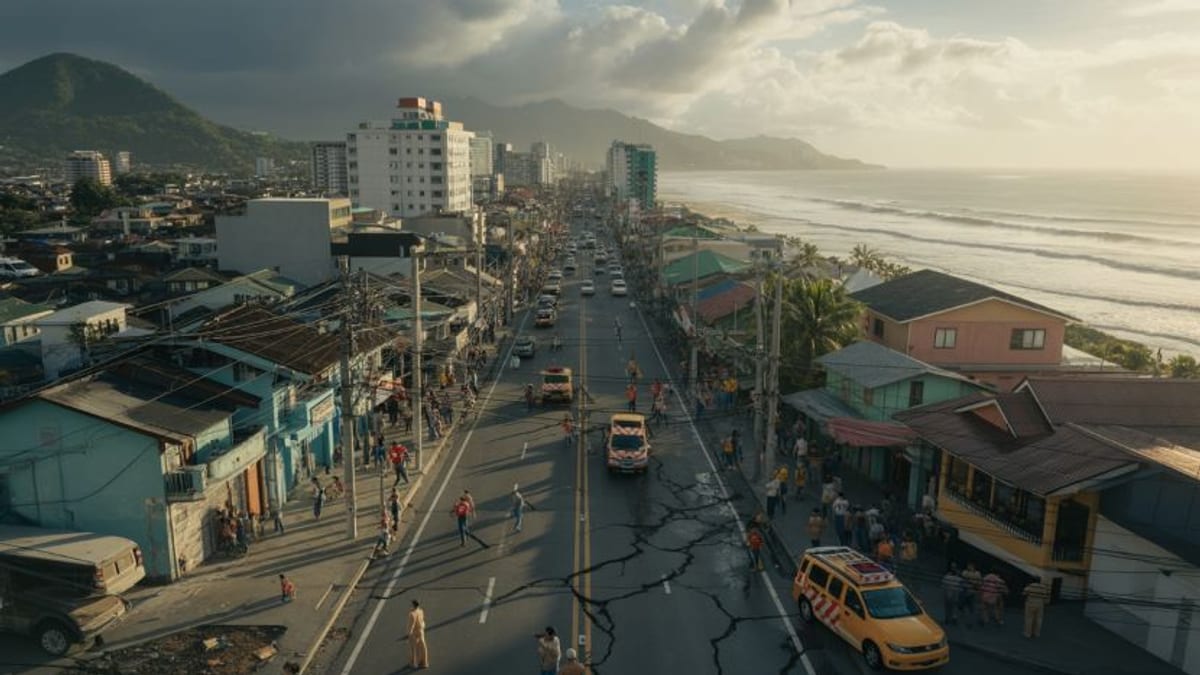
Updated guidance for Haiti points to the lingering effects of strong earthquakes and aftershocks in recent years, which have damaged homes, roads, ports and health facilities in parts of the country. Humanitarian assessments indicate that some communities in affected regions continue to struggle with unstable buildings, blocked roads and disrupted water and power supplies.
Health agencies and humanitarian organizations describe a system under acute strain, with clinics and hospitals in some areas operating with limited staff, equipment and electricity. In seismic zones, landslides and damaged bridges can delay ambulances and impede relief operations, lengthening response times in medical emergencies.
Publicly available travel health information further notes that heavy rains, flooding and storm surges can interact with earthquake damage to increase the risk of building collapses, road washouts and contamination of water systems. Travelers entering or transiting near these zones would face a higher likelihood of being cut off from basic services if additional shocks or severe weather occur.
Violent crime and kidnappings remain central to US warning
Beyond disaster impacts, the renewed US warning underscores that violent crime remains pervasive in many parts of Haiti. Reports from international monitoring groups and local media point to frequent shootings, carjackings, home invasions and armed robberies, often carried out by heavily armed gangs that exert de facto control over key neighborhoods and highways.
US travel guidance singles out kidnapping for ransom as a particular danger, noting a pattern of abductions affecting local residents, business people, aid workers and foreign nationals. Analyses of recent incidents indicate that kidnappings can occur in daylight, on public roads and near commercial districts, making the risk difficult to avoid through routine precautions.
Public security assessments also describe limited police capacity in many areas, with law enforcement sometimes outgunned or unable to reach certain districts at all. This dynamic, combined with blocked roads and ad hoc checkpoints, increases the likelihood that criminal groups can operate with impunity and that victims may have little access to timely help.
Disrupted infrastructure complicates evacuation and medical care
The updated advisory stresses that disaster damage and chronic insecurity have eroded Haiti’s transport and health infrastructure, complicating evacuation and medical support for visitors. Travel risk briefings highlight that roads connecting airports, ports and major cities can be intermittently blocked by debris, flooding or armed groups, making it difficult to move safely across the country.
In the event of another large earthquake or severe storm, aviation and port operations could be curtailed at short notice. Analysts note that, in previous crises, fuel shortages, damaged runways and security incidents around key facilities have slowed airlifts and constrained commercial flight options.
Health-focused travel advisories further warn that emergency and trauma care may be limited or unavailable in some regions, especially where hospitals have been damaged, looted or forced to reduce services for security reasons. For foreign visitors without strong local support networks, this combination of factors heightens the risk that a medical emergency could quickly become life threatening.
US travelers urged to reconsider all but essential movements
While the Level 4 warning formally advises against any travel to Haiti, specialists in crisis travel planning note that some US citizens may still consider trips for family, humanitarian or business reasons. Current public guidance strongly encourages those individuals to weigh the possibility of being stranded without consular support, medical care or secure transport.
Security analysts recommend that anyone contemplating essential travel to high-risk environments conduct detailed contingency planning, including strategies for sheltering in place, securing reliable communications and arranging professional security and medical evacuation support. For most leisure travelers and casual visitors, however, the prevailing view within the travel risk industry is that alternative destinations should be sought until Haiti’s security and disaster-related conditions stabilize.
The continued Level 4 status and the sharpened focus on disaster risks and violent crime place Haiti among the most challenging destinations worldwide for US travelers. The update signals that, for now, the intersection of seismic vulnerability, fragile infrastructure and entrenched violence leaves little margin for safe, routine tourism.