


More news on this day
The United States has renewed warnings for Americans planning trips to Israel, maintaining a Level 3 “Reconsider Travel” advisory as terrorism concerns, regional conflict and shifting movement restrictions continue to affect one of the world’s most visited religious and cultural destinations.
Get the latest news straight to your inbox!
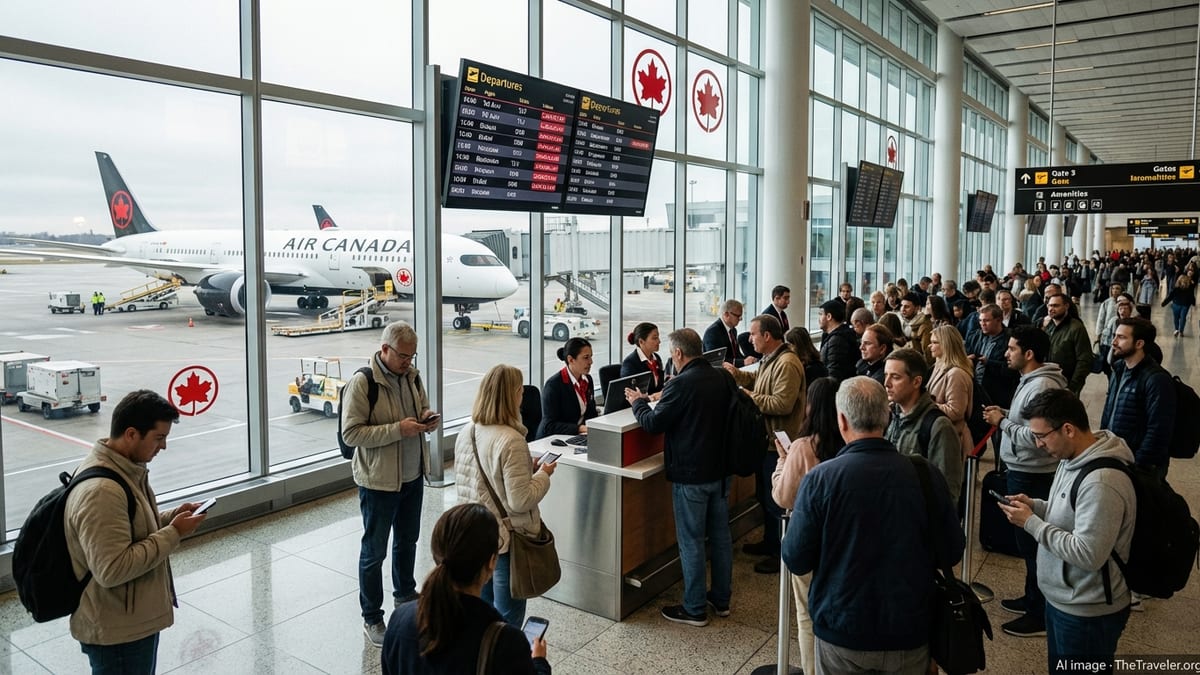
Advisory Reissued as Terrorism and Unrest Persist
The latest update from the U.S. Department of State keeps Israel at Level 3 on its four-tier scale, advising travelers to reconsider plans due to terrorism and unrest. The change, reissued on August 26, 2026, does not alter the overall risk level but refines language around who can travel and where, signaling that the threat environment remains serious even as some constraints on official personnel are adjusted.
Publicly available information shows that the advisory highlights a continued risk of terrorist violence, including potential attacks targeting locations frequented by foreigners. These include tourist sites, transportation hubs, markets, religious venues and other crowded public spaces. The Department’s own guidance notes that terrorist incidents can occur with little or no warning and that destinations popular with visitors may be deliberately chosen.
The Israel notice forms part of a broader global system of advisories that uses standardized risk indicators, such as terrorism and unrest, to explain why Washington places a destination at a specific level. Under this framework, “Reconsider Travel” is reserved for countries or territories where credible threats or instability pose severe safety and security challenges for visitors.
Area-Specific Warnings for Border Regions and Gaza
While Israel overall remains at Level 3, the advisory singles out several areas where the U.S. government says the risks are significantly higher. According to the published summary, travelers are urged not to visit zones close to active conflict, including territory near the borders with Gaza, Lebanon and Egypt. These locations are described as facing elevated danger from rocket fire, cross-border attacks and military operations.
Guidance compiled from official sources also points to long-standing “Do Not Travel” advice for areas within several miles of the Gaza Strip and sections of the northern frontier. Airstrikes, artillery exchanges and other hostilities have periodically disrupted life in these regions, sometimes forcing brief closures of roads, border crossings or nearby facilities. For travelers, that can translate into sudden route changes, canceled excursions or the need to seek shelter.
In parallel, separate U.S. notices address the neighboring West Bank, which is also categorized at Level 3 due to terrorism and unrest. Recent updates outline restrictions on the movements of U.S. government employees in and around key West Bank cities, underscoring official concern about sporadic violence, checkpoint closures and unpredictable security conditions on the ground.
Implications for Flights, Itineraries and Travel Planning
For prospective visitors, the advisory does not amount to an outright ban on travel, but it does signal that Americans should carefully evaluate whether a trip is essential and how to manage the risks. Reports indicate that periods of heightened tension have at times led airlines to pause or limit operations to Tel Aviv’s Ben Gurion International Airport, creating knock-on effects for connections across the region.
Travelers are advised in publicly accessible guidance to monitor airline notifications closely, as schedule changes can occur with minimal notice. Some carriers have previously rerouted flights, extended layovers or temporarily suspended routes when rockets, drone activity or other incidents have affected Israeli airspace. Those disruptions can leave visitors facing unplanned overnight stays or the need to secure alternative transport at short notice.
Travel industry risk assessments note that on-the-ground logistics in Israel can also shift quickly. Security alerts, local demonstrations or military activity may affect movement in and around cities such as Jerusalem, Haifa or Beersheba, even if tourist attractions remain open. Tour organizers and group leaders have in the past postponed or reshaped itineraries in response to updated guidance, often shortening time in sensitive areas or building in contingency days.
How the US Travel Advisory System Assesses Terrorism Risk
The Israel notice is part of a wider set of security communications that apply consistent terminology across destinations. Under State Department criteria, terrorism as a risk indicator is used when attacks have occurred or when specific, credible threats against civilians or key sites may exist. Public documents on the system explain that these advisories are designed to distill complex threat information into clear advice for the general public.
Country assessments can be revised when conditions change, including after major incidents, shifts in conflict dynamics or new intelligence about planned attacks. Updates may involve raising or lowering a country’s level, or, as in Israel’s case in late August, revising the text to reflect changes affecting U.S. government personnel and their families while keeping the same overall classification.
Security experts note that Level 3 advisories are not unique to the Middle East and are used for a range of destinations worldwide where terrorism, crime or unrest reach a threshold that significantly complicates safe travel. For travelers, the rating is intended to encourage extra planning, heightened situational awareness and a willingness to alter plans quickly if the security picture deteriorates.
What US Travelers Should Consider Before Booking Israel Trips
Current public guidance encourages Americans who still choose to travel to Israel to adopt a more conservative approach to planning. That can include booking flexible airfares and accommodation, registering travel plans with appropriate consular services and checking that health and evacuation insurance explicitly covers destinations under a “Reconsider Travel” advisory. These steps are intended to make it easier to adjust or cut short a trip if conditions worsen.
Travelers are also urged in open-source advisories to follow local media and trusted international outlets for real-time updates on security developments, particularly in border areas and flashpoint cities. Simple precautions such as identifying the nearest shelter locations, avoiding large gatherings and allowing extra time for security checks at transport hubs can help mitigate some day-to-day risks.
For many visitors, Israel’s religious, historical and cultural appeal remains a powerful draw. The continued Level 3 designation, however, highlights that the current environment demands a higher tolerance for uncertainty and a greater focus on safety planning than in many other popular destinations. Prospective travelers are being asked to weigh that reality carefully when deciding whether now is the right time to go.
U.S. Department of State Travel Advisories
Relief News Updates summary of Israel advisory