


More news on this day
The United Kingdom has renewed and reinforced its travel warning for Kenya after fresh industrial action by aviation workers triggered severe disruption at major airports, including Nairobi’s Jomo Kenyatta International Airport, prompting new guidance for British travelers transiting one of East Africa’s busiest hubs.
Get the latest news straight to your inbox!
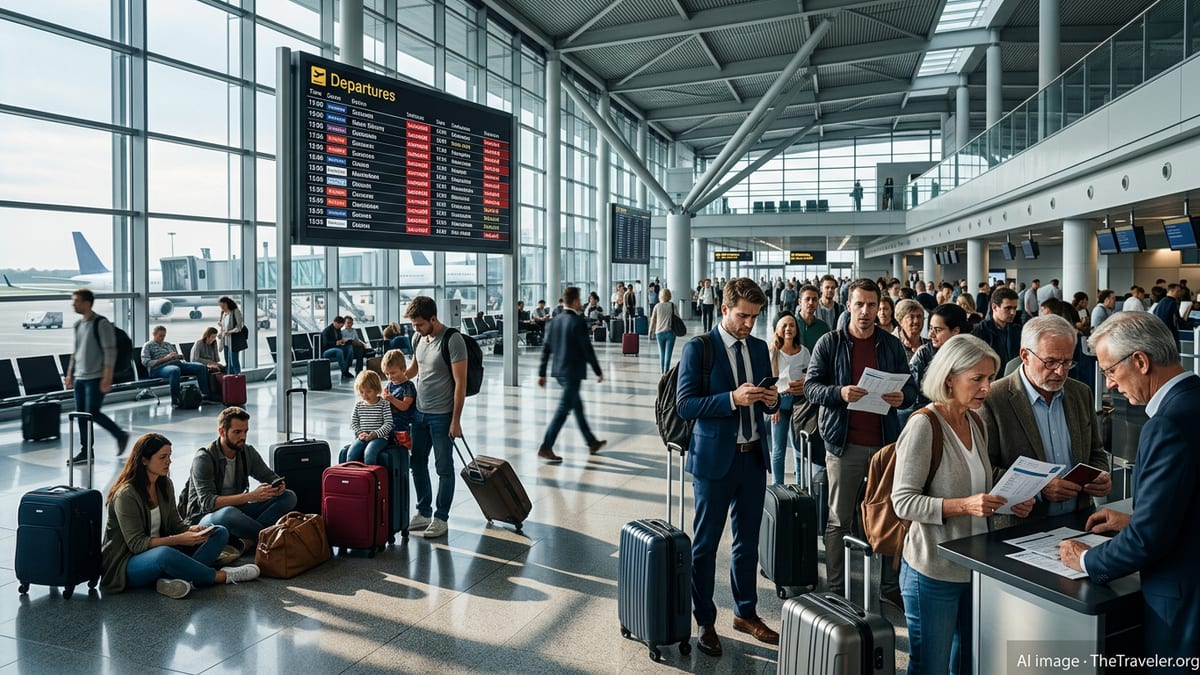
Fresh Update to UK Travel Advice for Kenya
Publicly available guidance from the UK Foreign, Commonwealth & Development Office (FCDO) shows that its Kenya travel advice was updated on 31 August 2026, highlighting “significant flight delays and disruption” at a number of airports in the country. The notice appears under the Warnings and Insurance section of the Kenya travel advice, alongside existing security-related cautions for specific regions.
The updated advisory notes that ongoing industrial action by aviation workers is affecting airport operations and singles out Jomo Kenyatta International Airport (JKIA) in Nairobi, Kenya’s main international gateway, among the facilities experiencing disruption. Travelers are advised to check the status of flights with their airlines before setting out for the airport, reflecting the scale and unpredictability of the delays now being reported.
The revision marks a renewed focus on aviation-related disruption in the FCDO’s Kenya guidance. Earlier in 2026, short-lived advice about strike-related travel disruption at JKIA was added and then removed once conditions stabilized. The latest update restores aviation disruption to the forefront of the UK’s official travel messaging on Kenya as industrial tensions resurface at the height of the travel season.
Aviation Workers’ Strike Disrupts JKIA and Other Airports
Local media coverage indicates that the current disruption stems from a coordinated industrial action by aviation workers affecting services at JKIA and other Kenyan airports. Reports from Nairobi describe long queues, extensive delays and knock-on cancellations as staff affiliated with aviation unions reduce or halt operations in a dispute over working conditions and management decisions.
Coverage from Kenyan outlets links the strike to employees at agencies including the Kenya Civil Aviation Authority and Kenya Airports Authority, as well as staff at carriers serving JKIA. The industrial action is reported to have begun on Sunday 30 August 2026 and to have intensified into Monday, affecting both domestic and international departures as air traffic control and ground operations struggle to maintain normal schedules.
Public statements published by Kenya Airways and the Kenya Airports Authority point to a growing backlog of flights, with some passengers facing delays of more than six hours. Travelers have been urged in those notices to avoid going to the airport until flights are confirmed as operating, underscoring the possibility of last‑minute schedule changes as the situation evolves.
Impact on British Travellers and Insurance Cover
The renewed UK travel warning is particularly significant for British tourists and business travelers who rely on Nairobi as a regional connection point. JKIA functions as a primary hub for East and Central Africa, and extensive disruption there can quickly cascade across connecting routes to safari destinations, Indian Ocean beaches and onward regional flights.
According to analysis published by specialist travel and risk outlets, the explicit reference to ongoing industrial action and “significant flight delays and disruption” in the FCDO advice may have implications for travel insurance coverage. Many UK insurance policies contain clauses related to travel against official advice, and the updated wording could influence how claims are assessed for costs such as missed connections, additional accommodation or alternative routing.
Travel risk commentators note that while the overall FCDO risk level for Kenya remains unchanged, the renewed focus on aviation disruption signals that UK-based travelers should treat schedule reliability as a key concern in the short term. Those passing through JKIA or using internal Kenyan flights are being encouraged in public guidance to build in longer connection times, monitor airline alerts closely and have contingency plans for overnight stays if delays stretch further.
Broader Security and Travel Context in Kenya
The aviation strikes come against a backdrop of broader, long-standing cautions in international travel advice for Kenya. The FCDO continues to advise against all travel or all but essential travel to certain areas, particularly near the border with Somalia and parts of the northern and coastal regions, due to risks that include terrorism, crime and instability. These security considerations predate the current wave of industrial action but remain central to UK assessments of travel risk in the country.
The United States also maintains a Level 2 “Exercise increased caution” advisory for Kenya, citing terrorism, crime, unrest and health concerns in its July 2026 update. While the U.S. advisory does not specifically focus on the latest aviation strike, it highlights a pattern in which protests, strikes and other disruptions are described as relatively common, contributing to the overall travel risk landscape.
Together, the security and operational advisories mean that travelers are navigating a layered risk environment: localized security concerns in specific counties and border zones, national-level industrial disputes affecting air travel, and the residual impact of previous protests and health-related controls. For many visitors, reliable up‑to‑date information from airlines and official travel advice pages has become as critical as traditional safety guidance.
What Travellers Are Being Advised to Do Now
Publicly available information from UK and Kenyan sources converges on several practical steps for travelers currently in Kenya or planning imminent trips. The FCDO guidance emphasizes checking with airlines before traveling to airports, as schedules may change at short notice while negotiations with aviation workers continue. Kenyan aviation authorities have echoed this, advising passengers to liaise directly with their carriers and to verify departure times before heading to JKIA or regional airports.
Kenya Airways’ recent customer updates recommend that passengers keep contact details current in booking systems and use digital tools such as mobile apps to receive real‑time notifications. Similar advice is being circulated by airport operators, which are working to manage crowds and prioritize flights where possible while industrial action persists.
Travel risk analysts suggest that would‑be visitors re‑examine their itineraries in light of the renewed UK warning, especially if tight connections or same‑day onward travel are involved. Where feasible, passengers are encouraged to allow extra time between inbound and outbound flights, consider flexible or refundable tickets, and keep records of expenses that may later be relevant for insurance discussions if their plans are disrupted by the strikes.
For now, the evolution of the dispute between aviation workers and their employers, and any further updates on the FCDO’s Kenya page, will be central indicators for British travelers assessing whether to proceed with, postpone or reroute their journeys through Kenya’s main air gateways.
UK Foreign, Commonwealth & Development Office – Kenya travel advice
U.S. Department of State – Kenya Travel Advisory
Kenya Airways – customer update on delays at JKIA
Citizen Digital – KAA advisory amid aviation workers’ strike