


More news on this day
A widely shared video from Kitchener, Ontario, showing people standing on or near the tracks and forcing a train to brake suddenly, is drawing fresh attention to the risks of trespassing in active rail corridors and the challenges of keeping mixed-use urban streets safe for all users.
Get the latest news straight to your inbox!
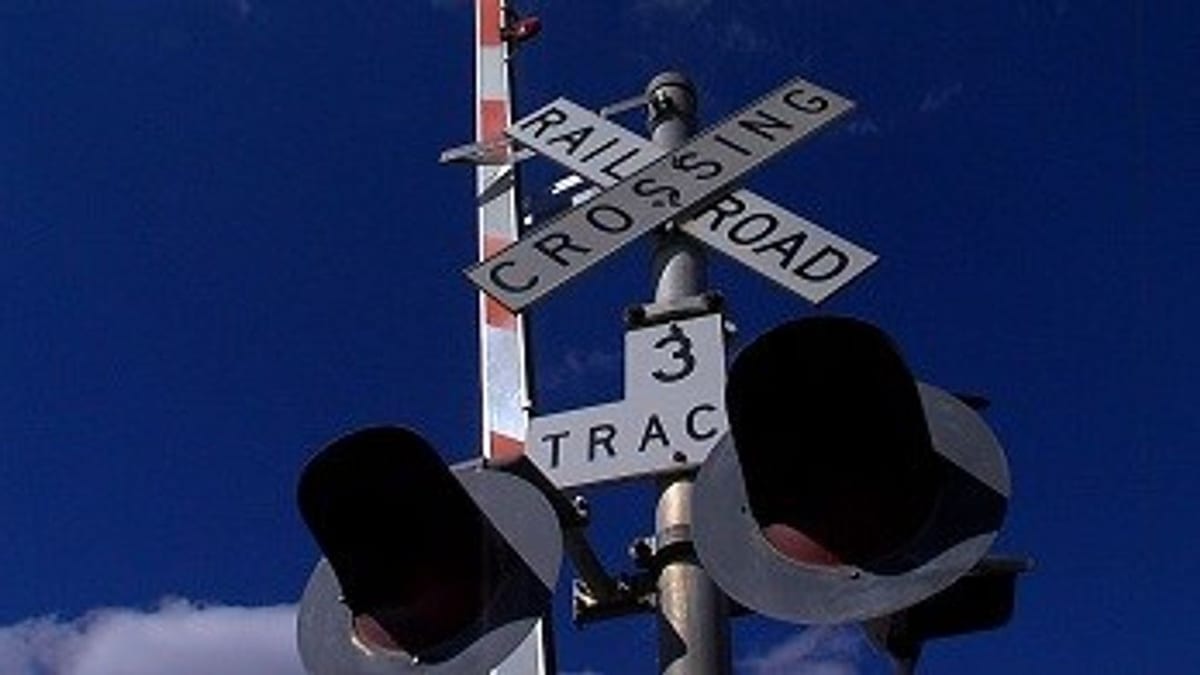
Viral clip captures tense moments on Kitchener tracks
The short video, circulated on social media in recent days, appears to show a train approaching through central Kitchener as several people remain on or extremely close to the tracks. The train can be seen slowing sharply, with the movement suggesting a heavy brake application to avoid a collision.
Reports indicate the incident took place along a section of track that runs through a busy urban corridor used by pedestrians, cyclists and nearby traffic. In the clip, bystanders can be seen watching as the train closes in, underscoring how quickly a routine movement can turn into a near miss when people encroach on the rail right of way.
While no injuries have been reported in connection with the episode, the abrupt braking and proximity of people to the moving train have generated widespread concern in the region and prompted renewed calls for extra caution around tracks.
Rail safety concerns in a growing urban corridor
The Kitchener area has seen rising rail traffic in recent years, with a combination of regional passenger services, freight operations and light rail lines sharing space with a rapidly densifying cityscape. Publicly available information shows that planners have tried to balance efficient train operations with walkable, transit-oriented development near stations and along key streets.
As more people live, work and socialize close to the tracks, the potential for risky behavior, including short-cutting across rails or lingering in prohibited zones, has also increased. Safety campaigns from rail operators and local agencies typically emphasize that trains cannot stop quickly and that modern services may be quieter or faster than many people expect.
Transport safety analyses note that even when trains are travelling at moderate speeds, stopping distances remain long because of weight and momentum. An emergency brake application is considered a last resort, as it can cause discomfort to passengers and place extra stress on equipment, but it may be necessary when people or vehicles are spotted in the path of an oncoming train.
How emergency braking works on modern trains
Technical guidance on rail operations explains that train braking systems are designed with several levels of response, from normal service braking used in everyday station stops to high-force emergency settings reserved for urgent situations. When a train goes into emergency, braking power is maximized in an effort to reduce speed as quickly as possible, often automatically cutting traction power at the same time.
In passenger service, operators are trained to scan tracks ahead and react immediately to any obstruction. If people are seen on the rails and do not move clear in time, the safest option may be to trigger emergency braking, even though the distance required to stop may still be longer than many bystanders realize.
Rail safety bodies in North America have documented that sudden emergency stops can contribute to wear on wheels and track infrastructure, and in extreme cases may increase the risk of equipment damage. These potential consequences reinforce why railways typically stress prevention and public education to keep people off the tracks, rather than relying on last-second braking to avert incidents.
Trespassing risks and public awareness
Incidents in which people stand, walk or linger on active tracks are a recurring concern for rail networks worldwide. Published coverage from various jurisdictions has highlighted cases where pedestrians, social media users filming near trains and motorists attempting to shortcut across tracks have narrowly avoided serious harm.
Safety campaigns generally focus on a simple message: tracks are for trains only, regardless of whether they run through residential neighborhoods, beside roads or across open countryside. Even when trains appear to be moving slowly, they can be much closer than they seem, and curves, buildings or trees may hide an approaching service until the last moments.
The Kitchener video taps into that broader pattern, showing how quickly everyday behavior can create a dangerous scenario. Viewers commenting online have pointed to the apparent casual attitude of those near the tracks, reflecting concern that familiarity with frequent trains may be breeding complacency among some regular users of the corridor.
Calls for better behavior and safer design
In the wake of the latest Kitchener footage, discussion has turned to what more can be done to keep people away from tracks in busy city centers. Some residents posting online have suggested clearer signage, physical barriers or additional fencing in locations where people frequently cross or loiter near rails.
Others argue that infrastructure alone cannot solve the problem and that ongoing public education is needed, particularly for younger residents and new arrivals who may be less familiar with rail operations. School-based outreach, local campaigns and reminders on transit vehicles are among the measures often promoted by safety advocates.
Urban planners and transportation specialists frequently emphasize that as rail services expand, safety must be considered alongside speed and capacity. The Kitchener incident, though not resulting in injury, reinforces how a few seconds of risky behavior on or near the tracks can force a train into a hard stop and create a potentially catastrophic situation.