


The Virgin Atlantic Reward+ Credit Card is often pitched as a fast track to Upper Class flights and premium cabin upgrades. With an annual fee of £160 and a chunky advertised welcome bonus, it is clearly designed for travellers who either fly Virgin Atlantic regularly or are willing to route trips through the airline to maximise value. But in 2026, with fierce competition from Avios and other airline cards, when does Reward+ genuinely justify its cost, and when are you better off with the free Virgin Atlantic Reward card or a completely different program?
Get the latest updates straight to your inbox!
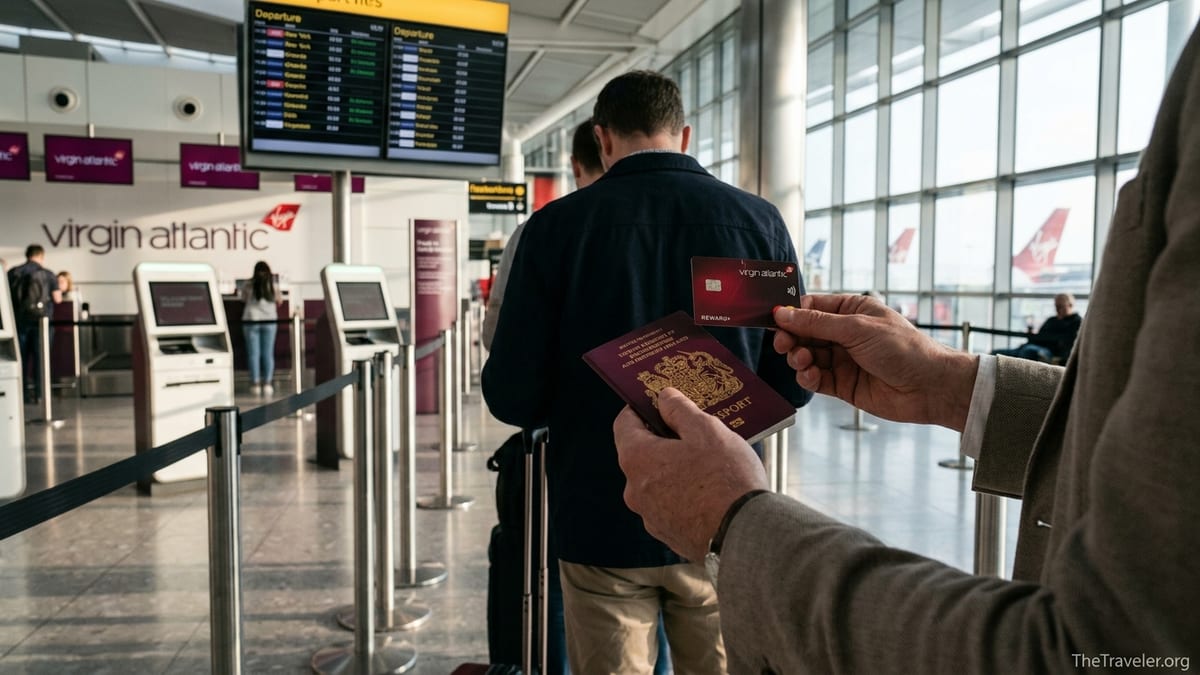
Key facts: What the Virgin Atlantic Reward+ Credit Card offers in 2026
The Virgin Atlantic Reward+ Credit Card is issued in the UK by Virgin Money (now part of Nationwide) on the Mastercard network, so it is widely accepted across the UK, Europe and most of the world. As of mid 2026, the card carries a £160 annual fee and a representative APR around 69.7% variable, driven largely by that fee rather than unusually high interest rates on purchases. In other words, this card is not designed for carrying a balance; it is aimed squarely at people who pay in full each month and care about Virgin Points.
On day to day spending, Reward+ earns 1.5 Virgin Points per £1 spent almost everywhere, and 3 Virgin Points per £1 on Virgin Atlantic and Virgin Holidays purchases. For a frequent flyer who spends heavily on travel, that 3x multiplier on flights and packages is one of the core selling points, especially on big-ticket trips such as family holidays to Orlando or business-class tickets to New York.
New cardholders can typically earn up to 18,000 bonus Virgin Points after making their first purchase within 90 days of opening the account. The exact structure of the welcome bonus can change over time, but in 2026 public details broadly indicate a “one purchase in 90 days” requirement rather than a high minimum spend. Occasionally, boosted referral offers have stacked on top of this, with some recent promotions advertising total potential haul figures above 40,000 points when referred by a friend, though these are limited-time deals and not guaranteed to be available when you apply.
The flagship long-term perk is the annual reward voucher. If you spend £10,000 on the card in a card year, you receive a voucher that can be used either as an upgrade or as a companion-style benefit, depending on your Flying Club status and how you choose to redeem it. Understanding that voucher, and how easy it is to generate £10,000 of spend in your own life, is the key to judging whether Reward+ justifies its annual fee.
How the points and vouchers work in real life
Virgin Points earned on Reward+ post monthly to your Flying Club account and can be used for reward flights, cabin upgrades, part-payment on cash tickets, and a range of partner redemptions. Many points enthusiasts value Virgin Points at roughly 0.8 to 1 pence each when used smartly. In practice, that means 10,000 points could be worth about £80 to £100 towards a well-chosen redemption, such as an off-peak Premium cabin ticket to New York or a partner flight on Delta within the United States.
The annual reward voucher is where things get more interesting. If you trigger the voucher with £10,000 of card spend in a year, you can typically use it to either bring a companion on the same reward booking or to upgrade your own seat. Exactly what you can do depends on whether you are a Red, Silver or Gold Flying Club member. For example, a Red (entry-level) member might be limited to using the voucher in Economy or Premium, whereas Silver and Gold members can often use it in higher cabins or for more substantial upgrades, subject to points caps and availability.
Consider a concrete scenario. A London-based couple planning a trip to New York in Premium cabin might find off-peak reward seats from London Heathrow to New York JFK for roughly 27,500 to 35,000 points each way per person, plus taxes and fees. If one partner has earned a Reward+ voucher, they could book one ticket with points and use the voucher so their companion only pays the taxes and fees, effectively cutting the points cost for two passengers in half. If they value Virgin Points at 1 pence each, that voucher could easily deliver £300 or more in value on a single transatlantic trip.
Alternatively, a solo traveller who regularly books Economy might use the voucher to upgrade to Premium on a long-haul route like London to Los Angeles. In practice, this often means booking an Economy reward or cash ticket and then applying the voucher to step up a cabin, paying the points or cash difference where required. If that upgrade turns a cramped overnight flight into a significantly more comfortable experience with a better seat, dining and extra baggage, many frequent flyers would consider that alone worth more than £160 per year, especially if repeated annually.
Reward+ versus the free Virgin Atlantic Reward card
The obvious comparison for any prospective applicant is the free Virgin Atlantic Reward Credit Card. The free card has no annual fee but earns at a lower rate: around 0.75 Virgin Points per £1 on general spending and 1.5 points per £1 with Virgin Atlantic and Virgin Holidays, compared with 1.5 and 3 points respectively on Reward+. The free card also requires a higher spend threshold of £20,000 per year to earn the same style of reward voucher, double the £10,000 threshold on Reward+.
A simple example illustrates the difference. Imagine you spend £12,000 per year on a card, split roughly as £2,000 on Virgin Atlantic flights and holidays and £10,000 on everyday spending such as groceries, petrol and online shopping. With Reward+, you would earn 3 points per £1 on the £2,000 of Virgin spend (6,000 points) and 1.5 points per £1 on the £10,000 of general spend (15,000 points), for a total of 21,000 points. You would also hit the £10,000 annual spend needed for the reward voucher.
With the free Reward card, the same pattern of spending would earn 1.5 points per £1 on Virgin purchases (3,000 points) and 0.75 points per £1 on the remaining £10,000 (7,500 points), giving 10,500 points in total. You would not reach the £20,000 threshold for a voucher at all. In this realistic, middle-of-the-road scenario, Reward+ delivers roughly double the points plus a valuable voucher, in exchange for the £160 annual fee.
Now consider a lighter spender who only puts £6,000 per year on their credit card, mostly on day to day purchases, and flies Virgin Atlantic once every couple of years. On Reward+, they might earn about 9,000 points in a year (assuming most spend is at 1.5x) and never reach the £10,000 voucher threshold. On the free card, they might earn around 4,500 points with no annual cost. In that case, the incremental 4,500 points from Reward+ are unlikely to cover a £160 fee unless the welcome bonus is unusually generous or they have a specific near-term redemption in mind. For this profile, the free card, or even a different rewards card altogether, is typically better.
When the £160 annual fee makes sense for frequent flyers
The Reward+ card is most compelling for three types of travellers: those who fly Virgin Atlantic at least once a year, those who can comfortably route at least £10,000 of annual spending through a single card, and those who are disciplined about paying balances in full each month. If you fit all three categories, the card can quite easily pay for itself and more.
Take a UK-based consultant who travels to New York and Atlanta multiple times a year for work, often on tickets booked in Economy or Premium. If they book at least one or two Virgin-operated flights per year and put business expenses, reimbursed by their employer, on their Reward+ card, reaching £10,000 of annual spend might be trivial. They earn the voucher every year and use it either to upgrade themselves on a key overnight sector or to bring a companion on a leisure trip. Add to that the ongoing 3x points on flights and 1.5x on all their hotel stays, dining and transport, and they could easily generate tens of thousands of extra points each year compared with the free card.
Even a family traveller can make Reward+ work in their favour. Imagine parents who take their children to Orlando every other year on Virgin Atlantic, often in peak school holiday seasons where cash fares are high. Over the course of a year, they put council tax, groceries, petrol, streaming services and occasional big purchases like a new laptop onto the Reward+ card, totalling £15,000. They hit the voucher threshold, earn upwards of 22,500 points, then use the voucher to help secure Premium seats for the next trip when reward availability appears. The combination of the welcome bonus in the first year, the multiplier on flights and the annual voucher can meaningfully reduce the cost of long-haul family holidays, providing disproportionate value from a card fee that is roughly comparable to one night in a mid-range London hotel.
On the other hand, if you mainly fly with other airlines, already hold strong Avios-earning cards such as the British Airways American Express Premium Plus or Barclaycard Avios Plus, and only occasionally dip into Virgin Atlantic for niche routes, the incremental benefit of Reward+ may be more marginal. In that case, it is often better treated as a tactical card to pick up for a year when a strong welcome bonus is available, then potentially downgrade or cancel before the second annual fee hits if you have not built it into your long-term strategy.
Costs, fees and potential pitfalls to watch
While Virgin Atlantic Reward+ is primarily marketed on its rewards, it is important to recognise where costs can eat into those gains. First, the representative APR of approximately 69.7% variable is high when viewed in isolation. It reflects the impact of the £160 annual fee on a relatively modest example borrowing amount (usually £1,200). The underlying purchase interest rate itself is closer to typical mainstream credit cards. Still, anyone who carries a balance will find that interest and fees can quickly outweigh the value of points earned.
Foreign transaction fees are another drawback. As of 2026, Virgin Atlantic Reward+ generally charges around 2.99 percent on purchases made in foreign currencies, both within the European Union and further afield. For frequent international travellers who routinely spend on hotels, restaurants and local transport abroad, this fee can significantly blunt the value of the 1.5x earning rate. In practice, many savvy travellers pair Reward+ with a separate fee-free travel card for overseas spending, reserving the Virgin card for flight bookings and UK-based expenses.
Cash advances and balance transfers are rarely attractive on this product. Cash withdrawals at ATMs typically incur a fee around 5 percent plus immediate interest, and balance transfer fees sit around 3 percent of the transferred amount. Regular late payment fees may not be the highest on the market, but missing payments risks losing promotional interest rates, damaging your credit score and undermining the economic case for holding a premium rewards card.
Another subtle pitfall is availability of reward seats. Earning thousands of Virgin Points and a reward voucher is only half the story; you still need to find dates and routes where you can actually redeem them at a good rate. On popular routes such as London to Barbados over Christmas or London to New York during half-term, saver-level reward seats in Premium and Upper Class can be snapped up far in advance. Travellers who can plan early, remain flexible with dates or depart from regional airports like Manchester often get the best value from the card.
How Reward+ compares with other frequent flyer credit cards
In the UK market, the natural competitors to the Virgin Atlantic Reward+ Credit Card include the British Airways American Express Premium Plus, Barclaycard Avios Plus, and various flexible points cards that transfer to multiple airline partners. Each has its own combination of annual fee, earning rates and companion or upgrade vouchers, and the best choice hinges on which airline you actually fly most.
For example, the BA Amex Premium Plus card has a similar annual fee region, strong earning in Avios and a companion voucher that is valid on British Airways flights. Travellers who live near Heathrow or Gatwick and mostly fly BA to destinations such as New York, Dubai or Tenerife might find that card more naturally aligns with their travel patterns. Conversely, a Manchester-based traveller frequently flying to Orlando, Barbados or Atlanta may find Virgin Atlantic’s route network, often through Manchester and Heathrow, more convenient and therefore see more value in Virgin Points and the Reward+ voucher.
Barclaycard Avios Plus, issued on the Mastercard network, provides a useful foil to Reward+, because both are widely accepted where Amex is not. Some travellers use Barclaycard Avios Plus for BA-related spending and the Virgin Atlantic Reward+ for Virgin flights, ensuring that wherever they fly, they are earning a robust mileage return. However, holding multiple fee-paying airline cards can quickly become expensive if you are not consistently leveraging the companion or upgrade vouchers on each.
Flexible rewards cards from banks such as American Express and certain UK high street banks can also complement or substitute Reward+. For instance, American Express Membership Rewards points can be transferred to Virgin Atlantic in some markets when transfer bonuses are offered, allowing you to top up your Virgin balance at favourable rates. In practice, many points collectors will concentrate daily spending on a flexible card and then use Reward+ primarily for Virgin-specific purchases and to hit the £10,000 voucher threshold.
Practical tips to squeeze maximum value from Reward+
To make the annual fee worthwhile, you need a simple yet disciplined plan. First, map out your expected annual card spend. Include obvious expenses such as groceries and fuel but also less frequent bills: annual insurance premiums, subscription renewals, home improvement purchases and big-ticket electronics. If you can realistically channel £10,000 through Reward+ without overspending, you are in the right ballpark to unlock the voucher each year.
Second, time your application around major travel bookings. If you know you are about to buy a multi-thousand-pound family holiday through Virgin Holidays or book Premium or Upper Class flights to the Caribbean, applying just before you pay for those trips allows you to collect a large chunk of points at the 3x rate. Combined with a welcome bonus that posts after your first purchase, you might accumulate enough points for a one-way reward upgrade or a short-haul Delta redemption in North America much sooner than expected.
Third, stay organised with reward availability. Use Virgin Atlantic’s reward seat calendars to monitor when saver-level seats appear on your preferred routes. Many experienced cardholders will set a rough calendar reminder 11 to 12 months before a planned trip, check multiple departure airports and remain flexible on return dates. When the right seats appear, they are ready to pounce, voucher in hand, before availability disappears.
Finally, reassess the card each year before the fee posts. Ask yourself whether you earned and used a voucher in the past 12 months, approximately how much value you received from that voucher and from the points, and whether your travel plans for the coming year justify another £160. If your circumstances have changed and you now fly less or spread spending across many cards, you may wish to downgrade to the free Virgin Atlantic Reward card or pivot to a more general cashback or supermarket rewards card.
The Takeaway
The Virgin Atlantic Reward+ Credit Card is a focused tool, not a one-size-fits-all product. For frequent or even semi-regular Virgin Atlantic flyers who can confidently put at least £10,000 per year of genuine, budgeted spending through one card, it can deliver considerable value. The combination of a solid welcome bonus, 3x points on Virgin purchases, 1.5x on everyday spend and a powerful annual voucher can, in the right hands, offset the £160 annual fee several times over.
However, the card’s strengths are tightly linked to the Virgin ecosystem. If you rarely fly the airline, struggle to reach the voucher threshold, or expect to carry a balance and incur interest, the same features that delight loyalists will not rescue the economics for you. In those cases, the free Virgin Atlantic Reward card, a rival Avios card or a flexible rewards product may be more sensible.
For travellers who see Virgin’s routes, lounges and cabins as central to their flying life, Reward+ deserves serious consideration as a long-term companion. For everyone else, it is best treated as a specialist card to be used tactically, with eyes wide open about the costs, the effort required and the realistic value you can extract from Virgin Points and vouchers each year.
FAQ
Q1. Is the Virgin Atlantic Reward+ Credit Card worth it if I only fly once a year?
It can be, but only if that annual trip is on Virgin Atlantic and you can still comfortably reach around £10,000 in yearly card spend. In that case you could earn the reward voucher and use it to upgrade your single big trip or bring a companion on a reward booking, potentially saving several hundred pounds in value. If you fly less often or on other airlines, the free Virgin Atlantic Reward card or a general rewards card is usually a better fit.
Q2. How hard is it to hit the £10,000 spend needed for the annual reward voucher?
For many households, £10,000 a year in card spend is achievable once you add up groceries, fuel, insurance, online shopping, streaming services and occasional big purchases. It works out to roughly £830 per month. The key is not to overspend just to reach the target. If your normal, budgeted spending already approaches that level, moving as much of it as possible onto Reward+ can make earning the voucher quite realistic.
Q3. What is the difference between the Reward+ voucher and the one from the free Virgin Atlantic Reward card?
Both cards offer a broadly similar style of reward voucher that can be used for a companion or upgrade, but the spend thresholds are different. Reward+ requires £10,000 of annual card spend to trigger the voucher, while the free Reward card usually requires £20,000. In practice, that means many cardholders find it far easier to earn a voucher consistently with Reward+, which is a major reason some travellers are willing to pay the £160 annual fee.
Q4. Can I use the Reward+ voucher in Upper Class?
In many cases you can, particularly if you are a Silver or Gold Flying Club member, although specific rules and points caps apply and seats must be available in the relevant reward inventory. Entry-level Red members may face more restrictions on cabin and route usage. Before planning a big redemption, it is wise to check the current voucher terms and look at real availability on your preferred routes, especially in Upper Class where demand is strong.
Q5. Does the card charge foreign transaction fees when I use it abroad?
Yes, as of 2026, the Virgin Atlantic Reward+ Credit Card usually charges a foreign transaction fee of around 2.99 percent on purchases made in non-sterling currencies. This applies both in Europe and further afield. Because of that, many frequent travellers pair Reward+ with a separate card that has no foreign transaction fees, using Reward+ mainly for booking flights and spending in the UK.
Q6. What happens if I cancel the card after earning the voucher?
In most cases, once the voucher has been issued to your Flying Club account, you keep it even if you later close the card, though you must still follow the usual rules, such as using it before its expiry date. That said, cancelling the card may affect your ability to earn future vouchers and could have a minor, temporary effect on your credit score. Always check the current terms and consider waiting until your next annual fee date before making a decision.
Q7. How does Reward+ compare with the British Airways American Express Premium Plus card?
Reward+ and BA Amex Premium Plus occupy similar territory but serve different airline ecosystems. BA Amex Premium Plus is stronger if you mainly fly British Airways and want a companion voucher for BA-operated flights. Reward+ is better aligned with travellers who frequently fly Virgin Atlantic on routes like New York, Orlando or the Caribbean and value access to Virgin’s cabins and partners. Your home airport, preferred destinations and airline loyalties should drive the choice more than small differences in card fees or earning rates.
Q8. Can I hold both the free Virgin Atlantic Reward card and the Reward+ card?
Generally you would not hold both versions at the same time, and Virgin Money allows product switching rather than duplicate ownership in many cases. Some cardholders start on the free Reward card, then upgrade to Reward+ once they are confident they can hit the £10,000 voucher threshold and will make full use of the higher earning rate. If your circumstances change, you may later decide to switch back to the free card to avoid the annual fee.
Q9. Do Virgin Points earned on the card expire?
Virgin Points themselves are designed to be relatively flexible and generally do not expire as long as your Flying Club account remains open and active under current program rules. However, reward vouchers earned from the card usually have a fixed validity window, often around two years from issue. The practical risk is not losing the points, but failing to use the voucher before it expires, so planning your redemptions ahead of time is essential.
Q10. Is this card a good choice for someone new to airline loyalty programs?
It can be, but only if you are ready to engage with Virgin Atlantic’s Flying Club and have concrete plans to fly the airline. For a complete beginner who is unsure which airline they will use most, a more flexible rewards card that allows transfers to multiple airlines may be a better starting point. Once you discover that Virgin’s routes and cabins match your travel patterns, you can then step up to Reward+ to accelerate your points earnings and unlock the annual voucher.