


More news on this day
Severe thunderstorms over southern England have disrupted hundreds of flights at London’s Heathrow and Gatwick airports, triggering widespread delays, cancellations and a knock-on effect that is expected to trouble passengers for days.
Get the latest news straight to your inbox!
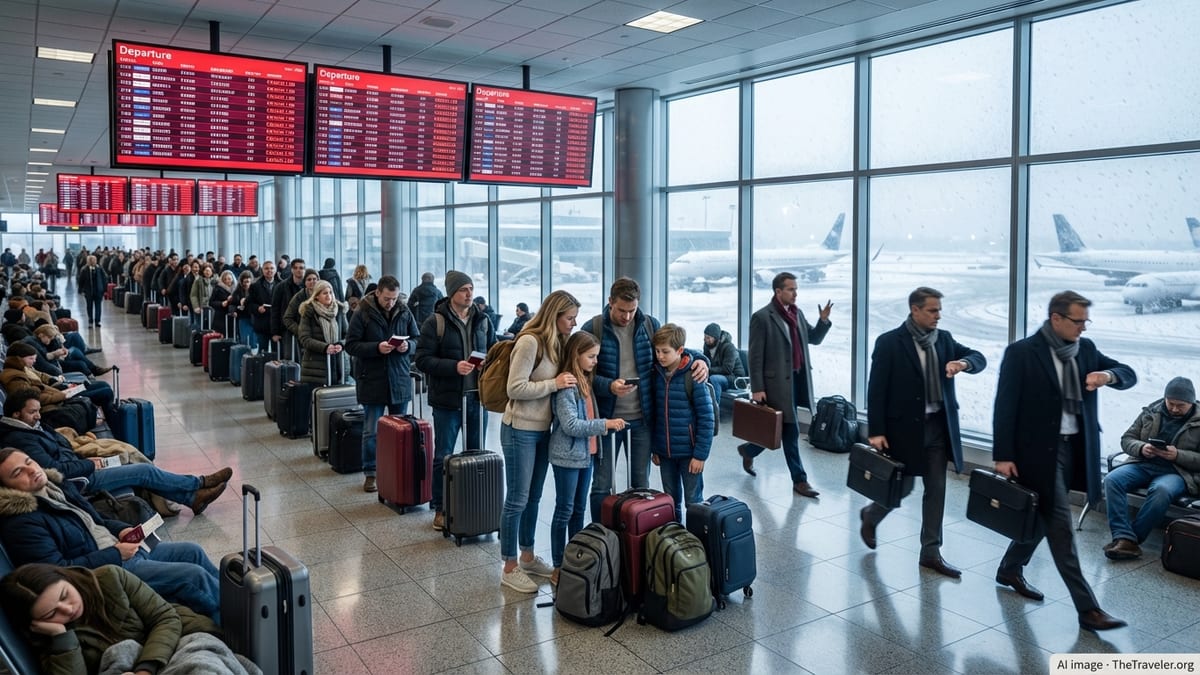
Storms trigger sudden slowdown in London airspace
Heavy downpours and thunderstorms late on Saturday 27 June led to significant disruption at two of the UK’s busiest hubs, with air traffic flow restrictions imposed over large parts of southern England. Published coverage indicates that Heathrow and Gatwick saw hundreds of flights delayed, diverted or cancelled as controllers reduced the number of aircraft allowed to arrive and depart each hour.
Reports show that the storms affected not just London but wider European air corridors, forcing aircraft to reroute around the worst of the weather. This reduced capacity in already busy skies and quickly translated into congestion on the ground, with aircraft waiting for departure slots and inbound flights placed into holding patterns or diverted to alternative airports.
Operational updates from the airports cited adverse weather and thunderstorms as the main cause of disruption, with airlines warning that schedules would remain fragile while storms continued to track across the region. Passengers were urged via public channels and travel alerts to check the status of their flights before setting off for the airport.
Knock on delays stretch into Sunday schedules
Although the most intense storms were relatively short lived, the impact on timetables has proved longer lasting. Once an evening schedule is heavily disrupted, aircraft and crew often end up in the wrong locations, creating a chain reaction that can affect the following morning and beyond.
On this occasion, the volume of Saturday evening delays meant that many aircraft did not complete their planned rotations. Publicly available flight tracking data pointed to clusters of late arrivals and diversions at regional airports, suggesting that some jets overnighted away from their normal bases. This in turn limited the number of aircraft available for early morning departures from London.
Airlines have described efforts to restore normal operations as a multi day process, with some Sunday services cancelled in advance to create recovery space in the schedule. Low cost and network carriers alike have been reshaping timetables, consolidating lightly booked flights and prioritising routes where alternative surface transport options are limited.
Passengers face queues, diversions and rebooking battles
For travellers caught up in the disruption, the immediate experience has ranged from long queues at check in and customer service desks to unplanned overnight stays. Social media posts and passenger accounts shared with broadcasters described individuals stuck for several hours on aircraft waiting for departure, as well as families held in crowded terminals looking for information on new departure times.
Some passengers reported being diverted to airports far from their intended destination, then needing to continue journeys by coach or train. Others found that by the time their London bound flight was cancelled, remaining services on the same route were already full, forcing rebookings one or two days later at peak holiday travel times.
Airlines have been advising customers via apps, email and public statements to accept rebooking options online where possible, in order to reduce pressure on airport staff. However, the scale of the weather related disruption has meant that many travellers still ended up seeking face to face assistance, particularly those with complex itineraries or separate onward tickets.
What disruption means for passenger rights
The latest disruption has once again raised questions about what passengers are entitled to when flights are delayed or cancelled because of bad weather. Under current UK rules, carriers do not normally have to pay financial compensation for cancellations or long delays caused by severe weather, which is considered outside their control.
However, airlines are still required to provide what regulators describe as a duty of care. Public guidance from consumer groups notes that this typically includes meals and refreshments after a certain waiting time, and hotel accommodation and transfers if travellers are stranded overnight while waiting for an alternative flight.
Travel rights specialists point out that weather related events often create grey areas once the initial storm has passed but knock on disruption continues. If an airline cancels flights a day later because its aircraft and crew are out of position, disputes can arise over whether the original weather event or subsequent operational decisions are responsible. Passengers are being encouraged to keep detailed records of delay notifications, receipts and rebooking confirmations in case they wish to pursue claims later.
London’s vulnerability to weather shocks under scrutiny
The latest episode adds to a growing list of weather and technical incidents that have exposed how quickly London’s crowded airspace can grind to a halt. Previous years have seen fog, strong winds and air traffic control issues trigger large scale disruption at Heathrow, Gatwick and other UK airports, with delays sometimes lasting several days.
Aviation analysts note that Heathrow in particular runs close to full capacity even on ordinary days, leaving little margin when thunderstorms or other hazards force controllers to cut the flow of arrivals and departures. When both Heathrow and Gatwick are affected at the same time, the task of rerouting flights and passengers through other hubs becomes far more complex.
Industry observers argue that climate change is likely to bring more frequent episodes of intense rainfall, convective storms and high winds in northwestern Europe, increasing the risk of sudden capacity reductions in busy air corridors. The latest storms over southern England are being viewed by some as another stress test of how resilient London’s aviation system is to short notice shocks.
For now, airlines and airports are focused on clearing the backlog of passengers still trying to reach or leave London after the weekend’s storms. Travel data published on Sunday indicated that schedules were improving but not yet back to normal, with residual delays and isolated cancellations expected to persist as aircraft and crew slowly return to their usual positions.