


More news on this day
The United States is curbing diplomatic staffing across parts of the Middle East as renewed threats linked to the Iran war raise security concerns for embassies, military facilities, and international travelers navigating an increasingly volatile region.
Get the latest news straight to your inbox!
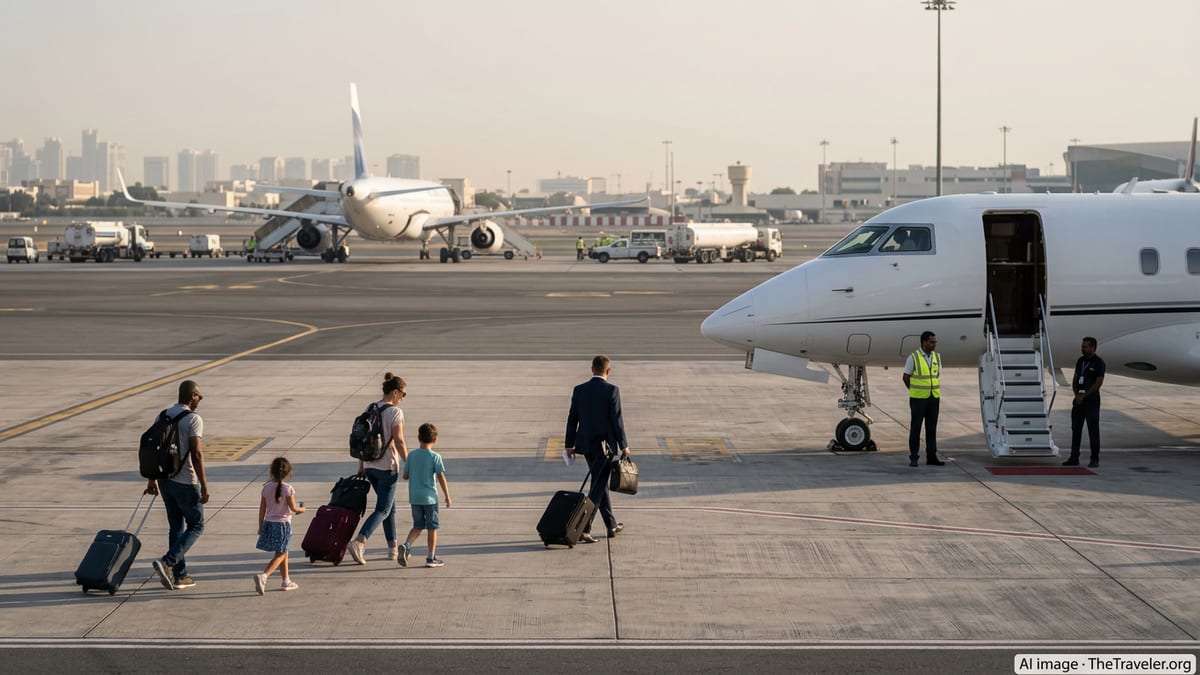
Fresh Staffing Orders Reflect Escalating Regional Threats
Recent directives from Washington have expanded earlier drawdowns of non-essential personnel across several Middle East countries, according to publicly available government documents and media coverage. The measures follow months of intensified clashes between the United States, its partners, and Iran, with missile and drone exchanges pushing the conflict beyond Iran’s borders and into neighboring states.
Reports indicate that U.S. missions in Israel, Lebanon, Iraq, and Gulf states such as Saudi Arabia, Bahrain, Kuwait, Qatar, and the United Arab Emirates have shifted through stages of authorized and ordered departures for non-emergency staff and family members. These steps, which range from voluntary exits to mandatory evacuations, are being framed as precautionary moves in response to credible threats against U.S. diplomatic sites and associated facilities.
The staffing changes coincide with a broader military posture adjustment that analysts link to concerns over Iranian retaliation and proxy attacks. Open source assessments describe a buildup of U.S. air and naval assets around the Gulf, along with reinforced air defenses at key bases, underscoring that the personnel reductions are occurring alongside a more muscular security footprint.
Regional observers note that while large embassies and consulates remain operational with core teams, the message to non-essential employees and dependents has increasingly been to leave while commercial routes remain open. This approach reflects a desire to reduce potential casualties and logistical strain should the conflict deepen or spread further.
Travel Warnings Tighten for Americans Across the Middle East
Alongside staffing cuts, the United States has issued increasingly stark travel advisories for citizens in the region. Publicly posted guidance has urged Americans in multiple Middle Eastern countries to depart as soon as practicable, citing the risk of sudden airspace closures, attacks on infrastructure, and the potential targeting of locations associated with U.S. interests.
In several instances, alerts have highlighted the possibility that borders, airports, and seaports could shut with little notice due to missile or drone strikes, cyberattacks, or political decisions by host governments. Recent coverage in major U.S. outlets describes how earlier rounds of advisories during the opening days of the Iran war left some travelers struggling to find seats on commercial flights as airlines suspended routes and regional carriers adjusted schedules.
State Department messaging has also pointed to a wider security environment in which groups aligned with Iran or other armed actors may seek to strike symbolic or lightly defended targets. As a result, Americans have been advised to avoid large gatherings, stay away from government and military facilities, and maintain contingency plans for rapid departure if local conditions deteriorate.
For many travelers, the shift from cautious guidance to strongly worded calls to leave has underscored how quickly the situation has evolved since the first strikes between U.S. and Iranian forces earlier this year. Travel risk specialists note that even countries not directly involved in the fighting can experience knock-on effects, from demonstrations and cyber incidents to disruptions of aviation and maritime traffic.
Airspace, Airline Routes, and Evacuation Challenges
The evolving Iran conflict has had a direct impact on regional aviation networks, with ripple effects for both diplomats and private travelers. As missile and drone exchanges intensified, civil aviation authorities in several states temporarily closed portions of their airspace, forcing airlines to reroute or suspend services over the Gulf and eastern Mediterranean corridors.
International reporting shows that at various points, flights into and out of hubs in Israel, Iraq, and parts of the Gulf were curtailed or cancelled as carriers assessed the risks of operating near potential conflict zones. These disruptions complicated efforts by diplomatic missions to reduce staffing levels in an orderly fashion, and left some foreign nationals dependent on chartered or government-facilitated flights once commercial options narrowed.
Analysts who track civil aviation safety note that the threat is not limited to direct strikes on airports. Missile trajectories crossing commercial corridors, miscalculation by air defenses, or stray debris can all create hazards for aircraft, as seen in past regional crises. This risk calculus has encouraged some governments to act preemptively in pulling staff and urging citizens to leave before any wider closure of airspace.
For travelers transiting the region, the changing route maps have added uncertainty to trips that once relied on major Middle Eastern hubs for connections between Europe, Asia, and Africa. Travel consultants increasingly recommend flexible itineraries, close monitoring of airline notices, and readiness to adjust plans if a key hub becomes unavailable at short notice.
On-the-Ground Risks for Tourists, Expats, and Business Travelers
Beyond embassies and consulates, the renewed threat environment has raised concerns for tourists, expatriate communities, and corporate staff spread across the Middle East. Publicly accessible risk assessments point to a convergence of dangers that include potential attacks on energy facilities, technology and logistics companies, and high-profile commercial sites frequented by foreigners.
Recent statements attributed to Iranian-linked groups have mentioned foreign businesses that support U.S. and allied military activity as possible targets, prompting some multinational firms to scale back non-essential staff or shift operations to safer locations. Hotels, shopping centers, and entertainment venues associated with Western brands are also under closer scrutiny, with some tightening access controls and security screening.
Security analysts emphasize that even in countries not directly engaged in hostilities, lone actors or sympathetic networks could attempt opportunistic attacks in response to developments on the Iran front. This has contributed to a climate in which routine activities such as commuting to work, visiting consular facilities, or attending public events require heightened situational awareness.
For independent travelers, particularly those undertaking adventure or budget travel across borders, the new reality includes a higher likelihood of checkpoints, curfews, and intermittent communications outages. Specialists warn that widespread misinformation during crisis periods can further complicate decision making for those unfamiliar with local languages or political dynamics.
What Prospective Travelers Should Consider Now
As Washington scales back staffing and raises alarms over potential escalation with Iran, travel planners are reassessing both short and medium term prospects for tourism and business trips to the Middle East. Many travel risk firms advise against non-essential travel to areas within range of active missile exchanges or where protests and political tensions are most pronounced.
Industry guidance increasingly stresses the importance of registering with consular services before departure, keeping digital and physical copies of travel documents, and holding comprehensive insurance that explicitly covers political violence and conflict related disruptions. Travelers are also urged to maintain multiple communication channels, including offline maps and contacts, in case of internet shutdowns or mobile network instability.
For companies with staff in the region, current events are prompting reviews of crisis management plans, including evacuation procedures, safe housing arrangements, and remote working contingencies. Some organizations are relocating personnel to secondary hubs perceived as less exposed to the immediate fallout of the Iran war, while maintaining a reduced footprint in higher risk capitals.
Analysts caution that even if ceasefire efforts gain traction, the underlying drivers of tension between the United States and Iran remain unresolved. This suggests that elevated travel risks, periodic staffing drawdowns, and fluid security conditions could persist, shaping how governments, airlines, and travelers approach the Middle East for months or longer.