


More news on this day
Domestic air travel across Japan faced fresh disruption on Friday as at least 15 flights were canceled and many more delayed, stranding travelers on key routes linking Sapporo, Kagoshima, Osaka and Amami and causing knock-on schedule problems during an already busy spring travel period.
Get the latest news straight to your inbox!
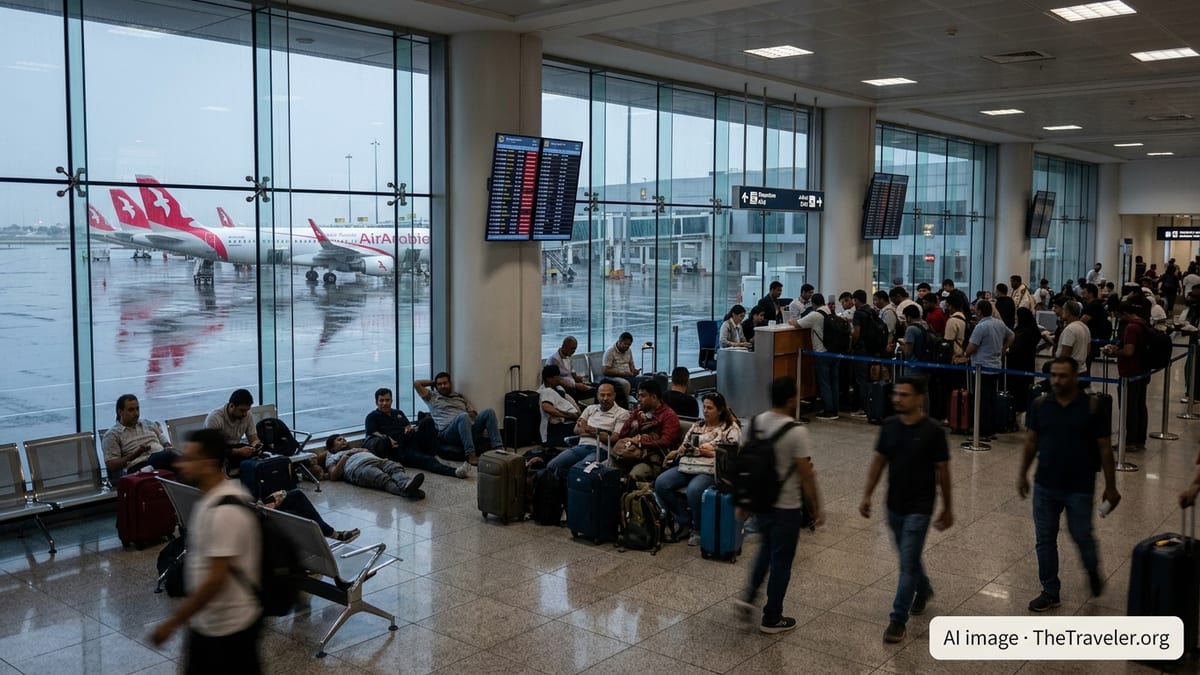
Flight Cancellations Hit Major Domestic Carriers
Publicly available operational data and schedule notices for May indicate that Japan Airlines and group carriers, including regional operator ANA Wings under the All Nippon Airways umbrella, have canceled a combined total in the mid-teens of domestic services on routes touching Sapporo, Kagoshima, Osaka and Amami. These cancellations are concentrated on short-haul sectors that connect regional hubs to the country’s main business and tourism centers.
Japan Airlines has been operating a reduced pattern on some Kyushu and island routes, including links between Kagoshima, Osaka Itami and Amami. Timetable documents for the late spring period list specific flights on Kagoshima to Osaka Itami and Amami to Kagoshima as not operating on select days in May, narrowing options for passengers who rely on these sectors to reach mainland connections.
ANA Wings, which operates turboprop services on behalf of All Nippon Airways, is also running a trimmed schedule on certain Osaka Itami to Kagoshima and Sapporo routes. Network notices highlight days with fewer round trips than usual between Osaka and Sapporo and between Osaka and Kagoshima, reflecting a mix of temporary suspensions and frequency cuts that effectively remove multiple daily services from the timetable.
These targeted cancellations on high-demand corridors mean that even when alternative flights remain available, remaining services are quickly filled, leaving many travelers with limited same-day rebooking choices and longer overall journey times.
Delays Ripple Through Sapporo, Osaka, Kagoshima and Amami
Alongside outright cancellations, live tracking and timetable data for May show a pattern of extended delays on several key domestic routes. Flights between Osaka and Sapporo, one of Japan’s busiest city pairs, have recorded late departures and arrivals on multiple carriers as weather and operational constraints cascade across the network.
Kagoshima, the main gateway for southern Kyushu and the Amami archipelago, has also seen late-running services in recent days. Records for flights linking Osaka Itami and Kagoshima, and for onward services from Kagoshima to Amami, list adjusted times and delayed operations, complicating carefully planned connections where travelers must move between island and mainland sectors.
On routes into and out of Amami, delays intensify the effect of any cancellation because frequencies are lower and alternative options are limited. Travelers heading to or from Sapporo often face similar challenges when poor weather at New Chitose or at Haneda and Kansai disrupts tightly timed links between northern Hokkaido and the Kansai region.
The result is a patchwork of delays across multiple airports, with disruptions in Sapporo, Osaka and Kagoshima feeding into each other as aircraft and crews rotate through Japan’s dense domestic network.
Weather and Operational Pressures Behind the Disruptions
Recent travel-season patterns in Japan suggest that a combination of seasonal weather, tight aircraft utilization and broader fleet and staffing constraints are driving the latest wave of cancellations and delays. Winter and early spring operations in and out of Sapporo are particularly vulnerable to snow, strong winds and low visibility, conditions that can force temporary runway closures or strict spacing between arrivals and departures.
When weather affects a major hub such as Sapporo’s New Chitose Airport, knock-on effects often extend far beyond Hokkaido. Aircraft scheduled to continue to Osaka, Kagoshima or island destinations like Amami can be held out of position, which in turn forces carriers to consolidate services or cancel individual rotations to restore balance to the schedule.
Operational information published by Japanese airlines over the past months also points to network adjustments in response to longer term fleet and cost pressures. ANA Group, for example, has been refining its domestic network while investing in new aircraft types, a process that can leave less spare capacity to absorb unforeseen disruptions when multiple flights are affected on the same day.
For travelers, the combination of systemic factors and short-notice weather events translates into a higher risk of both last-minute cancellations and rolling delays across several consecutive flights on the same route.
Travelers Face Missed Connections and Accommodation Challenges
The immediate impact for passengers is being felt in missed connections, unexpected overnight stays and rapidly rising rebooking costs. Travelers using Osaka as a transfer point between Sapporo or Kagoshima and other domestic or international destinations are particularly vulnerable, as a delay of even an hour on a regional sector can jeopardize onward flights that operate only once daily.
Reports shared by passengers on travel forums in recent months describe situations in which late arrivals into major hubs such as Haneda, Kansai and New Chitose have pushed travelers past the last train or subway departure of the day. In those cases, stranded passengers often face expensive late-night taxi rides or must secure last-minute airport-area hotel rooms at peak prices.
Those scheduled on reduced-frequency routes to and from Amami or other islands confront even fewer options. A cancellation on a sector with only one or two daily flights can mean a full day’s delay in reaching the mainland or returning to the islands, with limited ability to reroute via alternative airports.
Families and tour groups traveling on fixed itineraries, including those relying on package tours or award tickets, may find that the combination of full flights and complex fare rules makes same-day changes difficult, even when seats exist on other carriers.
Practical Advice for Domestic Flyers in Japan Right Now
Given the current pattern of cancellations and delays, travel experts and frequent flyers emphasize careful planning for anyone flying domestic routes in Japan over the coming weeks. Travelers are encouraged to build in generous connection times when linking Sapporo, Osaka, Kagoshima or Amami with other domestic or international flights, rather than relying on minimum legal connection windows.
Many recent traveler accounts highlight the importance of monitoring airline and airport notifications closely on the day of departure. Mobile apps, online flight-status boards and real-time tracking tools can provide early warning of worsening delays, giving passengers more time to request rebooking or adjust ground transport and accommodation.
Passengers holding domestic tickets on Japan Airlines, All Nippon Airways and associated regional carriers should also review the latest irregular-operations policies posted on airline websites. In recent disruption events, Japanese carriers have typically offered fee-free changes or refunds when flights are canceled or significantly delayed, especially when the cause is weather or operational constraints beyond passengers’ control.
For those planning trips that include vulnerable routes, such as winter-season flights to Sapporo or infrequent island sectors to Amami and other remote destinations, a flexible itinerary, a buffer night in a major hub and appropriate travel insurance can help reduce the risk that a canceled or late-running flight will upend an entire journey.