


More news on this day
Travellers heading to Portugal in early June face growing uncertainty as unions confirm participation in a nationwide strike that could disrupt up to 500 flights and strain already busy airports at the start of the summer season.
Get the latest news straight to your inbox!
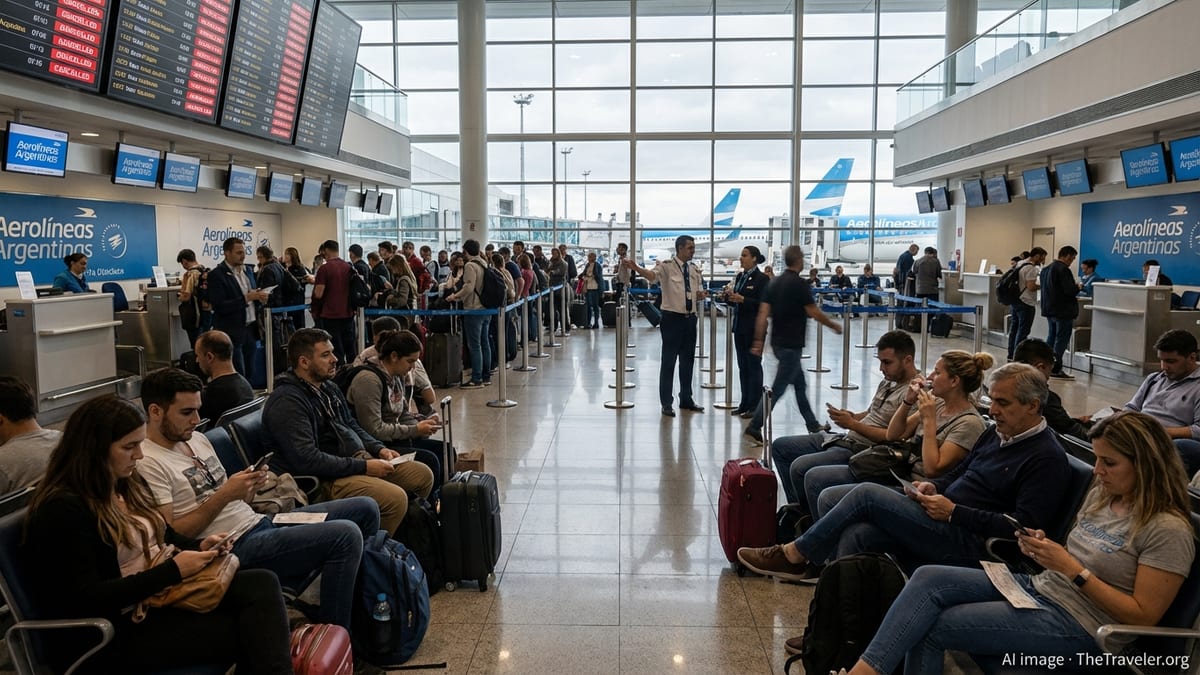
Nationwide walkout set for 3 June
Portugal’s main trade union confederation has called a general strike for 3 June, with aviation personnel among the groups planning to take part. Publicly available information indicates that the action is intended to protest proposed labour and pay reforms across several sectors, raising the prospect of a day of significant disruption to transport nationwide.
Coverage from European travel outlets suggests that as many as 500 flights could be affected if the strike proceeds in full, with cancellations and delays expected to cluster around Portugal’s busiest hubs, including Lisbon, Porto and Faro. The walkout is scheduled during the late spring surge in leisure travel, heightening concern among airlines, airports and tourism businesses about knock-on effects into the peak summer period.
The timing is particularly sensitive for Portugal, which has seen a sharp increase in international arrivals in recent years and is projecting another strong season. Any prolonged or widespread disruption on 3 June could ripple into subsequent days as carriers work to reposition aircraft and crew and clear backlogs of displaced passengers.
Cabin crew vote to join strike
The National Union of Civil Aviation Flight Personnel, which represents a large share of TAP Air Portugal’s cabin crew, has confirmed that its members voted by a substantial majority to participate in the 3 June general strike. Reports in the Portuguese press indicate that around 79 percent backed the move, signalling firm support for industrial action among front-line airline staff.
The decision means TAP, Portugália and Azores-focused carrier SATA are expected to be among the airlines most exposed. Estimates reported by European media suggest that up to 300 of TAP’s daily flights alone could face cancellation or severe delay if a full-scale walkout goes ahead, with additional disruption possible for regional operations and island connections.
Because the strike involves cabin crew based in Portugal, there is also potential for indirect disruption to services operated by other airlines that use Portuguese crews at local bases, including low-cost carriers that serve Lisbon, Porto and Faro. Industry commentary notes that even limited participation can trigger aircraft and crew rotation challenges, leading to wider schedule changes than the raw number of striking staff might suggest.
What airlines and airports are signalling so far
As of 22 May, airlines had not yet published detailed lists of cancelled flights linked to the 3 June action, and schedules for that date were still being displayed as operating on most booking platforms. However, previous strikes in Europe this year suggest that carriers are likely to begin adjusting timetables and issuing waivers once the scale of participation becomes clearer in the days immediately before the walkout.
Guidance shared by SATA with passengers, and circulated on travel forums, already advises travellers booked between 1 and 7 June that they may rebook without penalties or fare differences in anticipation of disruption on the strike date. Similar flexibility measures are commonly offered by European airlines facing industrial action, allowing customers to move their trips slightly earlier or later to avoid the peak of operational stress.
Lisbon’s Humberto Delgado Airport has been under particular scrutiny this year due to long queues at border control and security at peak hours, issues that some airlines have publicly linked to staffing and new border procedures. With a general strike now looming, there are growing concerns that reduced staffing levels on 3 June could combine with any flight cancellations to create congested terminals and longer processing times, even for services that still operate.
Why disruption fears are resonating across Europe
The Portugal strike threat comes against a backdrop of broader labour tensions and operational strains across Europe’s aviation network. Over recent months, air traffic control actions in Italy, pilot and cabin crew strikes at major carriers and concerns about fuel supply and staffing have contributed to a perception of a fragile summer travel environment.
Analysts point out that Portugal has so far avoided some of the most severe air traffic control disruptions seen elsewhere, but note that a nationwide general strike affecting multiple transport modes is unusual at the very start of the high season. Rail and metro services are also expected to be curtailed on 3 June, which could complicate journeys to and from airports even for flights that are not cancelled.
European network performance reports underline how quickly a single day of concentrated disruption can spread, especially when it affects a country that serves as both an origin and a transfer point for long-haul and regional traffic. Portugal’s position as a gateway for transatlantic routes and for connections to Brazil, Africa and the Azores means that missed links on 3 June could generate rebooking challenges well beyond the country’s borders.
What travellers should expect and how to prepare
For now, travellers with flights to, from or within Portugal around 3 June are being urged by consumer advocates and travel industry observers to monitor airline updates closely and to ensure that their contact details are up to date in booking profiles. Experience from recent European strikes suggests that many carriers finalise cancellation lists and rebooking options in the 24 to 48 hours before industrial action begins.
Passengers booked on TAP, Portugália, SATA or services operated from Portuguese bases by low-cost carriers are likely to face the greatest risk of disruption. Those with time-sensitive itineraries, such as cruises, tours or long-haul connections, may wish to explore options to move travel to adjacent dates where airlines permit free changes, or to build in longer connection times if transiting through Lisbon or Porto.
Travel specialists also highlight the importance of understanding air passenger rights under European Union legislation in the event of cancellations or long delays. While strikes can sometimes limit compensation eligibility when considered outside an airline’s direct control, carriers remain responsible for assistance such as meals, hotel accommodation where necessary and rerouting at the earliest opportunity.
With less than two weeks until the planned general strike, the situation remains fluid. Negotiations between unions and government could still affect the scale of participation, but for now the combination of a nationwide walkout, a strong summer tourism outlook and existing pressure on airport operations is enough to fuel mounting concern about flight disruption for Portugal-bound travellers.