


Scroll through any adventure travel forum in 2026 and you will see G Adventures mentioned again and again. From first-time solo travelers in Southeast Asia to retirees on a National Geographic safari in Africa, this Canadian-founded company has become one of the most visible names in small-group tours worldwide. But what exactly is G Adventures, how does it work in practice, and why do so many travelers keep choosing it over planning a trip entirely on their own?
Get the latest updates straight to your inbox!
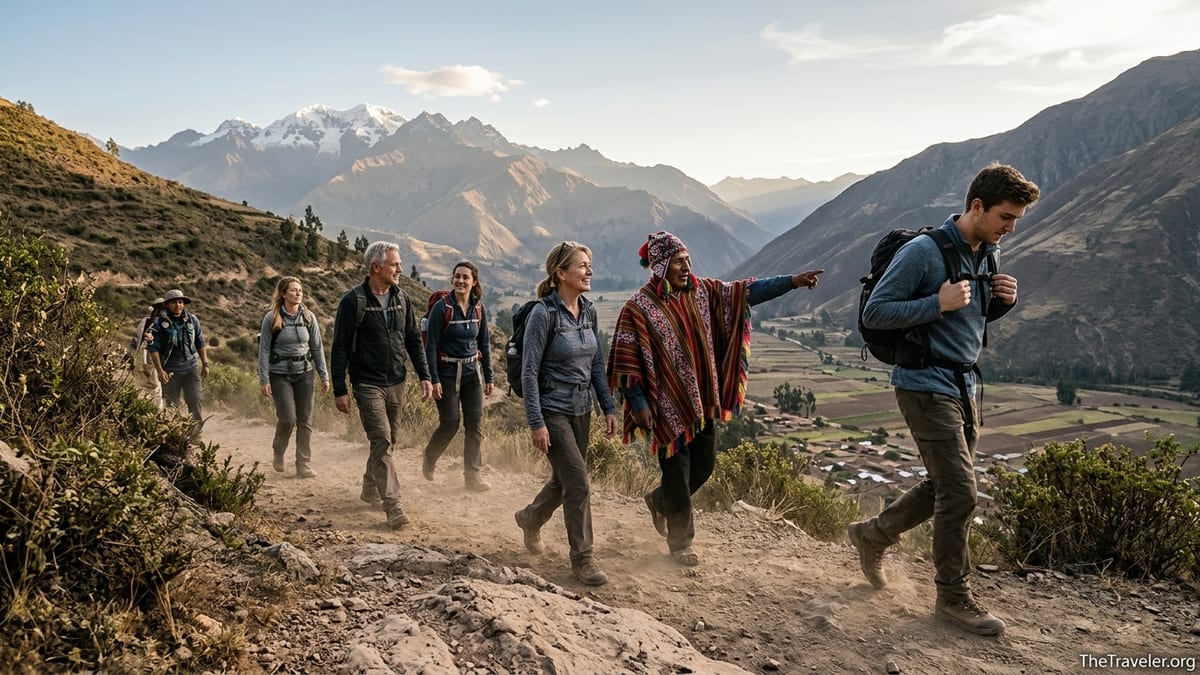
Who G Adventures Is and How It Works
G Adventures is a small-group tour operator that runs organized trips in destinations across the globe, from Peru and Nepal to Italy, South Africa, and Antarctica. Founded in 1990 and headquartered in Toronto, it built its reputation by offering group tours that sit between backpacker-style independent travel and fully escorted coach tours. Typical group sizes are usually in the low double digits, often around 10 to 16 travelers, which is small enough to move flexibly yet large enough to keep prices relatively accessible.
Rather than owning big hotels or fleets of buses, G Adventures generally contracts with local suppliers. Travellers book a packaged itinerary that includes key components such as accommodation, ground transport, and a professional tour leader. Daily activities blend “must-see” highlights with free time. For example, on a classic eight-day Peru itinerary you might have guided visits to Machu Picchu and the Sacred Valley included, with optional add-ons such as extra hikes or cooking classes.
Each group is led by what the company calls a Chief Experience Officer, or CEO. These are local guides who speak the language, understand cultural nuances, and coordinate logistics on the ground. On a typical Morocco tour, your CEO might negotiate prices with taxi drivers in Marrakech, translate during a family-hosted dinner, and advise on what to wear when visiting mosques or remote villages. For many travelers, this combination of local insight and logistical support is the main reason they book.
G Adventures categorizes trips by travel style, region, and activity level on its website, where you can filter by how active you want the trip to be, whether you prefer basic or more comfortable lodging, or whether you are traveling with kids. This structure helps travelers quickly see the difference between, say, a physically demanding trek in the Andes and a softer, more culture-focused tour in Europe.
What a G Adventures Trip Looks Like on the Ground
While exact itineraries vary, a typical G Adventures trip has a clear pattern: a welcome meeting and group dinner on the first night, a mix of included activities and free time during the trip, and a final shared meal or farewell activity at the end. On an eight-day small-group trip in Sicily highlighted by Kiplinger in 2026, for instance, travelers start in Catania and finish in Palermo. The package includes seven nights in hotels, guided walking tours, a hands-on cooking class, several group meals, and transportation between cities, with free time for wandering markets or visiting extra museums on your own.
Accommodation and transport are selected to match the trip style. A classic tour through Vietnam might use simple but comfortable small hotels and travel primarily by train, bus, and local flights. A more rugged adventure in Nepal could combine guesthouses, teahouse lodges on trekking routes, and basic mountain refuges. Expedition cruises to Antarctica or the Arctic operate on small ships such as the refurbished Ocean Adventurer, which the company added to its polar fleet to replace an older vessel and upgrade both comfort and efficiency.
Free time is built into most itineraries. On a week-long Thailand tour, for example, you might have a guided visit to a temple complex in the morning along with an included street-food tasting, then a free afternoon in Chiang Mai to book a massage, visit artisan workshops, or simply relax at a café. Optional experiences, such as zip-lining, extra cooking classes, or wine tastings, can usually be booked through the CEO, but participation is voluntary and at an extra cost.
Importantly, group dynamics are a major part of the experience. Many G Adventures groups are a mix of solo travelers, couples, and friends. On a 15-day trek to Everest Base Camp, for instance, it is common to have hikers from several countries, aged anywhere from their twenties to their sixties, all sharing meals in teahouses and helping each other on difficult sections of the trail. The social aspect, from bus banter to group dinners, is one of the big draws for people who do not want to travel alone.
Trip Styles, Destinations, and Real-World Examples
To appeal to different kinds of travelers, G Adventures splits its catalog into multiple trip styles. Classic trips are the core product, offering a balanced mix of culture, nature, and activity at moderate comfort levels. Active trips emphasize hiking, cycling, and physical challenges. There are also family journeys designed for adults traveling with children, plus more comfort-focused styles and special collections such as wellness and sailing.
One high-profile segment is the partnership with the National Geographic Society. Under labels such as National Geographic Journeys and National Geographic Expeditions with G Adventures, these trips blend small-group touring with richer storytelling and deeper learning. A National Geographic trip to Alaska, for example, might include exploring Kenai Fjords National Park by boat to watch for calving glaciers, hearing from a local naturalist about wildlife behavior, and visiting communities where National Geographic researchers have worked.
Destinations are global. In South America, G Adventures runs itineraries that combine Lima, Cusco, and Machu Picchu with side trips to the Amazon or Lake Titicaca. In Europe, it might mean a Mont Blanc hiking circuit across France, Italy, and Switzerland, staying in mountain refuges and small inns. In Africa, popular trips include small-group safaris in Kenya and Tanzania, where travelers share 4x4 vehicles in search of big cats and elephants, followed by visits to community tourism projects.
Pricing varies widely based on trip length, destination, and comfort level. A demanding 15-day small-group trek to Everest Base Camp can start at about the low four figures per person for land arrangements, including an English-speaking local guide, porters to carry gear, necessary permits, teahouse lodging, and internal flights within Nepal. A European mountain trek such as a 10-day Mont Blanc circuit typically costs more because of higher operating expenses, with prices rising into the mid four figures for 2026 departures, including most breakfasts, several dinners, mountain refuge stays, and group transport. By contrast, shorter cultural city breaks or basic trips in Southeast Asia can be significantly cheaper.
Why Travelers Choose G Adventures Over Going It Alone
Many travelers who book G Adventures could physically travel independently yet choose not to. A big reason is logistics. Organizing a trek in the Himalaya, a safari across multiple African parks, or a multi-country overland route in South America requires juggling permits, transfers, language barriers, and safety considerations. With G Adventures, much of this is handled before you land. In Nepal, for example, internal flights to and from remote airports, pre-booked teahouse lodging, and pre-arranged porters take away guesswork in areas where last-minute arrangements can be stressful.
Another draw is the social environment. Solo travelers, especially women or those new to long-haul travel, often appreciate joining a ready-made group and having a professional guide. On message boards, people regularly describe their first G Adventures tour as a way to “test” solo travel without being entirely on their own. On a typical trip through Central Europe, a solo traveler might share a twin room with another group member, join everyone for group dinners, and still have spare afternoons to wander Prague or Vienna independently.
Perceived value also plays a role. Because G Adventures works with local hotels, guesthouses, and transport providers, it can often secure competitive rates. For instance, a week-long group tour in Sicily highlighted for solo travelers bundled seven nights of hotels, multiple guided excursions, a cooking class, and most transport into one price that would be difficult to replicate exactly if booked piece by piece, especially during the high season. While independent travelers can sometimes spend less by choosing basic hostels and local buses, many guests feel the premium is reasonable for the added support and structure.
Finally, there is the comfort that comes with a well-known brand. For a first trip to places like Jordan, Peru, or Tanzania, booking with a company that has taken thousands of people along the same route gives many travelers peace of mind. They know airport transfers will show up, hotels have been vetted, and there is someone to call if a flight is delayed or luggage goes missing.
Responsible Travel, Ripple Score, and Community Tourism
G Adventures positions itself as a social enterprise with a strong emphasis on responsible travel and community tourism. Instead of building its own large lodges or relying exclusively on big international hotel chains, it aims to channel spending toward locally owned businesses, from small guesthouses and family-run restaurants to community tourism projects and cooperatives. The company works closely with Planeterra, a non-profit focused on community tourism, to support social enterprises in many destinations.
One of its best-known tools is the Ripple Score, a metric that shows what percentage of the money G Adventures spends on operating a specific tour stays in the local economy. The score is based on how many services are provided by locally owned businesses rather than foreign-owned chains. On many trips, the average Ripple Score is high, indicating that a large majority of on-the-ground spending benefits local communities. For travelers, this offers a simple way to gauge the impact of their tour choice when comparing different itineraries.
The company also publishes a climate and biodiversity action plan that outlines efforts to reduce emissions and support restoration projects. In recent years, it has invested in renewable energy for its offices and supported reforestation and conservation initiatives through technology partners. While long-haul flights will always carry a carbon cost, the company is clear that it wants to reduce the footprint of operations it directly controls, such as ground transport, office energy use, and the selection of local partners.
In practice, community tourism can look quite different depending on the trip. On an overland route in Southeast Asia, your group might stop at a village-run homestay where dinner is prepared by local families, and part of your payment goes toward education or infrastructure. On a Peru journey, you may visit a women’s weaving cooperative in the Sacred Valley, where artisans explain textile traditions and sell their work directly to visitors at fair prices. These small encounters often become some of the most memorable moments of a G Adventures trip, precisely because they feel personal and grounded in everyday life.
Who a G Adventures Trip Is Best Suited For
G Adventures trips tend to appeal strongly to certain types of travelers. Solo travelers are a major audience, and many departures have a high proportion of people traveling alone. Someone in their early thirties might join an age-targeted “18-to-thirty-somethings” style trip through Southeast Asia that uses simple guesthouses and public transit, while a sixty-something solo traveler may gravitate toward a National Geographic itinerary in Europe or a comfort-style safari with private rooms and more included meals.
The tours also work well for people who are adventurous in spirit but short on time. A professional with only two weeks of vacation might book a comprehensive 12-day itinerary in Peru that includes Lima, Cusco, the Sacred Valley, Machu Picchu, and Lake Titicaca, rather than trying to piece together each transfer and hotel themselves. First-time visitors to more complex destinations, such as India or multi-country Southern Africa, often appreciate having a local expert handle everything from recommended street-food stalls to tipping norms.
Families are another growing segment. Specialized family journeys, some developed in partnership with National Geographic, adjust the pace and activities to be kid-friendly. Instead of long days of museum visits, these itineraries incorporate hands-on experiences like wildlife tracking in national parks, short walks rather than strenuous hikes, and interactive cultural visits. Parents typically value the safety net of a guide and the chance for kids to make friends within the group.
On the other hand, ultra-independent travelers who prefer to make decisions on the fly may find the structure limiting. Even though most G Adventures trips include free time and optional activities, the overall route and most overnight stops are fixed. Travelers who want complete control over hotel selection, restaurant choices, and pace might be happier using guidebooks and local operators to build a custom itinerary.
What You Need to Know About Costs, Comfort, and Expectations
When evaluating a G Adventures trip, it is important to look beyond the headline price and understand what is and is not included. Land-only prices generally cover accommodation, most in-country transport, the services of the CEO, some entrance fees, and a set number of meals. International flights to the starting point are almost always extra. For example, a 15-day trek to Everest Base Camp might include domestic flights within Nepal, two nights in a Kathmandu hotel, 12 nights in teahouses, porters, and permits, but you would still need to pay separately for your long-haul flight, travel insurance, certain meals, and personal gear.
Comfort levels are clearly labeled in the trip descriptions. Basic or 18-to-thirty-somethings trips may feature simpler accommodation such as guesthouses or multi-share rooms, plus travel on public buses and trains where you might not have assigned seats. Classic trips step up to twin-share hotel rooms with private bathrooms in most locations, and more comfortable vehicles for longer drives. Premium collaborations, such as some National Geographic-branded journeys or polar expeditions, offer higher-end hotels, upgraded ships, and more inclusions, which is reflected in higher pricing.
Optional extra activities can add significantly to your final spend. On a safari itinerary in East Africa, for instance, hot air balloon rides over the savannah, additional city tours, or special dinners might be available at extra cost. In European cities, food tours, wine tastings, or biking excursions are often suggested but not included. Before you book, it is wise to read the detailed day-by-day and list all optional activities you are likely to choose, then add a realistic daily budget for meals not included, tips, and personal expenses.
Finally, expectations around group dynamics matter. Not every group will click instantly, and age ranges can be wide outside of explicitly age-targeted trips. Some departures run nearly full with 14 or 16 travelers; others may go ahead with a smaller group. Over the space of a week or two on the road, people’s interests, energy levels, and personalities will vary. Many travelers report forming lasting friendships, but it is also possible to find yourself in a group where you connect strongly with just a couple of people. Being flexible and open-minded usually leads to a better experience.
The Takeaway
G Adventures has grown from a niche operator into one of the most recognizable names in adventure travel by focusing on small groups, local connections, and a balance of structure and freedom. For someone who wants the security of an organized tour without being herded around on giant buses, the model can be a strong fit. Clear trip styles, local CEOs, and an emphasis on community tourism through initiatives such as the Ripple Score help distinguish the brand in a crowded market.
It is not the perfect solution for everyone. Travelers who cherish spontaneous detours, ultra-budget backpackers, or those who prefer full control over every hotel and restaurant may find a group itinerary too confining. But for solo travelers seeking company, families wanting support in unfamiliar destinations, or professionals who crave immersive experiences without months of planning, G Adventures can be a practical and rewarding choice.
Before you book, take time to compare itineraries, read the fine print on inclusions, and honestly assess your comfort levels and expectations. If the style aligns with how you like to travel, a G Adventures trip can offer a straightforward way to turn a dream destination into a real, well-supported journey.
FAQ
Q1. What exactly is G Adventures?
G Adventures is a global small-group tour operator based in Canada that organizes guided trips around the world, using local guides and suppliers in each destination.
Q2. How big are the groups on G Adventures tours?
Group sizes vary by itinerary but are typically in the range of about 10 to 16 travelers, which helps keep experiences social yet manageable.
Q3. Are G Adventures trips suitable for solo travelers?
Yes. Many participants travel alone, and rooming is usually on a twin-share basis unless you pay extra for a private room, making it a popular option for solo travelers.
Q4. What is included in the trip price?
Trip prices usually include accommodation, most in-country transport, the services of a local CEO guide, key activities, some entrance fees, and a set number of meals. International flights and many optional activities are extra.
Q5. What is the Ripple Score I see on some trips?
The Ripple Score is a measure G Adventures uses to show what percentage of the money it spends to operate a tour stays in the local economy through locally owned hotels, restaurants, and services.
Q6. How are G Adventures trips different from big coach tours?
G Adventures focuses on smaller groups, more local-style accommodation, and closer interaction with communities, compared with large coach tours that often use big hotels and fixed sightseeing from a bus.
Q7. Are G Adventures tours good for families with children?
Yes. Specially designed family journeys offer child-friendly pacing and activities, such as wildlife viewing, short walks, and interactive cultural visits suitable for kids.
Q8. How active are G Adventures trips?
Activity levels range from relaxed cultural trips with light walking to demanding treks at high altitude. Each itinerary lists an activity rating so you can choose one that matches your fitness level.
Q9. Do I need travel insurance for a G Adventures trip?
Travel insurance is strongly recommended and may be mandatory for some itineraries, especially those involving remote locations, trekking, or adventure activities.
Q10. How far in advance should I book a G Adventures tour?
Popular departures, such as peak-season safaris or classic treks, often fill several months in advance, so it is wise to book as early as you can once your dates are firm.