


More news on this day
Royal Caribbean guests booked on a high‑demand Alaska itinerary are reporting surprise cabin reassignments ahead of departure, as the cruise line works to accommodate an oversold sailing and recent changes to stateroom categories.
Get the latest news straight to your inbox!
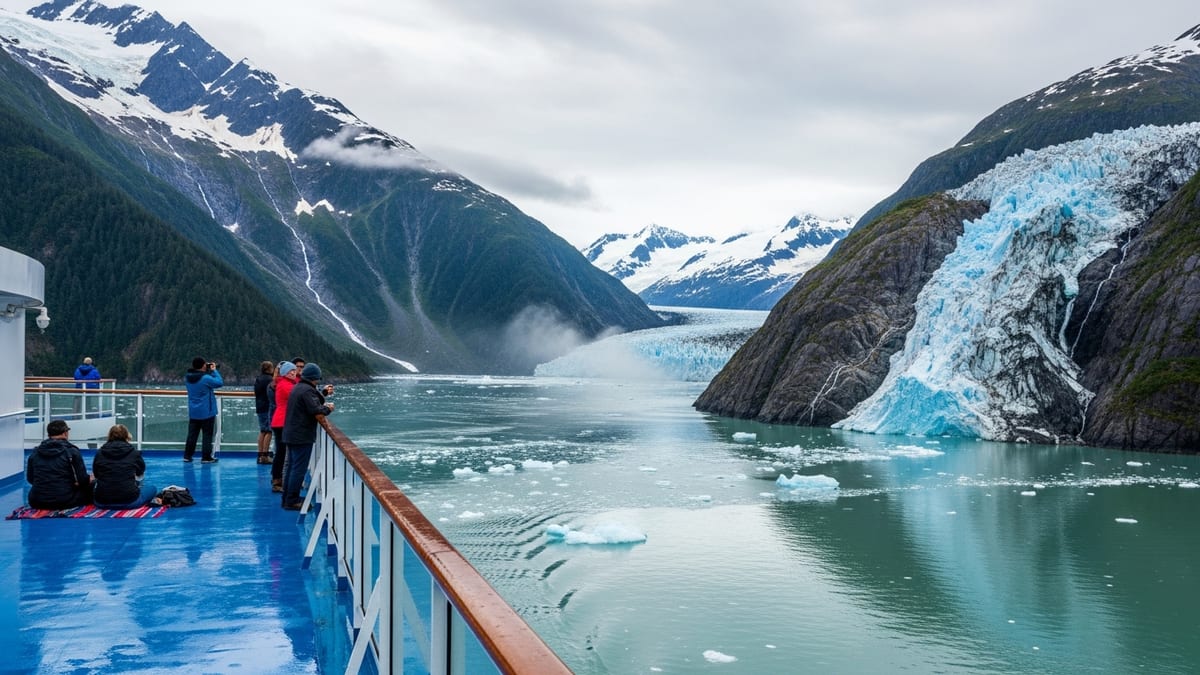
Oversold Alaska Sailing Triggers Cabin Shuffle
Recent coverage of Royal Caribbean’s 2026 program indicates that at least one Alaska sailing has been sold beyond the ship’s original stateroom capacity, prompting a round of pre‑cruise cabin reassignments for booked guests. The Alaska season has been described as one of the most in‑demand segments in the company’s portfolio, with limited berths and strong interest in glacier and Inside Passage routes.
Reports from cruise news outlets and enthusiast sites describe Royal Caribbean contacting affected passengers with notices that their originally selected cabins have been changed to “similar” or newly defined categories. In some cases, travelers who had carefully chosen specific locations on the ship say their reservations now show different stateroom numbers than those on their initial confirmations.
The Alaska sailing at the center of the latest reshuffle is part of a wider pattern seen across Royal Caribbean’s 2025 and 2026 deployments, where peak‑season and holiday voyages have occasionally been oversold. While cruise lines routinely factor in a percentage of last‑minute cancellations when managing inventory, this year’s strong demand for Alaska has left less room for error.
Publicly available information also points to ongoing adjustments in Alaska itineraries, including changes to scenic cruising in certain fjords and modifications to embarkation or debarkation ports. These broader operational shifts appear to be occurring alongside cabin reallocations on individual ships.
How Royal Caribbean Says It Manages Overbooked Cruises
Industry coverage explains that when a sailing is oversold, Royal Caribbean typically begins by asking for volunteers to move to different dates or accept alternative accommodations. Reports indicate that incentives can include future cruise credits, onboard credit, or the option to shift to another itinerary at the same fare, particularly on popular routes where the company wants to avoid last‑minute cancellations.
If not enough guests volunteer, the line may reassign cabins while attempting to keep travelers in the same general category they originally booked. In practice, that can mean switching from one balcony or oceanview stateroom to another, even for passengers who selected specific positions near elevators, mid‑ship locations, or particular deck layouts.
Travel forums and cruise blogs note that many cruise contracts, including Royal Caribbean’s, reserve the right for the company to alter stateroom assignments up to and including embarkation day. As long as the new cabin is within the same or a higher category, the change is usually permitted without additional approval from the guest. That contractual flexibility is now being tested on busy Alaska voyages, where high demand and evolving deck plans intersect.
Some coverage also points out that overselling and cabin shuffles are not unique to Alaska. Similar tactics have been reported on select Caribbean and holiday sailings, although the relatively short Alaska season and limited number of ships in the region can make any adjustment feel more significant for affected travelers.
Cabin Recategorization Adds Another Layer of Change
Separate from overselling, Royal Caribbean has also been refining how it labels and prices certain staterooms, a process widely referred to as recategorization. Enthusiast communities have highlighted examples in which groups of cabins are reclassified into new sub‑types, often reflecting differences in view, layout, or proximity to public areas.
For the Alaska sailing now drawing attention, passengers describe receiving notices that their original category no longer exists in the same form, and that they have been reassigned to a comparable cabin under the updated system. In some cases, that means a stateroom on a different deck or in another section of the ship, even though the overall size and amenities remain similar.
Travel advisors following the situation say that recategorization can be especially impactful on Alaska itineraries, where factors such as viewing angles and ship side can matter more to guests who prioritize scenery and wildlife spotting from their balconies or windows. A cabin that is technically equivalent on paper may feel different in practice if it faces another direction or sits closer to lifeboats or structural elements.
Publicly available guidance suggests that when recategorization leads to a materially lower cabin type, guests may sometimes be eligible for partial refunds or credits, while those moved to higher categories might simply receive an upgrade. However, when the new assignment is considered equivalent, compensation is less likely, which can fuel debate among travelers about what “similar” really means.
Itinerary and Port Changes Put Extra Pressure on Alaska Season
The current round of cabin reassignment is unfolding against a backdrop of broader adjustments to Royal Caribbean’s Alaska operations. Earlier this year, published coverage detailed the removal of certain fjord transits from the 2026 schedule due to navigation and safety concerns, prompting route changes on a number of departures. Other reports described temporary shifts in homeports tied to construction timelines at a new Alaska terminal.
While those itinerary modifications do not directly cause cabin changes, they illustrate how tightly calibrated the Alaska season has become. Ships must fit narrow scheduling windows for port calls and scenic cruising, and any alteration can ripple through deployment plans, capacity forecasts, and revenue management strategies.
Analysts quoted in trade coverage note that when demand remains high despite these adjustments, cruise lines have strong incentives to keep sailings near full occupancy. That, in turn, can increase the likelihood that overselling, recategorization, and pre‑departure cabin shuffles will be used as tools to balance the books and align inventory with actual shipboard layouts.
The current Alaska case also highlights the complexity of aligning guest expectations with operational realities. Travelers often book these itineraries months or years in advance, building detailed plans around particular cabins, viewpoints, and port times, only to see some of those elements evolve as the season draws nearer.
What Affected Passengers Are Being Offered
Accounts gathered from traveler reports suggest that Royal Caribbean is primarily using a combination of automatic cabin reassignment and targeted offers to manage the oversold Alaska sailing. Some passengers indicate that they were simply moved to new stateroom numbers of the same category, with no additional compensation beyond the promise of a “comparable” cabin.
Others describe receiving invitations to voluntarily switch cabins or even move to alternate sailings, with incentives such as onboard credit or fare protection offered to those willing to adjust their plans. These offers appear most common among guests in flexible travel situations or in stateroom types that are particularly constrained on the oversold voyage.
Consumer advocates commenting on similar cases encourage travelers to review their booking confirmations carefully, monitor their online cruise accounts for any changes, and contact their travel professional promptly if a reassignment appears on their reservation. While the cruise contract generally permits the line to make such changes, there may be limited opportunities to request a different location or negotiate benefits, especially if the new cabin category is clearly superior or inferior to what was originally purchased.
For now, the Alaska sailing at the center of the cabin shuffle serves as another example of how busy the cruise market has become in 2026. As Royal Caribbean navigates strong demand, evolving itineraries, and ship‑specific adjustments, travelers on marquee routes such as Alaska may see more behind‑the‑scenes inventory moves reflected directly in their stateroom assignments.