

More news on this day
Sandakan, the wildlife gateway of Malaysian Borneo, is emerging as one of Sabah’s fastest-rising tourism hotspots, yet industry data and recent policy discussions highlight a critical gap in its growth story: there is still no direct flight connecting the city to Singapore, one of Asia’s most important aviation hubs.
Get the latest news straight to your inbox!
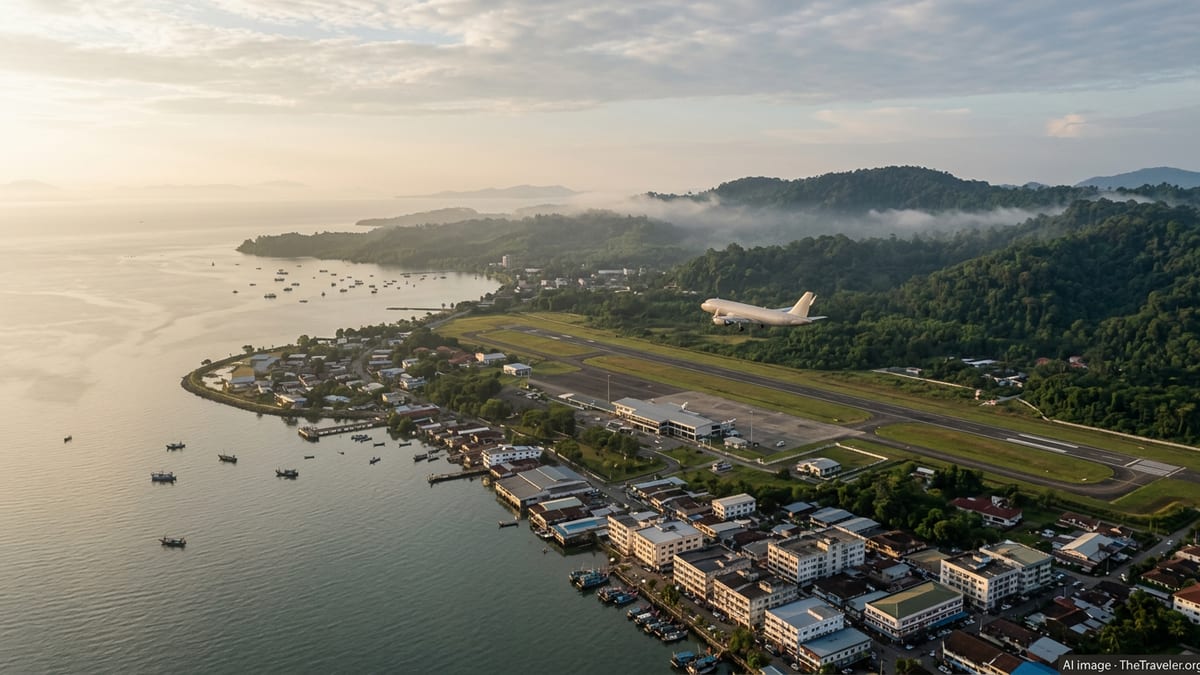
Rising Demand at Sabah’s Nature Gateway
Recent tourism figures indicate that Sandakan is benefiting from a broader rebound in Sabah travel, with local media reporting double-digit growth in visitors drawn by its orangutan rehabilitation centres, river safaris and rainforest lodges. Sandakan Airport, which can handle up to 1.4 million passengers annually, has been positioned as a key regional gateway, but current schedules remain dominated by domestic connections via Kota Kinabalu and Kuala Lumpur.
Coverage in regional outlets over the past year points to a surge in nature-focused itineraries that pair Sandakan with the Kinabatangan River and Sepilok, as international tour operators ramp up Borneo wildlife packages. Many of these programmes, particularly from Europe and Australia, route travellers through Singapore’s Changi Airport before onward flights into Sabah, underlining the city-state’s role as a natural staging point for long-haul markets.
Yet flight route data show that passengers from Singapore to Sandakan must still rely on at least one stop, typically changing planes in Kota Kinabalu or Kuala Lumpur. This adds time, cost and potential disruption, a disadvantage when competing with more easily accessible wildlife destinations in Southeast Asia.
Local commentary in Malaysian media has repeatedly framed limited air connectivity as Sandakan’s main structural weakness, warning that the city risks falling behind other secondary destinations that have secured direct international routes.
Talks With Airlines Highlight Strategic Gap
Publicly available information from Sabah tourism authorities shows active efforts to strengthen links with Singapore-based carriers. In 2025, regional coverage reported that the Sabah Tourism Board and Tourism Malaysia had entered discussions with low-cost airline Scoot to explore a direct Singapore–Sandakan service, positioning the route as a way to tap both the Singaporean leisure market and international transfer traffic through Changi.
These talks build on earlier calls dating back several years, when Sabah’s tourism leaders floated proposals for Singapore carriers to serve Sandakan and another east coast town, Tawau. The rationale was clear: while Kota Kinabalu enjoys multiple direct links to Singapore and North Asia, eastern Sabah’s flagship wildlife products remain one or two flights further away for most visitors.
So far, however, the Singapore–Sandakan route has not moved beyond the planning stage. Airline route maps and commercial flight databases accessed in March 2026 show no nonstop flights between Changi Airport and Sandakan, even as carriers expand other short-haul connections in the region.
Aviation analysts note that this leaves a gap in Malaysia’s broader strategy to disperse tourists beyond primary gateways. Without direct access, Sandakan must continue to depend on domestic feeder traffic and tour-group charters that may not fully capture independent travellers, weekend visitors from Singapore or high-spend niche segments such as photographers and birdwatchers.
Wildlife, Conservation Tourism and Missed Opportunities
Sandakan’s international appeal rests on its concentration of wildlife and conservation attractions within relatively short driving distances. The Sepilok Orangutan Rehabilitation Centre, Bornean Sun Bear Conservation Centre, Rainforest Discovery Centre and Kinabatangan River lodges are frequently highlighted in travel features as among Borneo’s most accessible places to see orangutans, proboscis monkeys, hornbills and, occasionally, pygmy elephants in the wild.
Travel forums and tour brochures aimed at Singapore residents increasingly promote multi-day wildlife breaks in Sandakan, but itineraries often require travellers to first fly to Kota Kinabalu, then connect on a short-haul domestic sector. This extra step can be a deterrent for short stays of three to four days, a key segment in the Singapore market where annual leave is limited and travellers are accustomed to quick weekend hops to regional destinations.
Industry observers argue that a direct Singapore link would not only lift visitor numbers but also diversify the profile of arrivals. Easier access could support smaller eco-lodges, community-based tourism projects and higher-value specialist tours, spreading tourism income beyond the main urban centre. It could also strengthen support for conservation initiatives by increasing visibility and funding for the wildlife centres that have made Sandakan a global name among nature enthusiasts.
At the same time, there are warnings that any surge in visitors must be matched with robust capacity management. Conservation groups and tour operators have previously raised concerns, in public forums and reports, about overcrowding at popular feeding platforms and along sensitive river stretches. A carefully calibrated increase in air connectivity is seen as one tool that can be aligned with conservation-based visitor caps and better dispersal of tourists across sites and seasons.
Singapore’s Role as a Global Hub for Sabah
Singapore’s Changi Airport functions as a major gateway for long-haul travellers heading to Southeast Asia, including those bound for Malaysian Borneo. Airlines and travel agencies commonly route passengers from Europe, North America and North Asia through Singapore before connecting to Malaysian destinations. Direct flights already link Changi to Kota Kinabalu, but these services primarily feed Sabah’s capital and nearby island resorts.
In this context, a Singapore–Sandakan connection would effectively plug the city into a global network without requiring a change of plane within Malaysia. For international visitors, especially those on tight schedules or complex multi-country trips, reducing one leg and one domestic transit can significantly improve the attractiveness of a destination.
Malaysia’s own aviation landscape is moving in this direction elsewhere. Regional coverage over the past two years highlights new direct international routes into secondary Malaysian cities, reflecting a strategy of spreading economic benefits and relieving pressure on primary hubs. Advocates for Sandakan point to these examples when arguing that the city is ready to follow suit, thanks to its upgraded airport infrastructure and proven tourism demand.
For Singapore, the route could complement existing leisure offerings by adding a distinctive nature and conservation product within a relatively short flight time, broadening options beyond traditional city breaks, beach resorts and theme parks.
Balancing Connectivity, Capacity and Community Benefits
The debate over direct flights to Sandakan from Singapore is increasingly framed not only as a tourism issue, but as a question of regional development and sustainability. Improved air links are seen as a way to channel visitor spending into eastern Sabah, where communities along the Kinabatangan River and in rural districts depend heavily on eco-tourism and related services.
Public discussions in local media stress that any new route should be backed by investments in basic infrastructure, waste management and community training, ensuring that growth in arrivals does not compromise the natural assets on which Sandakan’s appeal depends. Observers also highlight the importance of scheduling and frequency decisions that align flight arrivals with onward transfers to wildlife lodges, reducing congestion in the city and at the airport.
For now, the absence of a direct Singapore–Sandakan service stands out against a backdrop of expanding regional connectivity elsewhere in Malaysia. As negotiations between tourism bodies and airlines continue, travel industry analysts view the route as a litmus test of how quickly secondary nature destinations in Borneo can be brought into the global network in a way that benefits both conservation and local communities.
With Sandakan’s tourism numbers climbing and Changi’s status as a premier hub firmly established, calls are likely to grow louder for a nonstop link that finally aligns the city’s wildlife reputation with the level of international access it appears to have earned.