

Some countries deliver a once-in-a-lifetime trip. Portugal has a different kind of magic. It is the place travelers leave already planning their return, drawn back by a rare blend of beauty, ease, and emotional connection. From first-timers who start in Lisbon and Porto to seasoned visitors who slowly fan out into the Alentejo plains or the green hills of the Minho, many find that one visit simply is not enough.
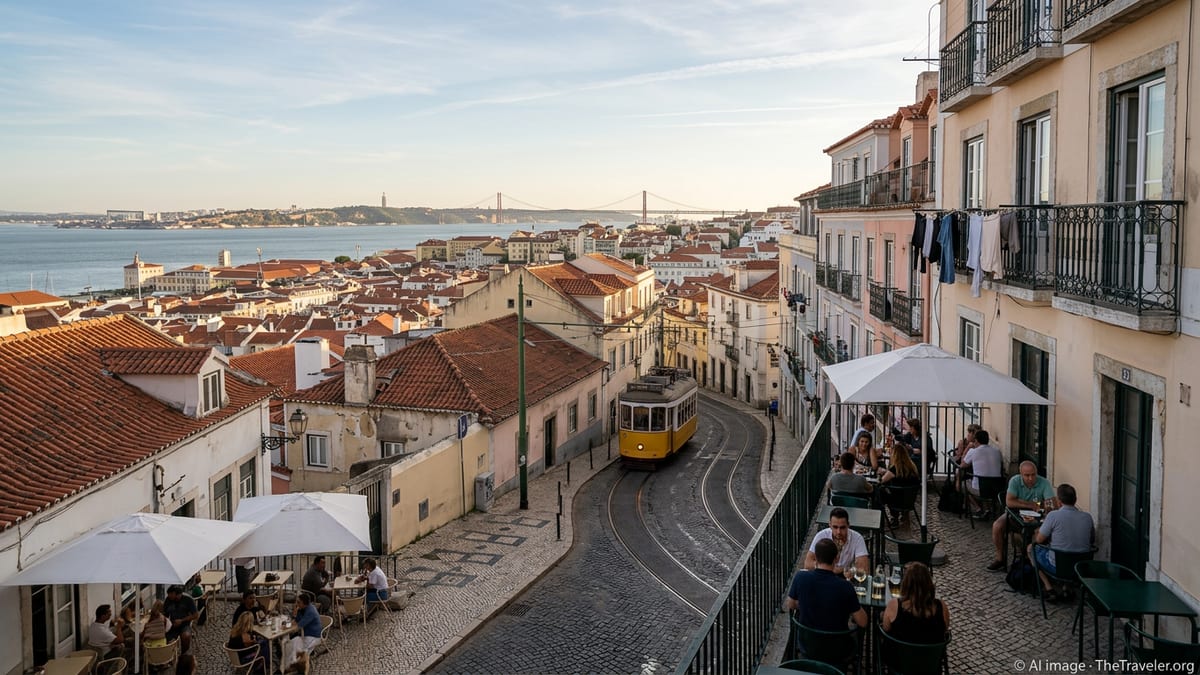
A Country That Feels Instantly Welcoming
One of the strongest reasons people come back to Portugal is how easy it is to feel at home. Travelers often remark on the low-key warmth of everyday encounters, whether they are ordering coffee at a corner pastelaria, asking directions in a backstreet of Coimbra, or chatting with a market vendor in Lagos. English is widely spoken in cities and tourist hubs, but visitors also find that making an effort with a few Portuguese phrases earns quick smiles and genuine appreciation. This atmosphere of relaxed hospitality can be surprisingly powerful, particularly for solo travelers and older visitors who may be wary of feeling out of place.
Portugal’s reputation for safety reinforces that comfort. The country consistently ranks among the safest and most peaceful in the world, frequently appearing near the top of global peace and retirement indexes that weigh crime rates, political stability, and overall sense of security. Many visitors note that they feel comfortable walking at night in central neighborhoods, riding late buses or trams, and exploring less touristed districts with a camera in hand. That sense of physical ease allows repeat visitors to move beyond checklist sightseeing and sink into a more local rhythm.
This everyday friendliness extends to the way Portugal manages tourism. Compared with some destinations that feel overwhelmed in peak season, many Portuguese cities and towns still balance local life and visitor needs. There are busy moments in places like Lisbon’s Baixa or Porto’s Ribeira, yet walk a few blocks inland and the atmosphere often turns quiet and residential. Travelers who return learn where the neighborhood bakeries open before dawn, which cafes welcome them by name, and how to time their days around local routines rather than tour schedules.
For many, this combination of safety, ease of communication, and unfussy hospitality changes Portugal from a one-off vacation spot into a place they feel they can always return to, whether for a quick long weekend or a longer stay that edges close to temporary life abroad.
The Allure of a Manageable, Varied Landscape
Portugal is small enough to cross from north to south in a single day, yet its landscapes shift constantly. This scale, combined with variety, is a key reason travelers keep coming back. On a first trip, many visitors focus on Lisbon, Porto, and perhaps the Algarve. On subsequent visits they often push outward, discovering that each region has a distinct personality, climate, and pace of life.
In the north, the Douro Valley’s terraced vineyards and winding river cruises feel far removed from the breezy Atlantic towns of Minho, where green hills, baroque churches, and Vinho Verde wines dominate the scene. Inland, historic cities like Braga and Guimarães invite slower cultural immersion, far from the coastal surf breaks. Travelers who once rushed through on a day trip often return specifically to spend several nights, exploring riverside trails, small-town festivals, and local wine estates.
Central Portugal offers yet another mood. Between Lisbon and Porto, travelers discover lighthouse-topped cliffs near Nazaré, medieval-walled Óbidos, and the canal-laced streets of Aveiro. These places appeal strongly to second-time visitors seeking coastal scenery and traditional fishing culture without the high season crowds of the Algarve. In the interior, schist villages and university towns like Coimbra reward those who enjoy wandering stone lanes, visiting old libraries, and finding quiet cafes where time seems to slow down.
Further south, the Alentejo opens into wide horizons, cork oak forests, and long, sparsely developed beaches that feel worlds away from busy resort towns. Beach enclaves such as Comporta have become known for design-forward guesthouses and chic, low-key summer living, while whitewashed villages inland preserve an older rural rhythm. For travelers who discovered only Lisbon and Sintra the first time around, this sense of spaciousness and calm often becomes the focus of a repeat journey.
Heritage That Reveals Itself Layer by Layer
Portugal’s history is not something confined to museums. It is present in tiled facades, hilltop castles, fishing harbors, and working riverside warehouses. That density of visible heritage is another reason that many visitors feel one trip barely scratches the surface. On a first visit, the grand monuments of Lisbon’s Belém district or the port wine lodges across the Douro in Vila Nova de Gaia leave strong impressions. Later visits often turn to smaller details: the pattern of azulejos on a neighborhood chapel, the way laundry hangs from iron balconies on a street unchanged for generations, the local legends tied to a particular town square.
Major cities like Lisbon and Porto reward deeper exploration. In Lisbon, repeat travelers may spend less time in headline sights and more in neighborhoods such as Graça, Campo de Ourique, or Alcântara, following historic tram lines, dropping into everyday taverns, or visiting workshops where craftspeople still restore tiles and traditional ceramics. Porto encourages similar wandering, from the narrow lanes of Ribeira up to viewpoints near the Monastery of Serra do Pilar, and across bridges that trace both industrial progress and river lore.
Beyond the big cities, a patchwork of historic towns keeps curious travelers coming back. Medieval Guimarães, often called the birthplace of Portugal, offers layers of early national history and a compact old town perfect for repeat strolls at different times of day. Coastal Póvoa de Varzim combines beach life with a fishing and shipbuilding legacy visible in its harbor and markets, while inland towns host centuries-old pilgrim routes, Roman remains, and layered religious architecture. Travelers often find that each return trip gives space to focus on a single region and its stories rather than racing from highlight to highlight.
For many, part of the appeal lies in seeing how Portugal’s heritage adapts to the present. Repurposed industrial buildings now house design hotels, galleries, and creative hubs. Wine estates have added contemporary architecture and tasting rooms without erasing their agricultural roots. This blending of old and new means that even repeat visitors are likely to encounter something they have not seen before: a newly opened museum in Porto, a revived market hall in a provincial town, or a restored palace turned into a cultural center.
Cuisine That Encourages Slow, Repeat Travel
Food is one of Portugal’s most powerful arguments for a return visit. The country’s culinary strengths are rooted in simplicity and ingredients rather than showy presentation, which means travelers can eat well at a range of price points. From grilled fish eaten in a neighborhood tasca to long, celebratory dinners in modern Portuguese restaurants, visitors often leave with a list of dishes they still want to try and restaurants they promised themselves they would return to.
Regional diversity adds to the pull. In the north, hearty stews, cod dishes, and rich desserts pair with Douro reds and Vinho Verde whites. Coastal towns emphasize just-landed seafood: clams in garlicky broth, octopus, and charcoal-grilled sardines served at outdoor tables on summer evenings. The Alentejo is known for slow-cooked pork and bread-based dishes, while the Algarve adds citrus, almonds, and a stronger Moorish influence to its recipes. Because much of this food is seasonal, a traveler visiting in late autumn will encounter different specialties than someone coming in spring or mid-summer, encouraging visits at different times of year.
Affordability plays an important role. While prices have risen in major hubs as tourism has grown, many travelers still find that a coffee at the counter, a set lunch in a local restaurant, or a bakery stop for pastel de nata offers better value than in many other Western European capitals. Studies comparing average costs often place Portugal below cities like Paris or London in everyday expenditures, with typical local restaurant meals and groceries priced at levels that feel accessible rather than indulgent. This balance of quality and value makes it easier for visitors to linger, sample widely, and then plan another trip built around favorite flavors.
For repeat travelers, food often becomes the organizing theme for a journey: a long weekend in Porto and Vila Nova de Gaia focused on port lodges and riverfront dining, a road trip through Alentejo wine country, or several days in coastal towns seeking out family-run seafood places praised by locals. Because many Portuguese families have strong culinary traditions tied to specific festivals and seasons, visitors who return at different times of year can experience Easter sweets, summer sardine feasts, autumn wine harvests, and winter comfort dishes, each adding another layer to their understanding of the country.
Good Value and Practical Ease Compared With Western Europe
Cost is seldom the only reason people fall in love with a country, but it often determines whether they can keep returning. Portugal occupies a useful middle ground. It is no longer the budget secret it once was, and prices in Lisbon, Porto, and the prime Algarve resorts have climbed as demand increased. Yet compared with other Western European destinations, many visitors still experience Portugal as relatively good value, especially outside the most popular neighborhoods and in shoulder seasons.
Recent analyses aimed at expats and digital nomads often note that everyday living costs in Portugal tend to sit below those in major United States cities and below capitals like London or Paris. Estimates for a comfortable monthly budget vary by lifestyle and location, but many sources suggest that a single person can cover rent, food, transport, and basic leisure for less than in equivalent neighborhoods in northern Europe or North America, particularly when they choose smaller cities or inland towns. This perception of attainable comfort encourages repeat visits, longer stays, and, for some, the transition from tourist to part-time resident.
Practical ease reinforces that value. Portugal offers strong transport connections for a country of its size, including a growing network of intercity trains and regional buses that make it straightforward to explore new areas on subsequent trips without renting a car. Urban public transport in Lisbon and Porto, including metros, trams, funiculars, and buses, helps visitors feel confident navigating without a private vehicle. For many travelers, the ability to arrive, pick up a transit card, and start moving around with minimal stress is a major reason to return rather than gamble on a more complex destination.
Simple pleasures are another part of the equation. Portugal rewards unhurried, low-cost routines: a morning walk along a riverfront promenade, afternoons on a local beach, stops for espresso at neighborhood cafes, and scenic train rides that double as sightseeing. Travelers who might feel pressured into heavy spending elsewhere often discover that their favorite Portuguese memories involve inexpensive moments, which makes the idea of another trip feel achievable rather than extravagant.
A Lifestyle That Appeals to Long-Term Visitors and Nomads
In recent years, Portugal has developed a strong reputation among remote workers, long-stay visitors, and retirees. Digital nomad reports regularly rank Portugal among the top destinations worldwide, citing its combination of quality of life, connectivity, and cultural atmosphere. Modern fiber internet is widely available in cities and many smaller towns, cafes are generally laptop-friendly, and coworking spaces have proliferated in hubs like Lisbon, Porto, Madeira, and several coastal communities.
Long-stay visas aimed at remote workers and people with passive income have further increased interest. Portugal’s dedicated digital nomad visa, introduced in the early 2020s, offers an initial one-year stay with the possibility of renewal and, over time, a path to longer-term residency. Retirement and passive income visas remain attractive for older travelers who want to spend extended periods in the country while retaining ties elsewhere. Although income thresholds, application steps, and tax rules can be complex and have evolved in recent years, the very existence of multiple residency pathways encourages visitors to imagine Portugal as more than a short-term destination.
Retirement rankings reinforce this perception. International surveys focused on retirees repeatedly place Portugal among the best countries for a combination of safety, healthcare access, climate, and cost of living. Some recent analyses have singled it out as one of the safest places in the world to retire, highlighting the contrast with higher-crime environments elsewhere. Travelers who first discover Portugal on vacation often return later in life to test-drive potential retirement locations in regions like the Algarve, Silver Coast, or Alentejo, gradually deepening their relationship with the country.
At the same time, Portugal has begun to recalibrate policies in response to housing pressures in major cities and coastal areas. Authorities have adjusted tax regimes, tightened rules around short-term rentals in some urban zones, and reviewed incentives that once drew large numbers of foreign residents. For travelers, these shifts underscore the importance of engaging with the country respectfully and sustainably. Repeat visitors who spread their stays across different regions, travel outside absolute peak weeks, and support local businesses beyond the most touristed centers can help sustain the very qualities that first drew them in.
Four Seasons of Return-Worthy Experiences
Many destinations shine in a single season. Portugal is different. Its climate, while varied from north to south and coast to interior, enables rewarding travel in every month of the year, which naturally encourages repeat visits. Summers bring long, light evenings on the coast and lively beach scenes, but they also mean heat in inland cities and higher hotel rates in the busiest spots. Travelers who fall in love with a place like Lagos or Cascais in August may return in late spring or early autumn to enjoy the same scenery with more moderate temperatures and fewer crowds.
Spring is particularly appealing to walkers and road-trippers. Hillsides turn green, wildflowers appear in the Alentejo, and cities feel lively without being overwhelmed. It is a popular season for wine touring in the Douro and Minho, coastal hikes along the Vicentine Coast, and cultural festivals that mark the approach of Easter. Autumn has its own draw: vineyard harvests, chestnut and mushroom dishes on menus, and softer light along the Tagus and Douro rivers. Repeat visitors often experiment with different seasonal combinations, such as a northern city break in late October followed by a few days of warmer weather in the Algarve.
Even winter has its fans. While mountains in the north can be cold and occasionally snowy, much of the country experiences mild temperatures compared with much of northern Europe and parts of North America. Lisbon and Porto in December or January have a different mood: shorter days, twinkling holiday lights, less competition for museum tickets, and more time to linger in cafes and wine bars. Many returning visitors discover that they enjoy Portugal most in these so-called off months, when conversations with locals feel less rushed and popular viewpoints are shared with only a handful of others.
Because every season highlights different aspects of Portuguese life, travelers can return multiple times and still feel they are experiencing something genuinely new. One trip might center on surfing and sunsets, the next on music festivals and city culture, and another on quiet inland villages and regional food. This flexibility allows Portugal to meet travelers at different life stages and with changing interests, keeping the relationship with the country fresh.
The Takeaway
Portugal’s power is not only in what it offers, but in how it makes people feel. Visitors remember views over tiled rooftops, the sound of Fado drifting from a doorway, the ritual of morning coffee at a standing counter, and the steady presence of the Atlantic. They recall being greeted kindly even when their Portuguese was halting, navigating cities that felt manageable, and discovering that extraordinary experiences did not always require extraordinary budgets.
These impressions accumulate with each return visit. The first trip might be about checking off must-see sights. The second could focus on a single region, a favorite wine, or a coastal trail. Later journeys may blur the line between travel and living abroad, as people rent apartments for a month, enroll in language classes, or build friendships that anchor them in a particular neighborhood. In a world where many destinations compete for attention, Portugal stands out for turning casual visitors into long-term admirers.
Ultimately, travelers return to Portugal again and again because it offers a rare equilibrium: between history and modern life, discovery and comfort, value and quality, rest and stimulation. It is a country that rewards curiosity without demanding constant effort, that changes just enough between visits to stay interesting, and that quietly invites you back long after your plane has taken off.
FAQ
Q1. Is Portugal still affordable compared with other Western European destinations?
Portugal is no longer a rock-bottom bargain, especially in Lisbon, Porto, and prime Algarve areas, but many travelers still find everyday costs lower than in cities like London or Paris. Smaller towns and inland regions usually offer better value, which is one reason repeat visitors often branch out beyond the main hubs.
Q2. Is Portugal safe for solo travelers and older visitors?
Portugal consistently ranks among the safest and most peaceful countries in global indexes, and many solo travelers and retirees report feeling comfortable walking around cities, using public transport, and exploring smaller towns. Normal precautions against petty theft in crowded areas still apply, but serious incidents involving visitors are relatively rare.
Q3. Do I need to speak Portuguese to travel comfortably?
English is widely spoken in major cities, tourist zones, and many hotels and restaurants, so first-time visitors can get by without Portuguese. However, repeat travelers often find that learning basic greetings and phrases opens doors to warmer interactions, smoother logistics in smaller towns, and a deeper connection to local culture.
Q4. What regions are best to explore on a second or third trip?
After seeing Lisbon, Porto, and the Algarve, many returning visitors focus on the Douro Valley, the Minho region, the Alentejo, and the coastal strip between Lisbon and Porto that includes places such as Nazaré and Aveiro. These areas offer a mix of vineyards, historic towns, wide beaches, and quieter villages that reward slower, more immersive travel.
Q5. When is the best time of year to visit Portugal?
Portugal is a year-round destination, but spring and autumn often provide the best balance of mild weather and manageable crowds. Summer is ideal for beach time yet can be hot and busy in popular resorts, while winter appeals to travelers who prefer quieter cities, festive lights, and cooler but generally moderate temperatures compared with much of northern Europe.
Q6. Why do digital nomads and long-stay visitors choose Portugal?
Remote workers are drawn to Portugal’s reliable high-speed internet, strong cafe and coworking culture, and multiple visa options that allow longer stays. Combined with safety, walkable cities, and a relatively moderate cost of living for Western Europe, these factors make it an appealing base for people who return for months at a time rather than just a short holiday.
Q7. Is Portugal suitable for family travel and multi-generational trips?
Many families and multi-generational groups find Portugal easy to navigate thanks to its compact size, good transport connections, and range of activities. Beach towns, historic cities, and inland nature areas are all within manageable distances, and the general culture is family-friendly, with children welcomed in most restaurants and public spaces.
Q8. How has increased tourism affected Portugal?
Tourism has brought economic benefits but also pressure on housing and infrastructure in some urban and coastal areas. Authorities have responded with measures such as changes to short-term rental rules and tax regimes. For travelers, this means being mindful of where and how they stay, and considering visits beyond peak season and beyond the most saturated neighborhoods.
Q9. Can I combine city and countryside experiences in one trip?
Yes, this is one of Portugal’s strengths. It is easy to pair a city break in Lisbon or Porto with time in nearby wine regions, surf towns, or rural areas. Many repeat visitors design itineraries that mix a few days of urban culture with quieter stretches in the Douro, Minho, Alentejo, or along the Vicentine Coast.
Q10. What keeps travelers returning to Portugal instead of trying somewhere new?
For many, Portugal offers an ideal mix of familiarity and discovery. It feels safe and welcoming, is relatively straightforward to navigate, and offers good value, yet still provides new regions, seasons, and experiences to explore on each trip. That combination of comfort and ongoing curiosity is what often turns a single visit into a long-term travel relationship.