


More news on this day
Thick patches of fog across Dorset triggered a Met Office yellow warning in the early hours of Sunday, slowing road traffic and disrupting early morning public transport as visibility dropped below 100 metres in places.
Get the latest news straight to your inbox!
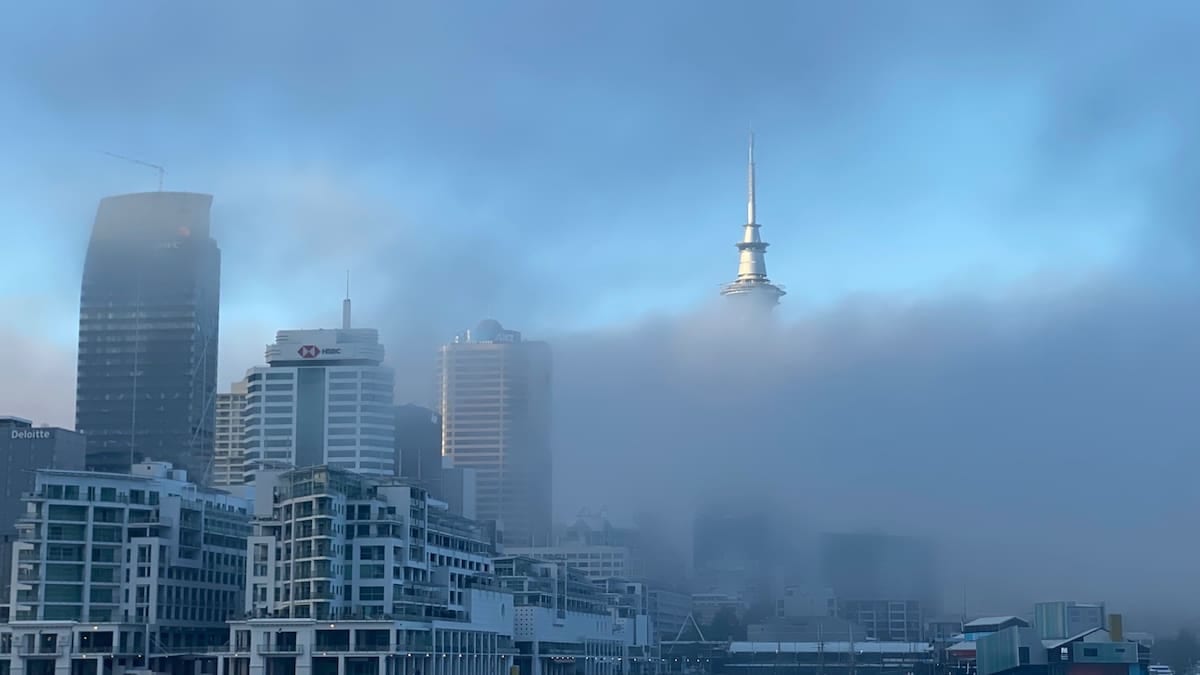
Early morning fog blankets key Dorset routes
The latest Met Office alert, valid from midnight to 10:00 on Sunday, covers much of southern England, including Bournemouth, Christchurch, Poole and the wider Dorset council area. The fog has developed under a zone of high pressure that brought lighter winds and clearer skies, allowing dense patches to form overnight and linger into the commuting period.
Publicly available information from the Met Office describes visibility varying significantly over short distances, with some locations experiencing less than 100 metres. Under the warning, slower road journeys are considered likely, and there is a possibility of disruption to bus and rail services where the fog is most persistent.
Forecast guidance indicates that, while the thickest fog is expected to lift gradually through the morning, some sheltered inland stretches may see murky conditions and low cloud hanging on longer than coastal areas. For residents and visitors planning day trips around Dorset, early departures are most affected, with conditions expected to improve toward late morning and early afternoon.
Drivers urged to allow extra time on A35 and A31 corridors
The yellow warning coincides with already busy traffic on major routes that cut across the county, including the A35 between Lyme Regis, Bridport, Dorchester, Poole and Bournemouth, and the A31 as it enters Dorset near Ferndown and links to the A35 toward the coast. These strategic roads carry both local commuters and longer-distance traffic between Devon, Dorset and Hampshire.
Travel information services highlight that reduced visibility is likely to mean lower driving speeds and longer journey times on exposed stretches and higher ground. On rural approaches to towns such as Dorchester, Bridport and Wareham, drivers are encountering sudden transitions from clearer air into dense banks of fog, particularly near river valleys and low-lying fields.
National Highways has separate overnight works scheduled along parts of the A31 between Bere Regis Roundabout and Roundhouse Roundabout during November, with diversions routed via the A35 and A350. Although these closures are planned for night-time hours, the combination of residual fog and changing layouts increases the need for careful navigation where works coincide with poor visibility.
Motoring advice referenced by the Met Office and the Highway Code emphasises using dipped headlights when visibility is seriously reduced, generally when drivers cannot see more than 100 metres ahead. Front and rear fog lights should only be used in genuinely dense fog and switched off once conditions improve, to avoid dazzling other road users.
Rail, bus and air passengers face localized delays
The warning also covers potential disruption to public transport, especially during the first wave of services out of Dorset’s main hubs. South Western Railway trains linking Weymouth, Dorchester and Poole to London Waterloo are operating against a backdrop of earlier speed restrictions elsewhere on the network due to weather, and the fog risk adds to the possibility of extended journey times on Sunday morning.
Recent updates on Dorset’s travel pages indicate that services may be thinned out on certain regional lines when visibility and signalling conditions require extra safety margins. While no widespread cancellations specific to the current fog have been confirmed, published coverage about recent yellow fog warnings across England notes that early trains can be subject to delays where drivers are required to proceed more cautiously.
Bus operators serving Bournemouth, Poole and Dorchester corridors are also affected where services traverse rural sections with dense fog patches. Timetables remain broadly in place, but journey trackers show slower running on routes that use the A35 and feeder B-roads into towns and seaside resorts, particularly before mid-morning when the fog is at its thickest.
Air passengers using Bournemouth Airport are advised via standard inclement-weather guidance to review flight status before departure when fog is in the forecast. Low cloud and poor visibility can require low-visibility procedures on the runway, increasing spacing between arrivals and departures and, in some cases, triggering diversions if conditions fall below operating limits for specific aircraft and crews.
How the Met Office yellow warning system works
The current alert forms part of the UK’s National Severe Weather Warning Service, which is designed to flag conditions that could affect everyday life and travel. A yellow warning is issued when weather has the potential to cause some disruption, with impacts such as slower road journeys, delays to bus and rail travel, and a chance of flight cancellations.
Met Office guidance explains that fog warnings are less frequent than those for wind or rain, largely because the phenomenon is highly localised and sensitive to small changes in temperature, cloud cover and wind speed. Fog is recorded when visibility falls below 1,000 metres, but the kind of dense patches prompting today’s warning can pull that down to under 100 metres, making it difficult to judge distances and hazards ahead.
Under the colour-coded system, yellow sits below the more serious amber and red categories but still signals that people may need to adapt plans. Official material encourages travellers to monitor warnings up to seven days in advance and to pay close attention to any changes in timing or affected areas, as fog can form or disperse rapidly when conditions shift.
For local authorities, transport operators and tourism businesses across Dorset, the service provides advance notice to adjust staffing, vehicle allocations and customer communications. Publicly available guidance stresses that, while many yellow warnings pass with only minor issues, impacts can be more pronounced where the fog coincides with peak travel times or ongoing infrastructure works.
What visitors and residents can do to stay mobile
For those travelling into or around Dorset while the warning is in effect, practical steps can help reduce disruption. Journey planners and mapping apps that incorporate live traffic and rail data provide an overview of congestion hotspots on the A35, A31 and urban ring roads around Bournemouth and Poole, making it easier to choose alternative departure times or routes.
Met Office travel advice also highlights the value of checking local forecasts for specific locations such as Weymouth, Portland, Dorchester and inland market towns, rather than relying only on a general regional outlook. Conditions along the Jurassic Coast can differ markedly from those a short distance inland, and fog may clear earlier near exposed headlands than in sheltered valleys.
For walkers and cyclists, the same low visibility that affects roads can make coastal paths and country lanes harder to navigate, particularly at dawn. Public safety information recommends carrying lights, reflective clothing and navigation aids, and being prepared to postpone or shorten outings if visibility is too poor to follow waymarked routes confidently.
With high pressure expected to remain influential across southern Britain into early November, the current pattern of calmer, drier weather may continue to favour overnight fog formation on select days. Travellers heading into Dorset over the coming week are therefore being encouraged by publicly available guidance to keep an eye on updated forecasts and be ready for further short-lived, early morning slowdowns on the county’s busy road and rail corridors.