


More news on this day
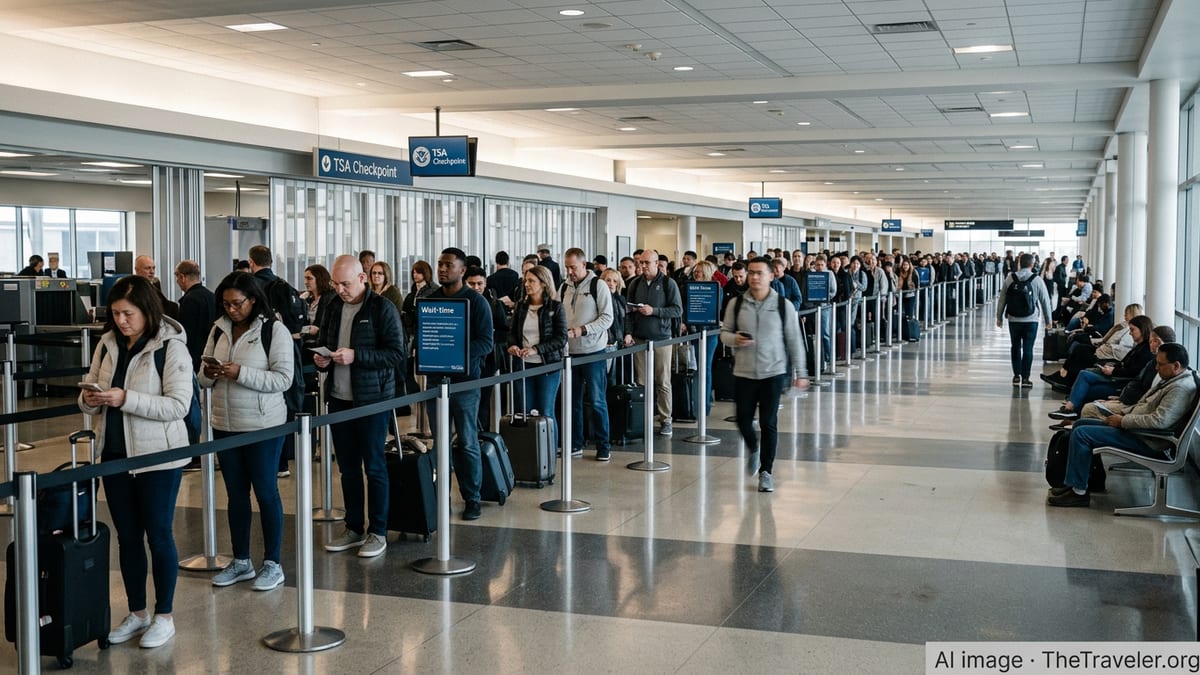
As Kuwait tightens its border controls in 2026, travelers are being urged to review a growing list of banned and tightly controlled items, with recent enforcement reports highlighting seizures of alcohol, pork products, certain medicines and other goods at Kuwait International Airport.
Get the latest news straight to your inbox!
Alcohol, Pork and “Immoral” Materials Under Zero-Tolerance Rules
Publicly available government and diplomatic guidance describes Kuwait as a country with zero tolerance for alcohol at the border. Travelers are not permitted to import alcoholic drinks in checked or hand luggage, and air carriers serving Kuwait warn that bottles may be confiscated and travelers exposed to legal consequences if alcohol is discovered on arrival. Reports also indicate that even alcohol contained in food products, such as certain chocolates or sauces, can trigger confiscation.
Pork and pork products are also on the prohibited list. Guidance from several foreign ministries notes that meat products and processed foods containing pork derivatives are not allowed through customs. Travelers bringing food from home, including cured meats, instant noodles, tinned goods or snacks that may contain pork gelatine or flavouring, risk having items seized during baggage screening.
Published advisories describe a broader category of goods that may be refused entry if considered contrary to Kuwait’s public morals laws. This includes pornography, media deemed sexually explicit, and material judged offensive to religion. Devices such as tablets and laptops are not routinely searched, but border authorities retain powers to inspect electronic content. Travelers are being advised in 2026 to keep entertainment libraries conservative and to avoid bringing printed material that could be interpreted as pornographic or blasphemous.
Travel information issued in 2026 also warns that displaying symbols, clothing or accessories promoting illegal drugs may be treated as an offence. According to updated guidance from the United Kingdom, wearing or using items that glorify narcotics can lead to fines even where no physical drugs are present, underscoring how broadly Kuwait applies its morality and drug-control laws.
Harsh Penalties for Drugs, Controlled Medicines and Vaping Products
Kuwait’s drug laws have become significantly tougher in the lead-up to 2026. Regional consular briefings note that revised narcotics legislation taking effect in December 2025 introduced stricter penalties, including the possible use of the death penalty in serious trafficking cases. Even small quantities of illegal drugs carried for personal use can result in years of imprisonment and substantial fines.
Travel advisories from North American and European governments in 2026 stress that some prescription medicines familiar to visitors may be classified as controlled substances in Kuwait. Painkillers, anti-anxiety medication, attention-deficit treatments and certain sleeping tablets can fall into this category. Customs authorities require original packaging, clear labels and, in some cases, a medical report or prescription. Public information from Canada and other states highlights that the General Administration of Customs closely scrutinises medication, and undeclared pills in unmarked containers are at high risk of seizure.
Travelers are therefore being strongly encouraged not to bring any medication that is not clearly essential and properly documented. Where advance verification is not possible, official travel pages advise consulting a healthcare professional and checking with the airline or diplomatic services before departure, rather than assuming a drug that is legal at home will be acceptable in Kuwait.
Rules around vaping and e-cigarettes have been evolving. Earlier customs circulars once signalled a prohibition on importing e-cigarette devices and refills, but later tobacco-control regulations, and specialist monitoring by tobacco-control groups, indicate that e-cigarettes are legal but subject to restrictions on sale and public use. At the same time, a 2026 notice from a foreign embassy in Kuwait referring to recent customs instructions highlights tighter controls on e-cigarette liquids and refills entering the country. In practice, this means that travelers who carry vaping devices or large quantities of nicotine liquid in their luggage may face questioning or confiscation at the border.
Weapons, Drones and Other Security-Sensitive Gear
Recent commercial and governmental trade guides for Kuwait list a broad range of weapons and related items as prohibited imports without special authorisation. This extends beyond firearms and live ammunition to include stun guns, tasers, pepper spray, certain knives, replica weapons and military-grade equipment. Updated information on Kuwaiti firearms legislation shows that even air guns have been subject to tighter regulation following amendments in 2025, reflecting a trend of closer scrutiny of anything that could be used as a weapon.
For travelers, the message in 2026 is clear: items that might be treated merely as sporting equipment elsewhere can cause serious problems on arrival in Kuwait. Hunting knives, martial-arts gear, realistic imitation weapons used for film or cosplay, and high-powered air rifles should not be packed in checked bags. Travel guidance also cautions against carrying spent cartridges or decorative items made from ammunition casings, as these can be misinterpreted during security screening.
Electronic items associated with surveillance or remote control are also attracting attention. Consumer drones, action cameras mounted on aircraft, and certain high-powered radio transmitters may be stopped at the border if not accompanied by permits from Kuwaiti authorities. With regional security tensions still elevated in 2026, travelers bringing aerial drones for recreational photography or content creation face an especially high likelihood of confiscation and potential fines.
Military, police and tactical-style kit raises similar concerns. Body armour plates, helmets, night-vision scopes and encrypted communications equipment appear on various shipping and customs lists as restricted or prohibited without licences. Travelers transiting for work in the defence, security or media sectors are being urged by their employers and diplomatic services to arrange formal clearances well in advance if such equipment is genuinely required.
Religious Material, Political Content and Cultural Sensitivities
Kuwait officially recognises a degree of religious plurality, but import rules still restrict certain religious items. Travel resources for 2026 explain that personal religious texts for private use are generally tolerated, yet large quantities of religious literature or materials intended for distribution can be confiscated. Items perceived as proselytising or undermining Islam fall under customs controls and may subject the carrier to questioning or deportation.
Political material is another sensitive area. While visitors may carry personal reading matter, observers note that publications advocating radical political change in the Gulf, content seen as inciting unrest, or items connected to banned organisations could attract attention at customs. Travelers are being advised to avoid bringing banners, posters or large bundles of printed material related to political campaigns or protests, particularly anything focused on domestic Kuwaiti politics or regional conflicts.
Publicly available information on Kuwait’s legal framework also highlights restrictions on freedom of expression and assembly. In practical terms, this means that clothing, badges or merchandise bearing slogans that could be read as inflammatory, sectarian or supportive of extremist groups may create difficulties at the border. Social-media scrutiny is more common after arrival than at customs itself, but devices can be checked when there is a legal basis to do so.
Cultural norms around modesty continue to shape how visitors are expected to present themselves. While there are no written customs regulations on dress in baggage, several governments’ travel pages recommend avoiding items such as garments with explicit imagery, profanity or drug-related branding. Reports from 2026 also note that importing sex toys or other intimate products can lead to seizure and embarrassment, as these are likely to be classified as immoral items.
Cash, Tech and Everyday Items That Can Still Cause Trouble
Beyond headline bans, Kuwait applies financial and customs-declaration rules that can surprise first-time visitors. Travelers entering with more than the equivalent of 3,000 Kuwaiti dinars in cash or negotiable instruments are expected to declare the funds in line with anti-money-laundering controls. Those arriving with undeclared high-value jewellery or gold may also face questions about the origin and purpose of the items, and customs officers have powers to impose duty or, in serious cases, to treat goods as commercial imports.
Technology and everyday electronics are widely used in Kuwait, but there are still pitfalls. Import rules cited in trade and courier documentation identify used medical equipment, certain communications devices and encryption technology as prohibited or restricted without prior approval. Travelers who rely on specialist medical devices, such as portable oxygen concentrators or insulin pumps, are encouraged by health and consular advisories to carry medical documentation to avoid delays at the airport.
Shipping guidance for Kuwait also lists an array of ordinary consumer goods that face partial or full bans when imported as cargo, including specific chemicals, flammable liquids, some cosmetics containing alcohol and a range of nicotine products. While personal quantities carried in luggage are not always treated in the same way as freight, the overlap means that travelers who mail belongings ahead or rely on courier services could encounter stricter checks than they expect.
International travel advice published in mid-2026 repeatedly underlines that Kuwait enforces its customs rules rigorously. Travelers found with prohibited items may be detained, fined, deported or, in the case of serious drug or weapons violations, prosecuted and imprisoned. Before flying to Kuwait in 2026, visitors are urged to cross-check their packing list against the latest guidance from their airline, their home government’s travel pages and the most recent public information from Kuwaiti customs, rather than relying on outdated forums or word-of-mouth.