


More news on this day
Passengers across Europe, North America and Asia faced widespread disruption on July 8, 2026, as Zurich Airport reported five flight cancellations and 135 delays, affecting carriers including Air Baltic, Austrian Airlines, Swiss and several regional operators.
Get the latest news straight to your inbox!
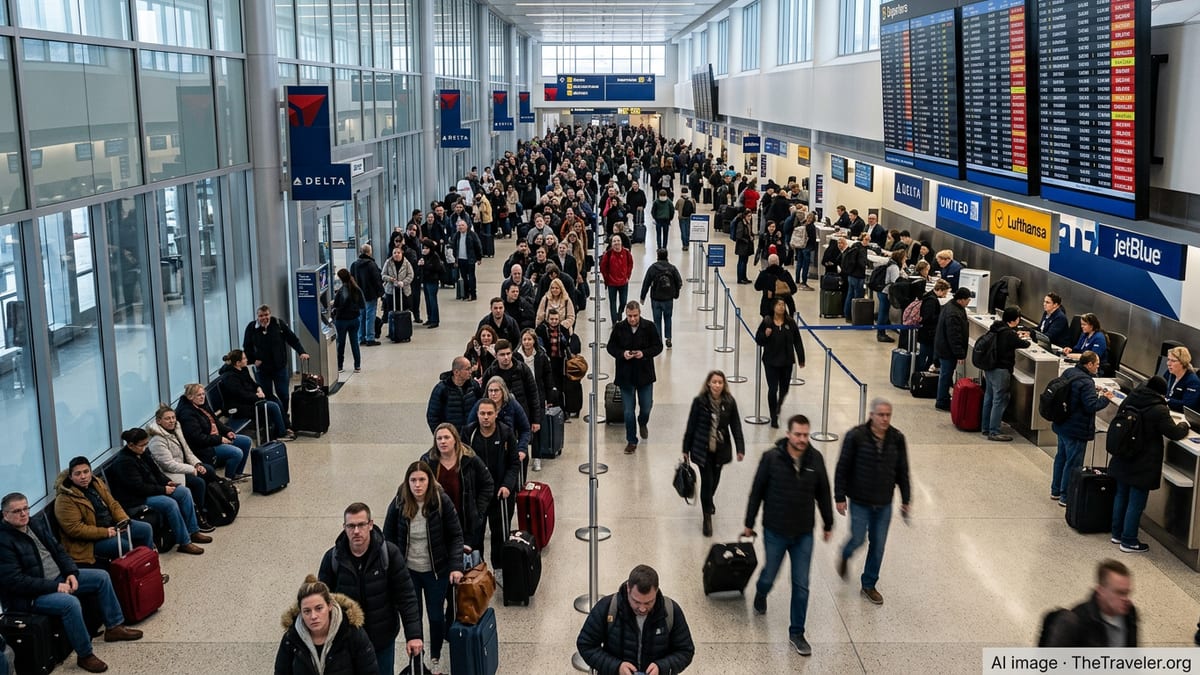
Operational Disruption at Switzerland’s Busiest Hub
Zurich Airport, also known as Zurich Kloten, experienced a sharp spike in irregular operations on July 8, with publicly available data indicating a combined total of five cancelled flights and 135 delayed services. The disruption rippled across one of Europe’s key transfer hubs, impacting both point to point traffic and connecting itineraries.
Reports indicate that affected routes included services to and from major markets such as Germany, Austria, the United Kingdom, Spain, Italy, Portugal and Croatia, as well as long haul links with North America and Asia. Travelers reported extended waits in departure halls, missed onward connections and last minute gate changes as the airport’s schedule backed up through the day.
Published coverage shows that the irregular operations added to an already challenging summer for Zurich, which has been contending with periodic congestion and reactionary delays linked to busy traffic levels across the wider European network. The latest figures underline how even a relatively small number of outright cancellations can trigger significant knock on effects when schedules are tight and aircraft utilization is high.
Airlines Most Affected, From Flag Carriers to Leisure Operators
Among the airlines most visibly caught up in the disruption were Swiss International Air Lines and its partner Edelweiss Air, which together account for a large share of movements at Zurich. Reports from flight tracking services show multiple Swiss operated services running behind schedule, while some short haul links were cancelled outright, forcing passengers onto later departures.
Regional and partner carriers also featured prominently in the day’s delay statistics. According to published data, Air Baltic, Helvetic Airways and TAP Air Portugal all recorded late operations from Zurich, with knock on impacts for aircraft rotations to cities across Europe. Austrian Airlines services on the busy Vienna Zurich corridor were affected by wider schedule pressure, with earlier days in July already showing tightly timed operations on the route.
Leisure traffic was not spared. Edelweiss flights serving Mediterranean holiday destinations and island gateways faced extended ground times, complicating travel plans at the height of the summer season. Travelers connecting from long haul services into these flights risked missed connections where minimum transfer times were no longer sufficient once delays accumulated.
Weather, Network Strain and Recent Technical Issues in Focus
While no single, overarching cause has been formally isolated for the July 8 disruption, recent patterns at Zurich point to a combination of weather related constraints, air traffic management challenges and network congestion. In late June, the airport experienced a series of delays and cancellations linked to heavy summer thunderstorms, which periodically restricted runway operations and forced arrivals into holding patterns.
In June, Swiss media coverage also highlighted a technical issue at Swiss air navigation service provider Skyguide that temporarily affected air traffic control operations and led to a reduction in capacity at Zurich. Although that specific incident was resolved, it underscored the sensitivity of the hub to any constraint in the airspace system at busy times of day.
European air traffic reports for spring 2026 have pointed to steadily rising traffic volumes, with Zurich among the airports experiencing higher average delay minutes per flight as schedules ramp back toward pre pandemic levels. When combined with convective summer weather and strict night flight restrictions that limit late operations at the airport, these factors leave limited room to recover when early delays begin to cascade through the timetable.
Knock On Effects for Long Haul and Connecting Passengers
The disruption at Zurich had particular implications for passengers relying on the airport as a transfer point between Europe and long haul destinations. Publicly available flight history data for routes such as Zurich to New York show recent days with extended departure delays and, in some instances, cancellations, highlighting how hub operations can be highly sensitive to earlier schedule disruptions.
Travelers connecting from regional European cities into intercontinental departures risked misconnecting when feeder flights arrived late. In several cases, passengers faced rebooking onto next day services or rerouting via alternative hubs in Germany, Austria or the United Kingdom, lengthening total journey times by many hours.
Those arriving in Zurich on delayed long haul flights also encountered challenges when onward European connections had already departed or were themselves rescheduled. With aircraft and crew out of position, airlines had to adjust rotations, sometimes substituting equipment or consolidating services, which added further complexity for baggage handling and seat assignments.
What Passengers Can Do When Cancellations and Delays Hit
The latest disruption highlights the importance for travelers of monitoring flight status closely when passing through major hubs such as Zurich, particularly during the busy summer period. Airlines and airports provide live information on departure and arrival times, gate changes and estimated delays, which can help passengers adjust their plans early if connections appear at risk.
Under European Union rules that apply to flights departing from Switzerland operated by European carriers, passengers on significantly delayed or cancelled flights may, in some circumstances, be entitled to care, rerouting or financial compensation, depending on the length of delay, distance of the route and cause of the disruption. Publicly accessible consumer resources recommend that travelers keep boarding passes, receipts and written confirmation of any disruption when considering a claim.
Industry analysts note that, with air traffic volumes climbing and capacity at many European hubs already tight, episodes such as the one recorded at Zurich on July 8 are likely to recur through the peak season. Travelers planning itineraries that rely on tight connections may wish to build in additional buffer time, particularly where onward segments involve long haul services or the last flight of the day to a given destination.