


More news on this day
More than 16,600 passengers bound for Saudi Arabia have been left stranded in Dhaka after 107 flights to Riyadh and Dammam were cancelled in less than a week, as regional security tensions continue to disrupt aviation links with the kingdom.
Get the latest news straight to your inbox!
Wave of cancellations on Dhaka–Saudi routes
Publicly available data from Bangladesh’s Civil Aviation Authority indicates that between October 10 and Friday, October 16, a total of 107 flights from Dhaka to Saudi Arabia’s Riyadh and Dammam airports were cancelled after operations at the two Saudi gateways were disrupted. The cancellations cover both point to point services and one stop connections for Bangladeshi workers and pilgrims heading to the Gulf.
Reports from Dhaka-based outlets state that 44 of the cancelled services were direct flights, including 17 operated by Biman Bangladesh Airlines, 10 by US Bangla Airlines, 10 by Saudia and 7 by Riyadh Air. A further 63 cancelled departures were on itineraries requiring a change of aircraft at regional hubs, affecting passengers ticketed on IndiGo, SalamAir, EgyptAir, Emirates, Qatar Airways, flydubai and Air India.
Using average seat counts for the aircraft normally deployed on these routes, authorities in Dhaka have estimated that 16,620 ticketed passengers have so far been unable to travel. The figure includes large numbers of Bangladeshi expatriate workers returning to jobs in the Gulf, as well as visitors with family, business and religious travel plans.
Officials in charge of airport operations in Dhaka have indicated through public statements that cancellations will continue as long as restrictions on arrivals and departures at the affected Saudi airports remain in place.
Riyadh and Dammam disruptions tied to wider security crisis
The disruption in Dhaka is closely linked to a broader aviation crisis affecting Saudi Arabia following recent projectile attacks targeting Riyadh’s King Khalid International Airport. According to coverage from regional business and international news outlets, the weekend strikes damaged airport infrastructure and several parked aircraft and led to a temporary halt in passenger flights at the capital’s main gateway.
Notices to airmen issued in the days after the attacks set out time limited closures and operating restrictions for Riyadh, while airlines and flight tracking data pointed to widespread cancellations across the country’s network. Gulf based carriers have confirmed through public updates that flights to Riyadh have been suspended for varying periods, with some operators also adjusting services to Dammam and Jeddah while assessing security and airspace risks.
Travel industry reporting shows that the knock on effect of these measures has been significant for labor sending countries such as Bangladesh, India and the Philippines, where large communities depend on scheduled links to Saudi Arabia for employment and family visits. For many of these passengers, itineraries involve a combination of local carriers for the first leg from Dhaka and onward connections operated by Gulf or Saudi airlines, magnifying the impact of any disruption at Saudi hubs.
Analysts following the region’s aviation sector note that the current episode builds on months of heightened volatility across Middle Eastern air corridors, which have already seen rerouted flights, reduced frequencies and spikes in travel times on popular routes between Asia, the Gulf and Europe.
Stranded passengers face visa, job and cost pressures
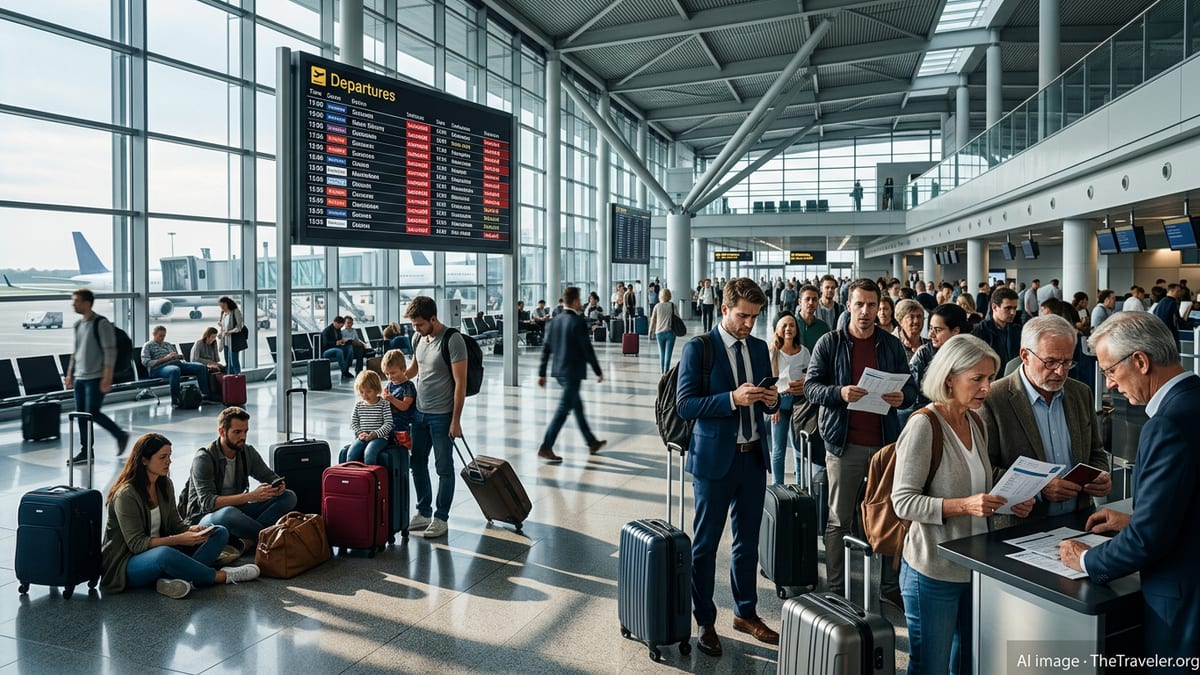
At Dhaka’s Hazrat Shahjalal International Airport, images and local coverage over recent days have shown crowds of passengers waiting outside airline offices and terminal entrances, many carrying documents indicating imminent visa expiry or close return to work deadlines. For Bangladeshi expatriate workers holding Saudi residence permits, delays can translate into missed joining dates, potential salary losses and the need to secure new exit and entry clearances.
Migrant welfare officials and travel industry representatives quoted in domestic media have described growing anxiety among would be travelers who have already spent substantial sums on recruitment, tickets and pre departure formalities. Some passengers are reported to be staying with relatives in Dhaka while they wait for rebooking options, while others have returned to their home districts with instructions to remain on standby for new flight dates.
The concentration of cancellations into a short time frame has also limited immediate alternatives. With most carriers serving Saudi Arabia either suspending flights or operating on reduced schedules, rebooking onto nearby dates has proved difficult. Public advisories reviewed by TheTraveler.org show that several airlines are prioritizing passengers based on original departure date and fare conditions, and are encouraging travelers not to come to the airport unless they hold confirmed seats.
For those attempting to bypass the disruption by routing through other Gulf hubs such as Doha, Dubai or Bahrain, published fare searches indicate that prices on remaining seats have risen sharply compared with early October levels, reflecting constrained capacity and strong demand from stranded passengers across the region.
Airlines and regulators outline rebooking and refund options
According to airline notices issued in recent days, affected passengers on Dhaka–Saudi routes are being offered a mix of free date changes, vouchers and refunds, depending on carrier policy and ticket type. Biman Bangladesh Airlines has published guidance stating that travelers booked on cancelled flights to Riyadh and Dammam may rebook within a defined period without change fees, subject to seat availability, or request refunds through original points of sale.
Private Bangladeshi carrier US Bangla Airlines has circulated similar options through its customer channels, noting that schedule recovery will depend on when Saudi airports are able to accept regular arrivals again. International airlines that were due to carry Dhaka originating passengers onward from regional hubs, including Emirates, Qatar Airways and IndiGo, have issued global travel waivers covering Saudi sectors and selected connecting itineraries.
Bangladesh’s civil aviation regulator has used public announcements and its official communication channels to urge passengers to stay in close touch with airlines or accredited travel agents before travelling to the airport. The guidance emphasizes that seats on replacement flights are limited and that processing large numbers of refunds and rebookings may take several days.
Consumer advocates in Dhaka note that, while local law requires airlines to provide refunds when flights are cancelled, there is less clarity around compensation in cases where disruption stems from security incidents or foreign airport closures. Travelers are being encouraged through media campaigns to retain all documentation, including boarding passes, payment receipts and written notices of cancellation, to support any future claims.
What travelers should know before flying to or via Saudi Arabia
With more than 100 flights cancelled in under a week and thousands of passengers still waiting for alternative arrangements, travel advisers are urging anyone booked to fly to, from or through Saudi Arabia in the coming days to prepare for continued uncertainty. Publicly available guidance from airlines serving the kingdom stresses the importance of checking flight status repeatedly in the 24 hours before departure and enabling notifications in airline apps or booking profiles.
Given the evolving security picture and the possibility of further short notice schedule changes, passengers planning time sensitive journeys, such as job start dates or onward international connections, are being encouraged in media commentary to build in extra buffer days where possible and to consider fully flexible fares that offer more generous change terms.
For migrant workers and other travelers without flexibility, local recruitment agencies and community organizations in Bangladesh and other labor sending countries have been amplifying airline and government travel advisories. These groups are relaying information on which routes are currently operating, approximate timelines for the resumption of Riyadh services and practical steps for safeguarding employment and visa status during unexpected delays.
While there are early indications that some Saudi airports outside Riyadh are gradually restoring more regular operations, published data and aviation industry reporting suggest that schedules to and from the kingdom will remain fragile in the short term. For the 16,620 passengers already stranded by the cancellation of 107 Dhaka–Saudi flights, the priority remains securing confirmed seats on replacement services as airlines and regulators work to rebuild a stable flight programme.