


More news on this day
A minor derailment involving the historic 1880 Train in South Dakota has led to the cancellation of a popular “Train Robbery” excursion in the Black Hills, prompting itinerary changes for peak-season visitors but no reports of serious injury.
Get the latest news straight to your inbox!
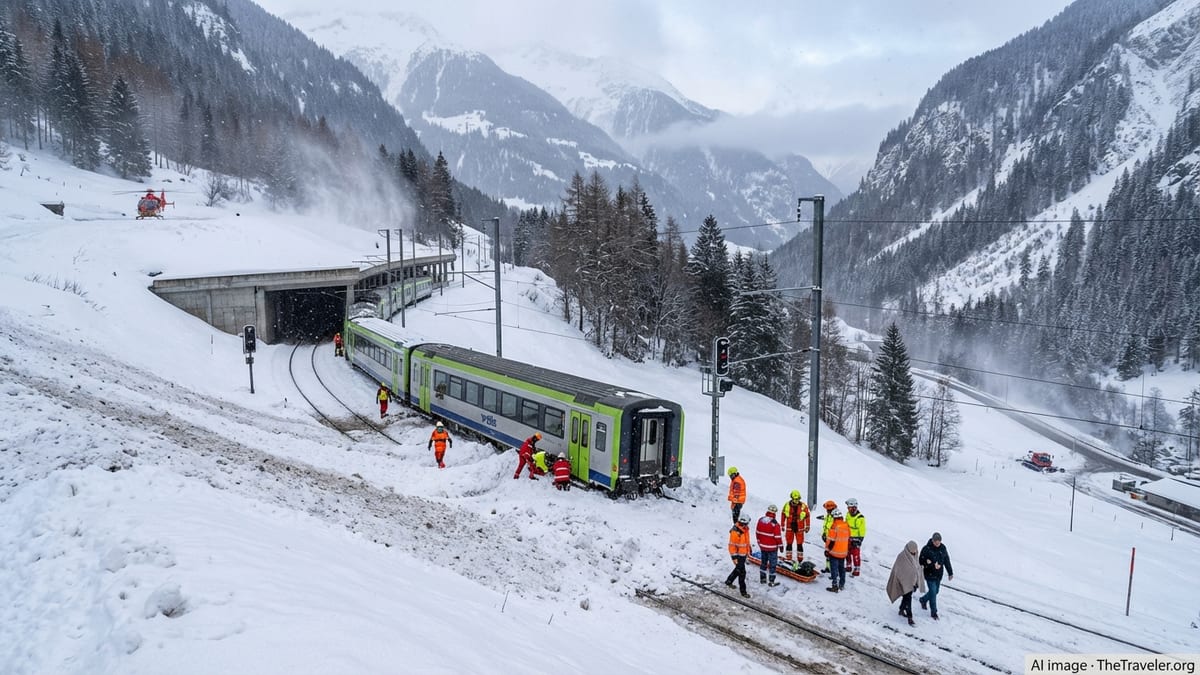
Heritage Excursion Disrupted in Peak Summer Season
The 1880 Train, a long-running heritage railroad in the Black Hills, experienced a derailment that has temporarily sidelined at least one of its themed rides. Publicly available information shared on regional discussion forums indicates the incident occurred during the busy midsummer period, affecting a scheduled Train Robbery event that blends live entertainment with a scenic ride between Hill City and Keystone.
The Black Hills Central Railroad, which operates the 1880 Train, has been a staple of South Dakota tourism for decades, offering narrated trips through forested hills and granite outcrops. Themed excursions such as holiday specials, wine trains and mock robberies have become an important draw for families and tour groups, often selling out during the warmest months of the year.
The derailment adds an unexpected complication for travelers who plan their itineraries around timed departures and special events. Many visitors combine the train experience with stops at Mount Rushmore, Crazy Horse Memorial and nearby hiking areas, meaning even a single canceled departure can ripple through tightly scheduled vacations.
Reports Describe Limited Damage and Localized Impact
Early accounts circulating in local online communities describe the derailment as relatively minor, with railcars leaving the track at low speed. These reports do not indicate extensive damage to rolling stock or track, and there have been no publicly reported life-threatening injuries connected to the incident.
Rail preservation projects such as the 1880 Train operate vintage or historically styled equipment that often runs on challenging alignments inherited from industrial-era railroads. While these lines are maintained to modern standards, slow-speed derailments and track incidents can still occur, particularly during busy operating periods when trains make multiple daily trips.
In this case, the most immediate consequence appears to be operational rather than structural, centered on the decision to cancel the Train Robbery ride scheduled for July 12. That event typically features period costumes and staged hold-ups designed to evoke Black Hills history for passengers on board.
Cancellation of Train Robbery Event Frustrates Visitors
According to publicly visible social media and forum posts, the derailment prompted organizers to cancel the July 12 Train Robbery excursion, a themed ride that has gained a following among repeat visitors and regional residents. The cancellation came as a disappointment to travelers who had planned their Black Hills stay around the experience, especially families with children drawn to the Wild West storyline.
The Train Robbery concept aligns closely with the mythic image of the Black Hills as a frontier landscape shaped by prospectors, outlaws and lawmen. On normal operating days, performers board the 1880 Train mid-journey, staging a lighthearted robbery that ends with photos and meet-and-greet opportunities. The loss of one of these departures represents a notable gap in the local events calendar, particularly on a prime summer weekend.
Public-facing comments suggest that some visitors have been reworking their schedules by substituting standard sightseeing trips or other Black Hills attractions in place of the canceled ride. Others appear to be exploring alternate dates later in the season if and when the themed trains return to operation.
Tourism and Safety in the Black Hills Rail Corridor
The derailment underscores the delicate balance between tourism appeal and operational safety in one of South Dakota’s most visited corridors. The rail line used by the 1880 Train dates back to the mining era and winds through tight curves and grades that make for dramatic scenery but demand careful handling of locomotives and cars.
Public documents describing the Black Hills Central Railroad characterize it as a seasonal tourist operation, typically running from early May into October. Trains share the landscape with busy highways, trailheads and national forest campgrounds, and the rail experience is often marketed as a slower, more nostalgic complement to driving.
Recent academic and industry analyses of rail safety note that derailments, while relatively rare in passenger operations, remain a central focus of risk management. For heritage lines, this often translates into ongoing investment in track maintenance, staff training and operating practices intended to minimize the impact of any incident that does occur.
Uncertain Short-Term Outlook for Special Excursions
As of mid-July, publicly available information has not yet clarified how long special excursions on the 1880 Train might be affected. The cancellation of the Train Robbery ride indicates that at least some departures are on hold while crews assess equipment and track conditions and work to restore regular service.
Travelers with upcoming plans in the Black Hills are monitoring official channels and local coverage for updates on scheduling. Many visitors book train tickets as part of broader itineraries that include lodging, park reservations and other timed activities, increasing the importance of early notice when changes occur.
The derailment arrives at a moment when interest in scenic rail experiences remains strong, with heritage lines across the United States reporting steady demand for family-friendly excursions and historical interpretations. The 1880 Train’s long history and central location in the Black Hills suggest that, once safety checks and repairs are complete, the line will continue to play a prominent role in the region’s tourism economy, even as this incident serves as a reminder of the challenges inherent in running vintage-style rail operations.