


More news on this day
An American Airlines Airbus A321 operating as flight AAL2409 from Charlotte Douglas International Airport to Dallas Fort Worth International Airport diverted to Houston on July 12, 2026, after an unexpected disruption during its evening journey across the southern United States.
Get the latest news straight to your inbox!
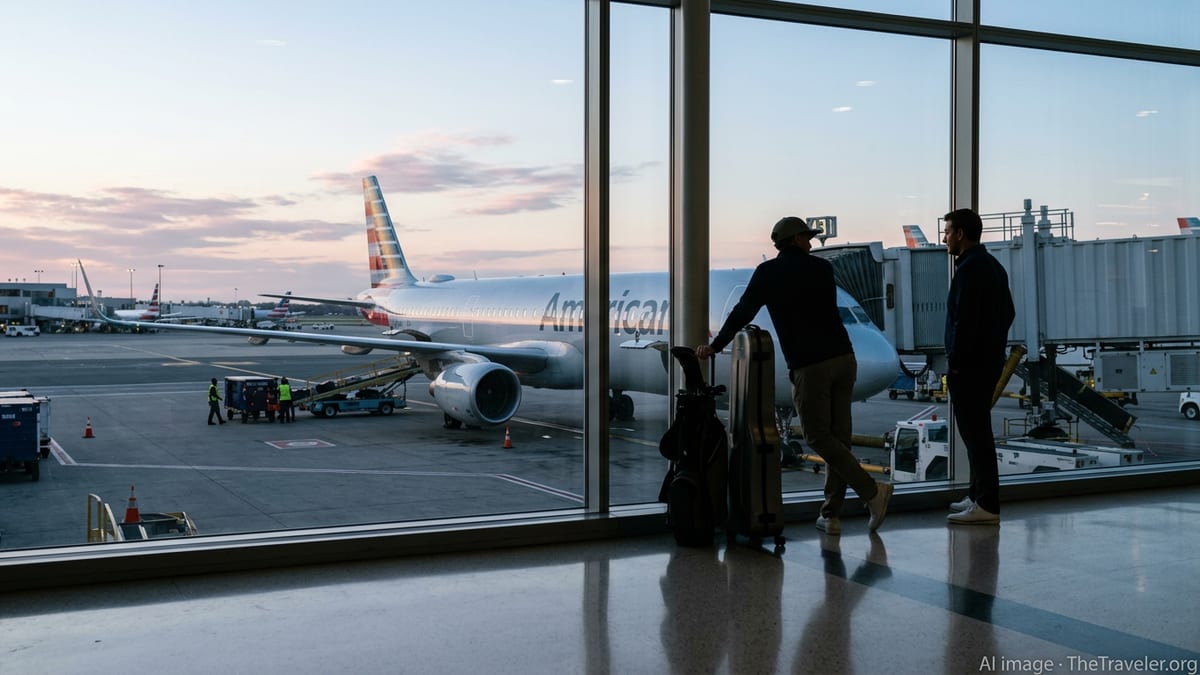
Unscheduled Landing Interrupts Charlotte to Dallas Service
Publicly available flight-tracking data shows that the Airbus A321-231, operating under the flight number AAL2409, departed Charlotte on the evening of July 12 with Dallas Fort Worth listed as its intended destination. Partway through the flight, the aircraft changed course and proceeded toward Houston, where it landed instead of continuing to north Texas.
Flight history records for the registration and route indicate that the aircraft was scheduled to operate a routine domestic sector linking two of American Airlines’ largest hubs. The diversion converted what is usually a straightforward hop into a multi-stage journey for those on board, as onward travel required new arrangements from Houston.
Tracking timelines for the aircraft show a standard climb and cruise phase out of Charlotte before the route arc bends away from the Dallas area toward Houston. The data also reflects a normal descent profile into the Houston area, suggesting a controlled and orderly approach and landing despite the disruption to the original plan.
At the time of writing, publicly accessible operational databases list the flight as having diverted and completed its journey on the ground in Houston. The specific nature of the disruption that led to the decision to divert has not been detailed in the information available to travelers and the public.
Operational Factors Behind Mid-Route Diversions
Diverting a flight away from its planned destination is a standard tool available to flight crews and airline operations teams when conditions require a change. Reasons can include weather systems affecting the destination airport, runway or airspace congestion, medical situations involving passengers or crew, or technical issues detected during the flight.
In the corridor between Charlotte, Dallas, and Houston, summer schedules frequently intersect with convective weather, creating clusters of thunderstorms that can lead to ground stops or arrival metering at major hubs. Industry-wide flight status platforms for recent weeks have reflected recurring delays, cancellations, and diversions affecting Dallas Fort Worth in particular during periods of unsettled weather in north Texas.
A diversion to Houston places the aircraft at another large airport with extensive American Airlines and partner operations, allowing for ground support, potential maintenance inspections if needed, and options to rebook passengers on later flights. Major carriers design their hub networks so that alternate airports like Houston can absorb disrupted operations when primary hubs encounter constraints.
Airline operations manuals and federal guidance emphasize that precautionary decisions in the face of uncertain conditions are a key part of safe commercial flying. The available data for AAL2409 points to such a decision-making process, with the crew and operations center opting for a diversion that kept the flight within range of robust infrastructure and support.
Impact on Passengers and Downline Schedules
For the travelers booked on AAL2409, the diversion translated into extended journey times and the need for new travel plans from Houston to their final destinations. Online discussions about recent disruptions in the region suggest that many passengers on affected flights across multiple dates have encountered missed connections, overnight stays, and rebooking onto later services when diversions or ground holds occur at major hubs.
When a flight diverts, airlines typically re-accommodate passengers on the next available services along their intended route, subject to seat availability and crew time limitations. In a hub environment like Dallas, where banks of connecting flights depart in concentrated waves, a missed arrival window can cascade into significant delays, particularly for long-haul and international connections.
Operationally, the diversion of an Airbus A321 from Charlotte to Dallas also affects the aircraft’s onward schedule. The jet may have been assigned to operate a subsequent leg out of Dallas, and its unplanned arrival in Houston requires dispatch teams to adjust aircraft rotations, crew assignments, and gate planning across the network.
Industry tracking tools in recent months have highlighted the sensitivity of hub-and-spoke systems to such disruptions. Even a small number of diversions on a busy travel day can ripple through an airline’s timetable, influencing departure times and equipment assignments well beyond the original city pair.
Patterns of Summer Disruption Across the Sun Belt
The diversion of AAL2409 fits into a broader pattern of summer operational challenges across the southern United States. Crowded skies, intense thunderstorm activity, and high airport utilization levels in cities such as Charlotte, Dallas, and Houston have combined to test airline schedules and passenger patience.
Reports from travelers on multiple carriers in recent weeks describe extended tarmac waits, unscheduled refueling stops, and diversions to alternate airports while storms pass over key hubs. Data from real-time flight monitoring services similarly shows spikes in route deviations and irregular operations on days when convective weather is forecast along major domestic corridors.
For airlines, one mitigation strategy involves proactively scheduling holding fuel and identifying alternates in advance when forecasts point to probable restrictions. Diversions like that of AAL2409 can therefore be the result of pre-planned contingencies activating once certain thresholds are reached in actual weather or traffic conditions en route.
While frustrating for those on board, aviation safety specialists consistently note that such interruptions are a byproduct of conservative decision-making in a complex operating environment. The controlled diversion of a fully functioning aircraft to a well-equipped airport is considered a successful outcome when conditions at the original destination become uncertain.
What Travelers Can Learn From the AAL2409 Diversion
The experience of AAL2409 underscores several practical lessons for passengers flying through weather-prone hubs. Flexible itineraries that allow longer connection times can provide a buffer when diversions or ground stops occur, particularly during peak summer months when afternoon and evening storm patterns are common.
Travelers can also benefit from monitoring both their specific flight and the wider situation at destination airports through official airline channels and recognized flight-tracking services. Broader patterns of delay or rerouting into a hub can signal that an individual flight is more likely to face changes as operations adjust in real time.
In addition, planning for contingencies on the ground, such as potential overnight stays or rebooked connections, may help reduce stress when unexpected events like diversions take place. Many experienced travelers in recent months have described adjusting their packing, insurance choices, and same-day commitments to account for the increased volatility of summer travel.
As airlines continue to refine their operational playbooks for dealing with severe weather and high traffic volumes, diversions of otherwise routine domestic flights such as AAL2409 will remain a visible part of how the system protects safety while working to keep people moving across the network.