

More news on this day
A new ₹450 crore luxury convention hotel by Residency Hotels is emerging as one of Madurai’s most ambitious hospitality projects to date, promising to reshape how visitors experience stays, weddings and corporate events in the historic temple city.
Get the latest news straight to your inbox!
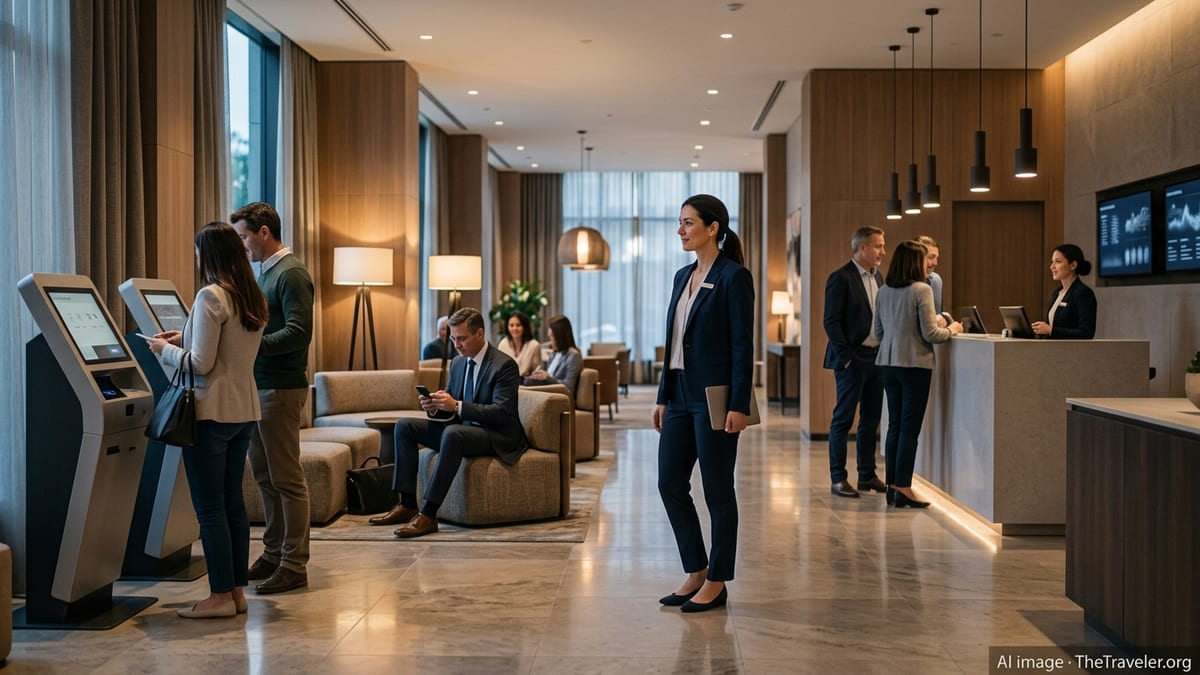
Big-ticket investment brings convention-scale ambition to Madurai
Publicly available project information indicates that The Residency Group of Hotels is backing a large mixed-use hospitality development in Madurai, combining an upscale hotel block with a substantial convention and events complex. Industry reports describe the Madurai project as one of the chain’s most significant investments outside the major metros, with overall spending for rooms and meeting infrastructure positioned in the ₹450 crore range when land, construction and fit-out are taken together.
The development is part of a wider expansion strategy for the Chennai-based group, which has been steadily adding properties across South India in destinations such as Coimbatore, Puducherry, Karur and Rameswaram. In Madurai, the focus is firmly on building a destination-capable convention address that can host large-format weddings, social celebrations and corporate gatherings while still catering to independent leisure travellers and pilgrimage visitors.
Project data circulated in trade coverage points to a hotel with close to 200 guest rooms paired with a purpose-built convention facility offering tens of thousands of square feet of pillar-free indoor space and landscaped outdoor areas. This configuration is designed to accommodate multiple concurrent events, from residential conferences and product launches to multi-day family functions.
By placing a high-capacity convention centre at the heart of the investment, the backers are directly targeting the growth of India’s domestic meetings, incentives, conferences and exhibitions segment in tier-two cities. Madurai’s existing inventory of banquet halls and mid-scale hotel ballrooms has grown over the past decade, but the scale of this new project marks a step change in what the city can host under one roof.
Residency Signature Madurai positions itself as an events hub
The hotel component, operated under the Residency Signature Madurai branding, is already marketed as a luxury property with direct connectivity to an integrated convention complex. Booking platforms and brand materials describe a full-service spa, premium dining and an extensive spread of meeting and event venues that collectively align the project with larger metropolitan convention hotels rather than traditional pilgrimage stays.
According to published descriptions of the events offering, the combined hotel and convention centre provides close to 80,000 square feet of event space spread across ballrooms, pre-function areas, smaller meeting rooms and a dedicated convention block. This scale allows the property to cater simultaneously to grand South Indian weddings, high-profile social functions, trade events and corporate offsites, all within a self-contained campus on the outskirts of the city.
The meeting infrastructure is complemented by upgraded guest facilities aimed at both business and leisure segments. Room categories highlight contemporary interiors, business-focused amenities and higher-end suites positioned for wedding parties, corporate leadership teams and international visitors seeking more space and privacy during multi-day events.
For Madurai, which has long relied on mid-range city-centre hotels clustered around the Meenakshi Amman Temple and the railway station, this shift toward a resort-style convention address on a broader land parcel offers a different proposition. It gives planners the option of hosting large residential events without splitting guests across multiple properties or navigating congested central streets for every function.
Temple tourism city evolves into a meetings and wedding destination
Madurai’s hospitality market has traditionally been built around pilgrimage, with steady year-round demand driven by the Meenakshi Amman Temple, other heritage sites and intra-state business travel. Over the past decade, upgraded properties and heritage-style resorts have added more comfort and lifestyle appeal, but the city has had relatively limited capacity for truly large, integrated events compared with Chennai or Bengaluru.
The arrival of a ₹450 crore-scale convention hotel indicates that developers see scope to broaden Madurai’s profile from transit and temple tourism to a more diversified destination that includes destination weddings, corporate retreats and regional conferences. Travel industry observers note that the city’s air and rail connectivity, combined with its cultural cachet, make it particularly attractive for families seeking a spiritually resonant yet modern setting for multi-day celebrations.
In practical terms, a convention-oriented luxury hotel can alter visitor patterns. Guests attending weddings or conferences at such a property are more likely to extend stays for sightseeing, visit nearby heritage sites and explore day trips to locations such as Rameswaram or Kodaikanal. That, in turn, can spread tourism spending more evenly across seasons and help local operators move beyond short overnight stays.
The project also reflects a broader trend of high-end hospitality investments moving into tier-two and tier-three Indian cities as land costs in metros rise and domestic travel demand deepens. Madurai’s combination of religious tourism, educational institutions and growing medical and industrial activity positions it as a natural candidate for this next wave of hotel development.
Ripple effects for local hospitality and event ecosystems
The scale of the new Residency-branded convention hotel is expected to influence how the wider hospitality market in Madurai evolves over the coming years. Analysts tracking the sector suggest that a marquee property with significant banqueting capacity can set new benchmarks for service levels, event production standards and room rates, encouraging existing hotels and standalone marriage halls to invest in upgrades.
Local suppliers serving the weddings and events ecosystem, from decor and audio-visual providers to catering partners and transport operators, are also likely to see new opportunities as larger, more complex events come into the city. A convention hotel of this size typically collaborates with a network of specialist vendors, which can expand the market for professional event services in and around Madurai.
At the same time, increased competition at the top end of the market can stimulate differentiation among mid-range and budget hotels. Properties closer to the temple and railway station may lean further into value-driven pilgrimage packages, quick-turnover business stays or partnerships with tour operators, while the convention hotel focuses on destination events and higher-spend travellers.
Urban observers note that large hospitality projects on city peripheries can also influence infrastructure priorities, from road improvements to street lighting and public transport enhancements, as authorities respond to shifting traffic and visitor flows. Over time, such developments can help redistribute tourism pressure away from heavily congested heritage cores while still keeping the city’s cultural landmarks central to the visitor experience.
What travelers can expect from Madurai’s new flagship stay
For future guests, the most immediate impact of the Residency Hotels investment is a wider choice of stay experiences in Madurai. The convention-focused property offers an option for travellers seeking a more resort-like setting with landscaped grounds, multiple dining outlets and on-site wellness facilities, in contrast to compact urban hotels near the old town.
Leisure travellers may see more bundled offerings that combine temple visits and heritage walks with spa sessions, curated dining and curated cultural programs hosted within the hotel. For wedding parties and corporate groups, the ability to host ceremonies, receptions, meetings and after-hours social events within a single campus simplifies logistics and reduces time spent moving around the city.
As the project ramps up its positioning as a luxury convention address, industry watchers expect Madurai to feature more prominently on destination shortlists for South Indian weddings and regional conferences. That visibility could, over time, attract additional branded hotels and niche accommodations, reinforcing the city’s shift from a purely pilgrimage-led market toward a multi-dimensional travel destination.
While mid-market and budget properties will remain essential to serving the city’s large base of domestic pilgrims and business travellers, the ₹450 crore Residency Hotels project signals that Madurai is ready to compete for higher-yield segments of India’s fast-evolving travel economy.