


More news on this day
WestJet has begun ramping up its flight schedule after reaching a tentative agreement with its flight attendants on Monday, bringing an end to a disruptive strike that upended travel plans for thousands of passengers during a peak summer holiday period.
Get the latest news straight to your inbox!
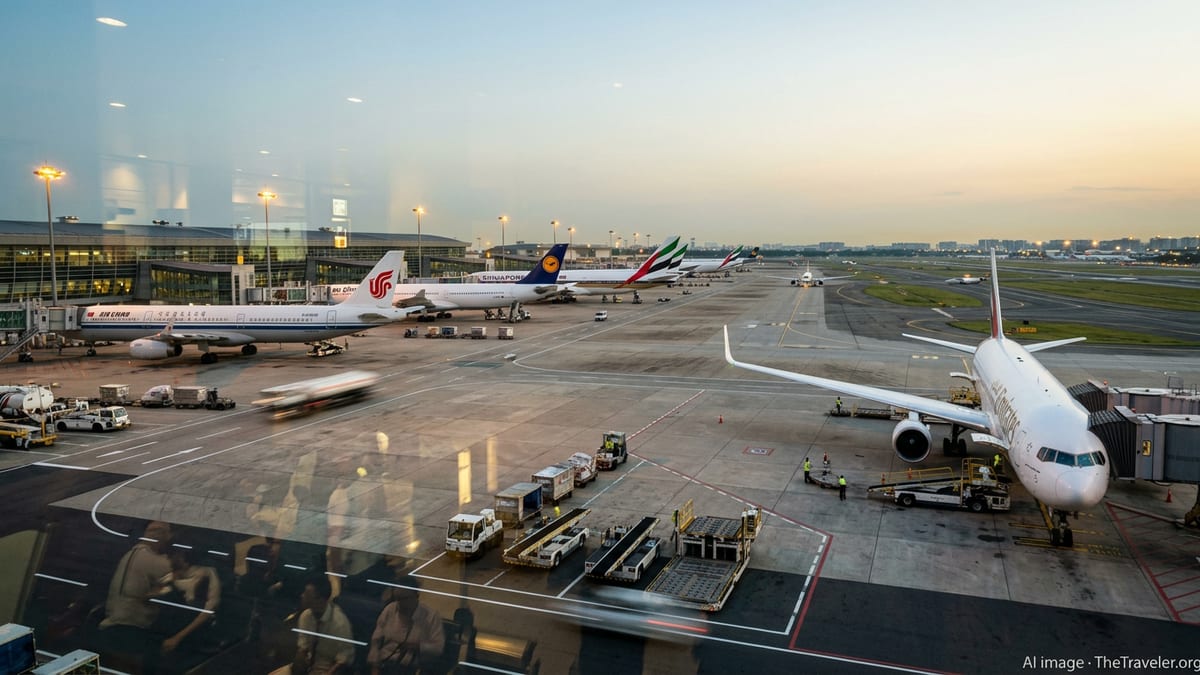
Gradual Return to Service Across Canadian Network
Publicly available flight-tracking data and airline updates indicate that WestJet is progressively restoring services across its domestic and transborder network, following widespread cancellations over the long weekend. The carrier had sharply reduced operations as the strike by more than 4,000 cabin crew led to hundreds of grounded flights and stranded travelers at major hubs including Calgary, Vancouver and Toronto.
Schedules for the days ahead show a marked increase in planned departures compared with the weekend, although the airline is not yet back to normal levels. Industry observers note that aircraft and crew are still out of position after several days of disruption, which typically results in rolling delays and isolated cancellations even after a work stoppage formally ends.
Operational updates shared through public channels emphasize that safety-critical processes, such as maintenance checks and crew duty-time rules, are being followed as flights are added back. Aviation analysts caution that while the strike has ended, it may take several days before passengers experience the kind of reliability usually expected in mid-summer.
Airline scheduling specialists point out that a ramp-up after a sudden shutdown is especially complex for a carrier with a hub-and-spoke model. Aircraft must be redistributed to key cities, reserve crews activated and catering, ground handling and airport staffing scaled up in parallel with returning flights.
Holiday Weekend Disruption Leaves Travelers Scrambling
The tentative deal comes after a brief but high-impact walkout that coincided with a long August weekend in Canada, one of the busiest travel periods of the summer. Published coverage and passenger accounts describe long lines at airport check-in counters, crowded rebooking desks and families seeking last-minute alternatives after cancellations were announced with limited notice.
Many travelers were reported to have been rebooked days later than originally planned or shifted to late-night and early-morning departures as the airline attempted to consolidate remaining capacity. Some passengers turned to rival carriers or overland transport options when it became clear that same-day alternatives were unavailable.
Consumer advocates cited in media reports have renewed calls for clearer communications during major disruptions, noting that information about flight status, refund options and hotel arrangements can be difficult to access when thousands of passengers are affected at once. They argue that the WestJet incident underscores ongoing challenges in ensuring passengers receive timely updates and practical assistance during labour disputes.
Travel industry analysts add that the timing of the stoppage amplified its impact. With flights over the holiday weekend already heavily booked, there was limited spare capacity in the broader market to absorb displaced WestJet customers, leading to higher fares and fewer options for those trying to complete essential trips.
What the Tentative Agreement Means for Cabin Crew
According to union statements and media summaries, the tentative agreement addresses long-running concerns among flight attendants about compensation for work performed on the ground, including preboarding duties and post-flight tasks. The issue of pay for ground time has been a central point in several recent airline labour disputes in North America and has become a focal topic for cabin crew unions.
Reports indicate that the proposed deal includes recognition of at least some aspects of that ground work within the overall pay structure, alongside wage increases and adjustments to scheduling rules. Detailed terms have not been fully published, and the agreement remains subject to a ratification vote by union members in the coming days.
Labour specialists note that the outcome will likely be watched closely by other aviation unions, particularly in Canada, where flight attendants at major carriers have pressed for compensation models that better reflect all hours on duty. The tentative deal at WestJet may set a reference point for future bargaining, even if the final terms are unique to this airline and union.
Until the ratification process is complete, the agreement remains provisional. However, both the work resumption and the scale of the schedule ramp-up suggest that both sides expect the deal to hold, providing a measure of short-term stability for the airline’s operations and employees.
Ongoing Challenges as Airline Works Through Backlog
Even as flights return to the skies, WestJet faces the complex task of clearing a backlog of disrupted itineraries and customer service requests. Travelers affected by the strike are seeking refunds, reimbursements for out-of-pocket expenses and new travel dates, putting pressure on call centres and digital self-service systems.
Public information from passenger rights organizations highlights that compensation rules in Canada can be difficult for travelers to navigate, particularly when disruptions are linked to labour disputes. Many passengers are turning to online forums and advocacy groups for guidance on whether they qualify for financial redress, vouchers or rebooking without additional charges.
Airline operations experts suggest that managing customer goodwill in the aftermath of such a high-profile disruption may prove as challenging as restoring the schedule itself. The carrier’s handling of refunds, credits and communication over the next several weeks is expected to influence traveler perceptions ahead of the busy late-summer and early autumn travel period.
At the same time, corporate travel planners and tour operators are reassessing their short-term exposure to further schedule instability. While the tentative pact has reduced the immediate risk of renewed stoppages by flight attendants, some industry clients are reported to be diversifying bookings across multiple airlines as a precaution after the latest disruption.
Implications for Canada’s Competitive Airline Market
The rapid escalation from strike notice to full walkout and then to a tentative deal highlights the sensitivity of Canada’s airline system to labour disputes at major carriers. WestJet is one of the country’s largest airlines by passenger numbers, and any significant reduction in its schedule quickly affects connectivity between smaller communities and major hubs.
Aviation economists note that the strike followed earlier labour tensions at WestJet involving mechanics and other work groups in recent years, illustrating how contract cycles can ripple through operations even when individual disputes are resolved. The latest disruption has renewed debate over how to balance cost control with stable labour relations in a competitive but capacity-constrained market.
For travelers, the episode serves as a reminder of how quickly conditions can change, particularly during peak periods when demand is high and airport infrastructure is stretched. Travel advisors are recommending that passengers build additional flexibility into itineraries, consider earlier departures for time-sensitive trips and stay alert to airline communications when labour negotiations are underway.
With the tentative agreement in place and flights gradually returning, attention now turns to how reliably WestJet can sustain its rebuilt schedule through the remainder of the summer. Performance metrics over the coming weeks, including on-time arrivals and cancellation rates, are likely to shape both public confidence and future booking decisions in Canada’s dynamic airline sector.