


More news on this day
A pre-dawn fire involving a Metropolitan Transportation Authority maintenance train at Astor Place in Manhattan injured 12 people and threw early-morning subway service along Lexington Avenue into chaos, according to initial reports from New York City transit and emergency agencies.
Get the latest news straight to your inbox!
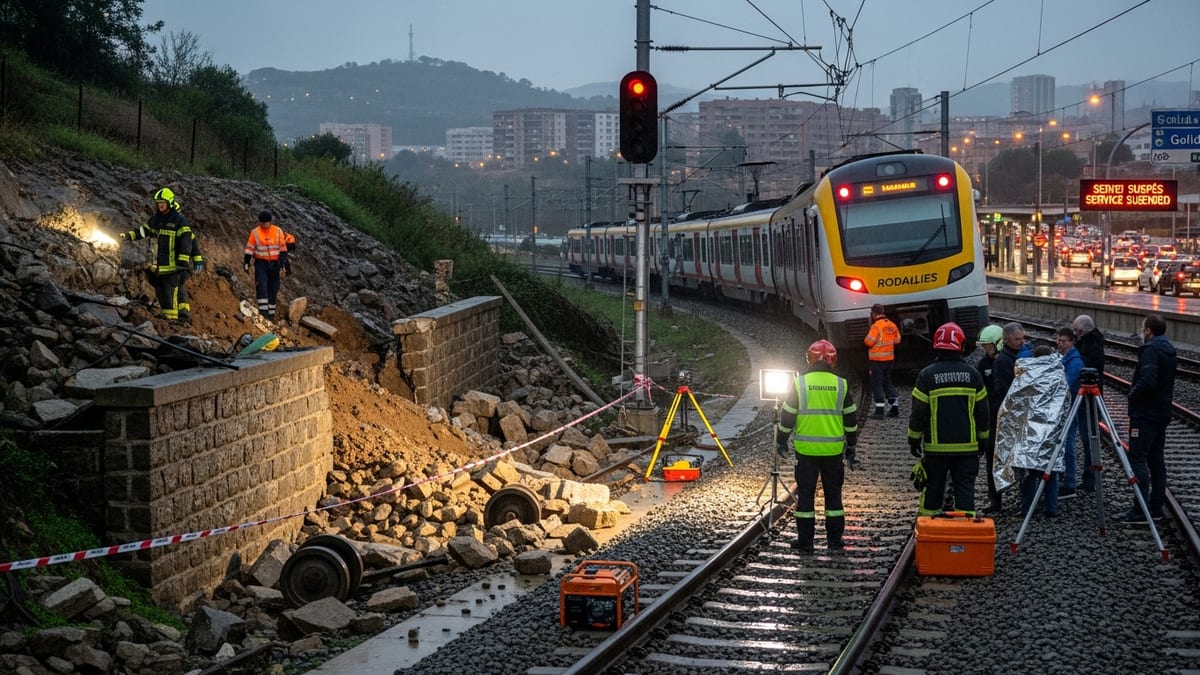
Pre-dawn Fire Erupts on Vacuum Train Below Astor Place
The incident occurred around 2:15 a.m. at the Astor Place station on the Lexington Avenue line, where publicly available information describes a southbound, four-car vacuum train used for track cleaning catching fire in the tunnel near the platforms. The specialized consist is designed to remove trash and debris from the roadbed but instead became the source of heavy smoke that quickly filled the station and rose to street level grates.
Initial accounts from city emergency channels and local broadcast coverage indicate that the fire generated thick smoke conditions, triggering a large response from fire and medical units. Crews entering the station reported visibility issues and heat in the tunnel as they worked to locate the burning equipment and assess whether any passenger trains were involved.
While the fire was confined to the maintenance equipment, reports describe a complex situation underground as responders balanced firefighting efforts with the need to protect and move people in adjacent trains and station areas. The episode marks one of the more serious maintenance-related fires on the Lexington Avenue corridor in recent years.
Injuries Reported Among Transit Workers and Firefighters
Transit incident summaries and local news coverage indicate that 12 people were injured in connection with the Astor Place fire. Among them were multiple Metropolitan Transportation Authority employees assigned to the maintenance operation and several members of the fire service who responded to the scene.
Most of the reported injuries are described in media accounts as non-life-threatening, including smoke inhalation and minor trauma sustained while operating in the confined underground environment. Nevertheless, the tally underscores the risks both to crews maintaining New York’s vast subway network and to first responders who regularly enter smoke-filled tunnels and stations.
The incident also highlights the presence of specialized work trains that many riders never see. These consists, which include vacuum trains, rail grinders and other heavy equipment, are essential to keeping tracks clear of trash and reducing the risk of routine track fires. Tuesday’s fire, however, shows how the very machinery intended to prevent incidents can itself become a hazard when something goes wrong.
4 and 6 Service Halted as Rush Hour Approached
The Astor Place fire forced a suspension of 4 and 6 service between Grand Central–42nd Street and Brooklyn Bridge–City Hall during the early morning hours, according to transit alert summaries. Service on the 5 train was also affected as dispatchers rerouted equipment and adjusted headways to move around the incident area.
By the time many commuters began heading into Manhattan, some Lexington Avenue trains were still experiencing delays, with trains turning back short of their usual terminals and crowding reported at key transfer points such as Grand Central, Union Square and Brooklyn Bridge. Social media posts from riders described confusion on platforms and in trains as conductors relayed evolving service changes.
Transit officials later reported that regular service on the 4, 5 and 6 lines resumed around the middle of the morning following checks of tracks, signals and ventilation in the affected zone. Even after trains began running again, residual delays persisted as dispatchers worked to restore normal spacing and clear the backlog of trains held during the emergency response.
Focus on Aging Infrastructure and Safety Protocols
The Astor Place fire adds to a series of recent incidents involving smoke, track fires and mechanical problems on New York City’s subway network, many of them tied to aging infrastructure, trash accumulation and older rolling stock. Transit advocates note that vacuum trains are intended as a key tool for limiting track fires by clearing flammable debris, especially in older stations where dust and rubbish accumulate quickly.
Publicly available information about the affected vacuum train suggests it was part of a small fleet that has previously been described in technical reports and industry discussions as maintenance-intensive, with breakdowns not uncommon. Early speculation among transit watchers has focused on possible mechanical failure within the vacuum system or power components, though no official cause has been identified.
Rail safety specialists point out that work trains typically operate outside peak periods specifically to limit risk to passengers. Still, Tuesday’s incident illustrates how even overnight maintenance operations can spill into the morning commute, especially when smoke conditions extend along the tunnel and require extended ventilation, inspections and signal checks before normal traffic can resume.
Investigations Underway Into Cause and Response
An investigation into the cause of the vacuum train fire is underway, with transit and city oversight bodies expected to review maintenance records, operating logs and any available camera footage from the Astor Place station. Such reviews typically examine whether there were any prior indications of mechanical issues, as well as whether standard operating procedures for maintenance moves, fire detection and emergency communication were followed.
Observers anticipate particular scrutiny of how quickly the burning equipment was identified, how ventilation fans were deployed to manage smoke in the confined underground environment and how the presence of an arriving passenger train at the station was handled. According to published coverage, a northbound passenger train entered the station while the response was ongoing, and passengers were subsequently evacuated before crews conducted additional searches.
Travelers and residents along the Lexington Avenue corridor are likely to face continuing ripple effects as the investigation proceeds and any necessary repairs or inspections are scheduled. While Tuesday’s fire did not result in fatalities, the number of injured and the scale of the response are expected to keep attention focused on the reliability of specialized maintenance fleets and the broader state of New York City’s subway infrastructure.