


More news on this day
A 69-year-old woman died after a train struck the car she was driving at a rural rail crossing in Copiah County, Mississippi, according to early regional news coverage of the crash.
Get the latest news straight to your inbox!
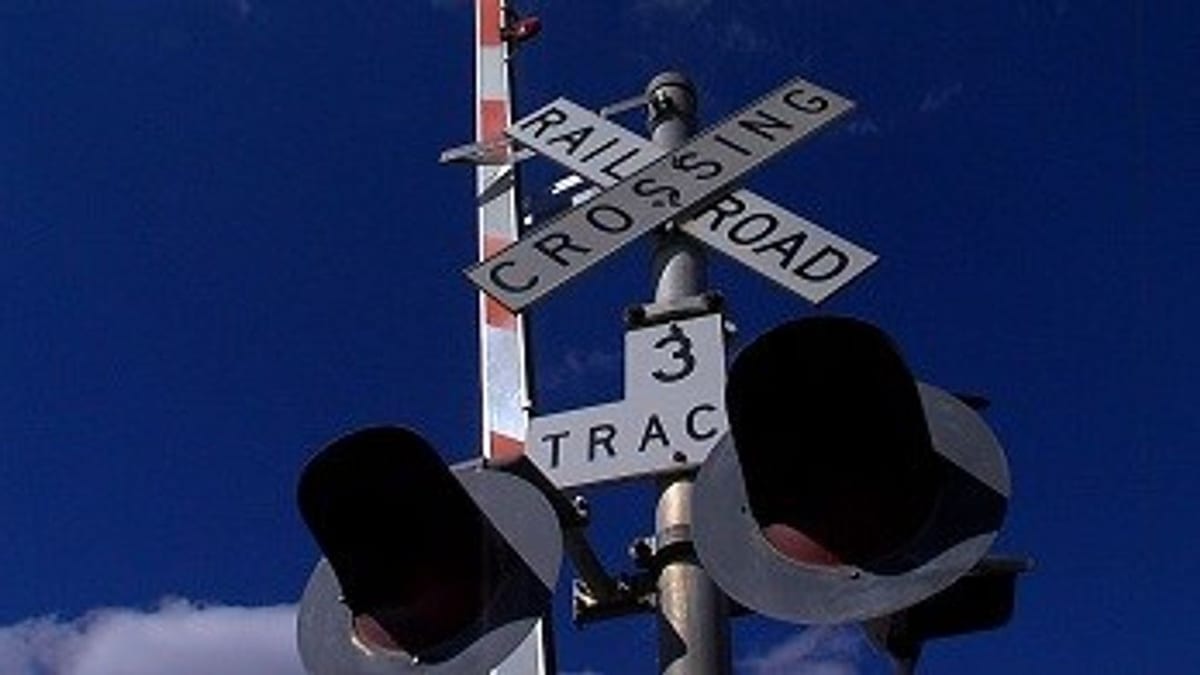
Fatal collision at rural crossing in Copiah County
Initial coverage of the incident indicates that the collision occurred at a rail crossing on a roadway in Copiah County, a largely rural area in central Mississippi. The impact involved a freight train and a passenger vehicle, with the woman alone in the car at the time of the crash.
Reports state that the train struck the car as it moved through the crossing, causing catastrophic damage to the vehicle. Emergency responders were dispatched to the scene, but the 69-year-old driver was pronounced dead after the crash.
Publicly available information released so far has not identified the woman by name, and no additional passengers or bystanders have been reported injured. Rail traffic in the area was temporarily halted while the scene was documented and the damaged vehicle and debris were cleared.
The collision adds to a series of recent rail-related incidents in smaller communities where crossings intersect with local roads, often without the kind of grade separation seen in larger cities.
Preliminary details and ongoing investigation
According to regional news accounts, the circumstances of how the car and train entered the crossing at the same time remain under review. Early descriptions suggest that investigators are examining the visibility at the crossing, the presence and operation of warning devices, and the speed of both the train and the vehicle.
Standard investigative steps after a train-vehicle collision typically include reviewing data from the train’s event recorder, analyzing any available camera footage, and interviewing crew members and nearby witnesses. Similar inquiries often take several weeks or longer before a formal summary of findings is made public.
Published reports indicate that rail personnel remained on site for an extended period following the impact, while traffic on the adjacent roadway was diverted or slowed. The train itself was held in place until inspection procedures were completed and it was considered safe to move.
As of the latest available information, there have been no public indications of criminal charges or citations connected to the crash, and officials continue to classify the incident as an active investigation.
Rail crossing safety concerns in rural communities
The Copiah County collision highlights broader concerns about safety at rail crossings in rural parts of the United States, where drivers frequently encounter tracks that intersect two-lane roads without overpasses or underpasses. In these areas, safety measures vary widely, ranging from simple crossbuck signs to flashing lights and automated gates.
Transportation safety analyses show that collisions at crossings can be influenced by a combination of factors, including limited sight lines, higher train speeds through open countryside, driver familiarity with the route, and the absence or malfunction of active warning systems. Rural drivers may also become accustomed to rarely seeing trains, which can lead to misjudging how quickly an oncoming train is approaching.
National data compiled in recent years suggest that while overall rail safety has improved, fatal crashes at grade crossings continue to occur with particular frequency in less densely populated regions. These incidents often prompt renewed calls for investment in improved signaling, better lighting, vegetation clearing, and in some cases grade separation projects, although such upgrades can be costly and slow to implement.
The Copiah County crash fits into that pattern, emerging from an environment where local roads, agricultural traffic, and freight rail lines intersect, and where residents rely heavily on personal vehicles for daily travel.
Impact on local travel and community response
In the short term, the crash disrupted both rail and road travel near the crossing as responders worked at the scene. Motorists using nearby routes experienced detours or delays, particularly those who depend on the affected road to reach work, schools, or services in neighboring towns.
Communities in Copiah County and similar rural counties often treat serious crashes as a moment to reassess familiar routes. Residents may call for additional signage, improved lighting, or upgraded crossing protections after a fatal incident, especially when older drivers are involved. Public discussion frequently focuses on whether drivers approaching the tracks have enough warning and whether vegetation or roadway design may obscure a train’s approach.
Local reaction also tends to include informal support networks for the family of the person killed, from religious congregations to civic groups. While details about this particular victim’s background have not been publicly released, the loss of an older resident often resonates widely in smaller communities where social ties are close and multigenerational.
The collision is likely to remain a reference point for travelers in the area, influencing how drivers navigate the crossing and how parents, caregivers, and community leaders talk about the risks of rail intersections with children and older motorists.
Renewed attention on driver awareness and prevention
News of the Copiah County crash adds to ongoing conversations about driver awareness around rail crossings. Safety campaigns in Mississippi and across the country emphasize that trains require long distances to stop and that the apparent slowness of a train from a distance can mislead drivers into thinking they have more time than they actually do.
Educational materials commonly urge drivers to slow down as they approach tracks, avoid trying to outrun a train, and never drive around lowered gates or ignore flashing signals. Even at crossings without active protections, motorists are encouraged to look and listen carefully and to pause before proceeding if visibility is limited by curves, trees, or buildings.
In the wake of serious incidents, transportation agencies and rail operators sometimes renew public messaging campaigns, focusing on local radio, print outlets, and community events. While no specific initiatives have yet been publicly tied to the Copiah County collision, similar tragedies in other regions have led to targeted outreach aimed at older drivers and residents who regularly use the same crossing.
As the investigation continues, the case is likely to feed into broader discussions about how best to reduce the risk of train-vehicle collisions in rural counties, balancing infrastructure costs with education and enforcement to protect travelers on both road and rail.