


More news on this day
American Airlines flight AA3134, operated by a Boeing 737-800 on the San Diego to Chicago route, diverted to Phoenix on August 7, prompting questions from travelers about what happened and what a diversion typically means for passengers and their onward journeys.
Get the latest news straight to your inbox!
What Is Known About Flight AA3134’s Diversion
Publicly available flight-tracking data and schedule information indicate that AA3134 is an American Airlines service scheduled between San Diego and Chicago, using a Boeing 737-800 aircraft type. On August 7, the flight did not continue as planned to Chicago and instead diverted to Phoenix, Arizona, where it landed safely.
As of now, open sources do not provide a detailed official explanation for why AA3134 changed course to Phoenix rather than continuing to its intended destination. Diversions can stem from a range of factors, including weather conditions along the route or at the destination, technical issues that require additional checks, medical situations on board, airspace congestion, or crew duty-time limitations.
In the absence of a specific published cause for this individual flight, the event fits a broader pattern seen across North American air traffic, where diversions are used as a precautionary measure to maintain safety margins, give crews and ground teams time to resolve potential issues, and keep aircraft within reach of maintenance and support facilities.
Passengers on such flights generally experience extended travel times and may face missed connections, but diversions are designed to prioritize safety and operational control above schedule convenience.
Why Airlines Commonly Choose Phoenix as a Diversion Airport
Phoenix Sky Harbor International Airport is a significant hub in the American Airlines network, with multiple daily departures to major cities across the United States. For flights crossing the southwestern region of the country, Phoenix is frequently used as an alternate or diversion point because it offers extensive maintenance capabilities, large gates suitable for mainline jets, and strong connectivity for rebooking.
For a San Diego to Chicago routing, diverting to Phoenix keeps the aircraft within the carrier’s network in the western United States while positioning it at an airport with multiple onward options to Chicago and other Midwest destinations. This can simplify both operational planning and customer reaccommodation compared with diverting to a smaller field with limited commercial service.
Operational data and industry analysis routinely highlight that major hub airports are preferred when advance planning or real-time decisions suggest a diversion could become necessary. These airports typically have access to spare crews, additional aircraft, more extensive engineering support, and larger customer-service teams, all of which help manage knock-on effects from a disrupted flight like AA3134.
Travel experts also note that large hubs provide more frequent onward flights, which improves the chances that passengers can be rescheduled the same day or early the next, depending on the time of disruption and seat availability.
Typical Passenger Experience After a Diversion
When a flight such as AA3134 diverts, passengers usually remain on board until the aircraft reaches the gate at the diversion airport. Once parked, the crew coordinates with ground staff to determine whether the same aircraft will continue to the original destination, whether a new crew is required, or whether customers will be moved to other flights.
Publicly available airline policy information explains that, in most diversion scenarios, travelers are automatically rebooked onto the next available services to their final destinations, subject to seat availability. Boarding passes may be reissued either digitally or at the airport. Gate or customer-service agents at the diversion airport become the main point of contact for new itineraries, meal vouchers where applicable, and any overnight accommodation arrangements when onward travel is not possible on the same day.
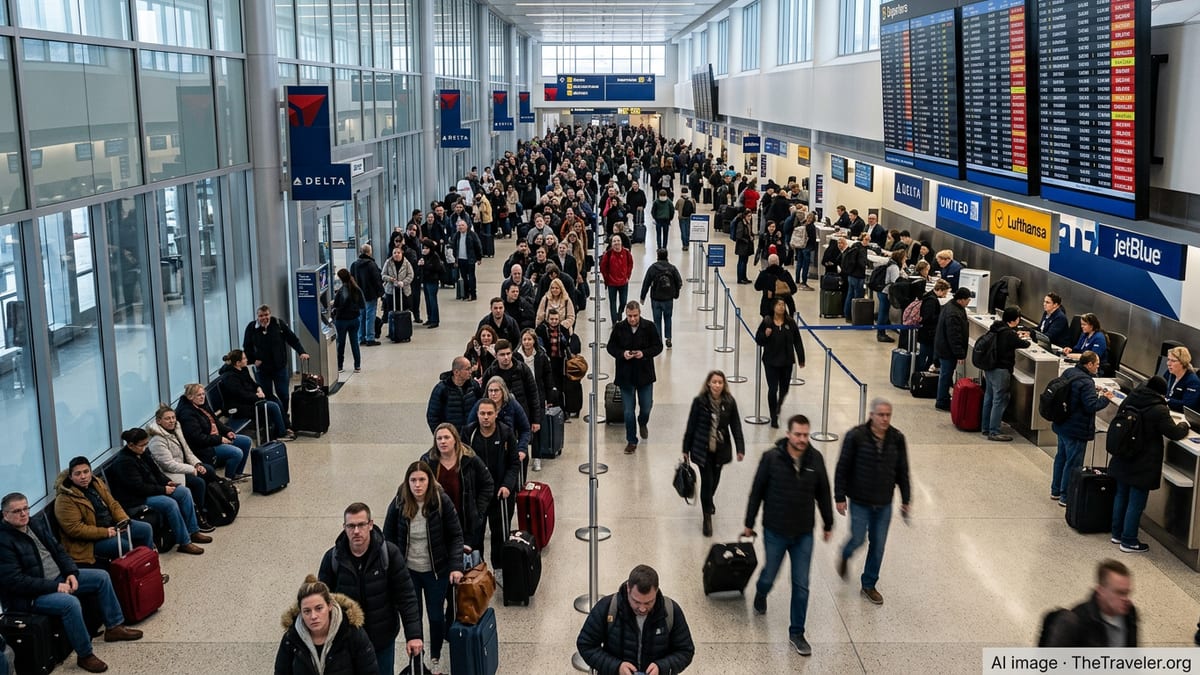
Passengers affected by diversions can expect irregular operations, including long lines at service counters, congestion around departure boards, and competition for limited seats on alternate flights. However, being at a hub airport such as Phoenix generally increases the number of options compared with a diversion to a smaller regional airport.
Travelers are often advised, based on consumer guidance from aviation and passenger-rights resources, to monitor their booking via the airline’s app or website, as digital tools can sometimes show rebooking details before they are announced in the terminal.
Safety, Regulatory Context, and Operational Priorities
Aviation safety regulations in the United States require airlines and flight crews to maintain strict margins around fuel reserves, weather conditions, and crew working hours. When circumstances change en route, diversion is one of the primary tools used to ensure that safety standards are not compromised.
Studies of airline operations and delay management describe how carriers balance on-time performance goals with mandatory safety and regulatory requirements. In practice, this means that even if a diversion like AA3134’s causes significant inconvenience and additional costs, the decision is framed around minimizing risk rather than maintaining schedule integrity at all costs.
Technical issues that are not immediately critical can still trigger a diversion if company procedures or manufacturer guidance call for additional maintenance checks on the ground. In other cases, fast-changing weather at the destination or along the planned route can alter fuel burn or limit the availability of safe arrival windows, leading dispatchers to reroute aircraft toward alternates such as Phoenix to maintain required reserves.
Operational research also highlights that dense hub networks, such as those used by major US carriers, are designed to absorb disruptions by rerouting aircraft and passengers through other nodes in the system. A diversion along a corridor like San Diego to Chicago is therefore not unusual from a network-management perspective, even if it is an unwelcome surprise for those on board.
What Passengers Can Do After a Diversion
For travelers caught up in diversions similar to the AA3134 event, consumer advocates commonly recommend a few practical steps. First, passengers are encouraged to document the disruption, including original and updated itineraries, boarding passes, and any written notifications received through email or mobile applications. This record can be useful later when seeking refunds, vouchers, or other remedies.
Second, travelers may benefit from checking their airline’s published customer-service plan and conditions of carriage, which outline what is typically offered when flights are significantly delayed, diverted, or canceled. While US regulations give airlines discretion in many weather or safety-related disruptions, carriers often provide hotel and meal support during overnight delays that are within the airline’s control.
Third, those with tight onward plans at the final destination, such as international connections or nonrefundable ground arrangements, may want to contact their other providers proactively to explain the situation. Many hotels, tour companies, and ground-transport operators show flexibility when travelers can demonstrate that a diversion or delay was beyond their control.
Finally, once safely on the ground and rebooked, passengers can review available feedback channels or complaint processes provided by the airline or transport regulators. Publicly available guidance suggests that clear, concise descriptions of what occurred and what resolution is being sought are more likely to result in a constructive response, whether in the form of a partial refund, travel credit, or loyalty miles.