


More news on this day
Adora Cruises is sharpening its focus on northern China for 2026, unveiling a Tianjin-centered season built around South Korean city and beach itineraries paired with onboard resort-style comforts.
Get the latest news straight to your inbox!
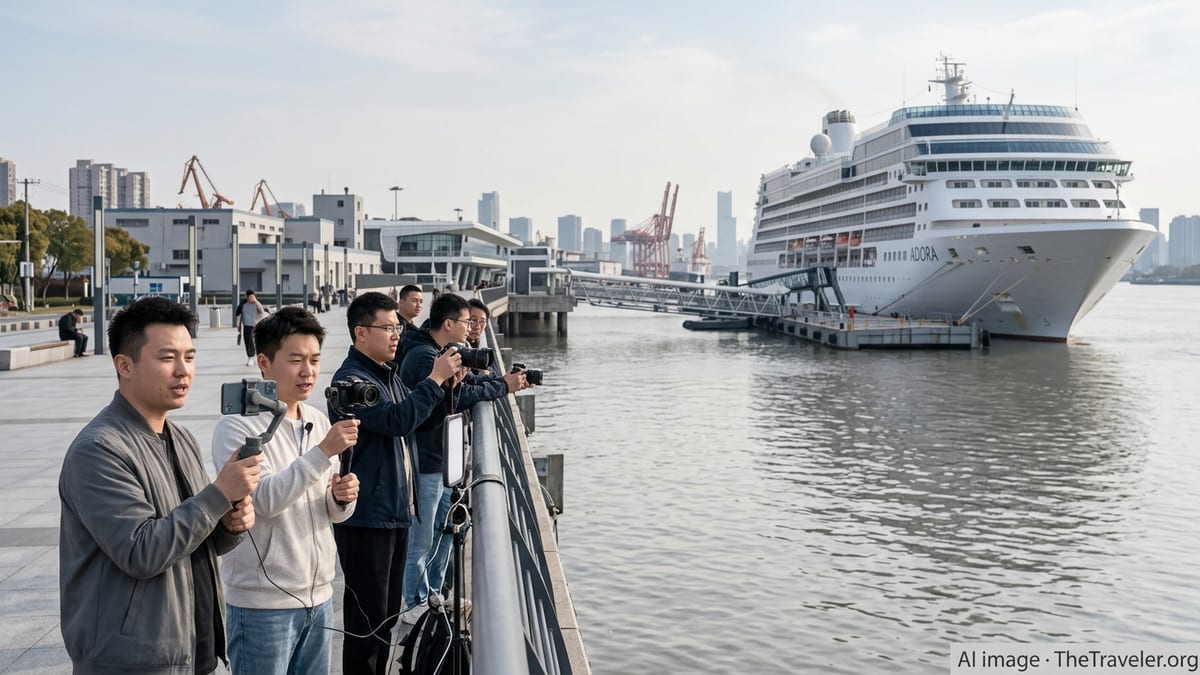
Tianjin to Anchor Adora’s Northern China Strategy
Publicly available deployment details indicate that Adora Cruises plans to make Tianjin a key northern gateway in 2026, using the port to funnel passengers toward popular South Korean destinations. The strategy builds on the line’s existing presence in northern markets and aligns with a broader shift in capacity toward nearby Asian ports.
Scheduling information compiled by travel platforms shows a pattern of six-day and seven-day roundtrips from Tianjin that call at Jeju, Busan, Incheon for Seoul, and Yeosu. These itineraries, repeated across the peak summer and early autumn months, are designed to provide northern Chinese passengers with easy access to Korea’s major urban centers and resort areas without the need for long-haul flights.
The deployment follows a period in which Adora reshaped its regional focus. Coverage in trade media has documented the cruise line’s move away from Japan-heavy routing in early 2026, reallocating capacity toward South Korea and Southeast Asia. Tianjin’s role in this plan positions the port as a northern complement to Adora’s larger base of operations in Shanghai and other coastal cities.
Industry analyses of China’s cruise recovery note that northern homeports such as Tianjin and Dalian are seen as strategic pillars for serving the densely populated Beijing and Bohai Rim region. By consolidating a slate of Korea-focused departures from Tianjin, Adora is seeking to tap into a sizeable source market that favors short, visa-light regional holidays.
Twenty-Five Korea Voyages Blend City Energy and Coastal Escapes
Booking data from major online travel agencies points to a concentrated run of roughly two dozen Korean sailings tied to the 2026 Tianjin program, many in the five-night to seven-night range. While exact totals may vary by operator and season extension, the pattern shows a robust series of departures clustered around school breaks and summer holidays, when demand for quick overseas getaways is typically strongest.
Sample itineraries suggest a mix of combinations linking Jeju’s volcanic landscapes and beaches with Busan’s shopping districts and waterfront promenades, plus calls at Incheon for access to Seoul’s cultural hubs and nightlife. Other sailings bring Yeosu into the rotation, providing passengers with views of Korea’s southern coastline and smaller port-city atmosphere.
This blend of city and coastal calls is calibrated to appeal to a broad demographic in northern China. Families gain easy access to theme parks, aquariums, and beach activities in Jeju and Busan, while younger travelers and urban explorers can focus on shopping, dining, and nightlife in Seoul. Older passengers and multi-generational groups are offered a slower pace in secondary ports such as Yeosu, with shore options that emphasize scenery and local cuisine.
Travel trade commentary suggests that South Korea’s mix of recognizable brands, pop culture draw, and established tourism infrastructure continues to resonate strongly with Chinese outbound travelers. By structuring the Tianjin season around these familiar destinations, Adora is leaning into pent-up demand for regional trips that feel both international and accessible.
Onboard Comfort as an Extension of the City-Break Experience
While the ports of call are central to the Tianjin program, publicly available ship descriptions indicate that Adora is also promoting the onboard experience as a core part of the value proposition. Its vessels in the region are described as offering large pool decks, spa and wellness facilities, multiple dining venues, and entertainment tailored to Chinese tastes.
Cruise line marketing materials and independent reviews highlight touches such as hot pot and regional Chinese cuisine, mahjong and karaoke lounges, and family-friendly water features. These elements allow passengers to transition from days of sightseeing in Korean cities to evenings of familiar food and social activities without leaving the ship.
For passengers originating from Tianjin, Beijing, and surrounding areas, this approach effectively turns a short overseas trip into a floating resort holiday. City energy in Seoul or Busan is balanced by sea days with structured entertainment, kids’ programming, and quieter spaces for older travelers. This combination is particularly attractive for groups that span multiple generations and want a mix of activity levels within a single itinerary.
Industry observers note that the emphasis on comfort and familiarity is part of a wider trend among Chinese-focused cruise brands. By integrating local language services, payment systems, and entertainment formats, lines such as Adora aim to reduce friction for first-time cruisers while still delivering the novelty of an international trip.
Targeting Northern Chinese Demand and Competitive Pressure
Analysts tracking Asia’s cruise recovery describe northern China as an increasingly contested market, with multiple lines vying for passengers in and around Beijing. Tianjin’s cruise terminal offers rail and road connectivity that can draw travelers from across the region, making it a natural platform for a concentrated season of regional itineraries.
Reports on China’s outbound tourism recovery suggest that many travelers remain cautious about long-haul air travel costs and complex visa requirements, but are more willing to book shorter regional trips. Cruises from Tianjin to South Korea fit squarely into this niche, offering a controlled environment, pre-packaged shore excursions, and a predictable schedule.
The planned series of 2026 Korea sailings from Tianjin also strengthens Adora’s network of homeports across China, alongside deployments tied to Shanghai, Dalian, and Guangzhou. By creating a dense schedule of repeatable itineraries rather than a handful of one-off voyages, the line can refine pricing, test promotional offers, and build repeat business among northern Chinese families and group travelers.
At the same time, the concentration of capacity in Northeast Asia adds competitive pressure for regional ports and tour operators. Cities like Jeju and Busan are expected to see a busier call calendar from multiple Asian brands, prompting local stakeholders to further differentiate shore experiences and manage visitor flows.
Significance for Northeast Asia’s Cruise Corridor
Observers of the Northeast Asian cruise market view Adora’s Tianjin plans as part of a broader realignment of itineraries around South Korea and nearby Southeast Asian destinations. With several China-focused lines cutting back on or reshaping Japan routes for at least part of 2026, Korean ports have emerged as key beneficiaries of redeployed capacity.
If the full Tianjin program unfolds as scheduled, the roughly two dozen or more Korean-bound voyages will contribute thousands of additional passenger movements through ports such as Jeju and Busan over the 2026 season. Local tourism operators, retailers, and transport providers stand to gain from this influx, particularly during peak summer and early autumn.
For northern Chinese travelers, the 2026 Tianjin season represents an expansion of options at a time when the country’s cruise sector is regaining momentum. The combination of direct access from a northern homeport, familiar Korean destinations, and an onboard product tailored to local preferences is positioned to help normalize cruising as a mainstream holiday choice in the region.
As deployment plans for late 2026 and 2027 continue to emerge, market watchers will be tracking whether Adora builds on this model with additional capacity in Tianjin and neighboring ports, or further diversifies into longer Southeast Asia routes from other Chinese gateways.