


More news on this day
Summer flyers who show up to the airport without an acceptable ID could soon face an unwelcome surprise at the security checkpoint: a $45 identity verification fee that can add unexpected cost and delay to their trip.
Get the latest news straight to your inbox!
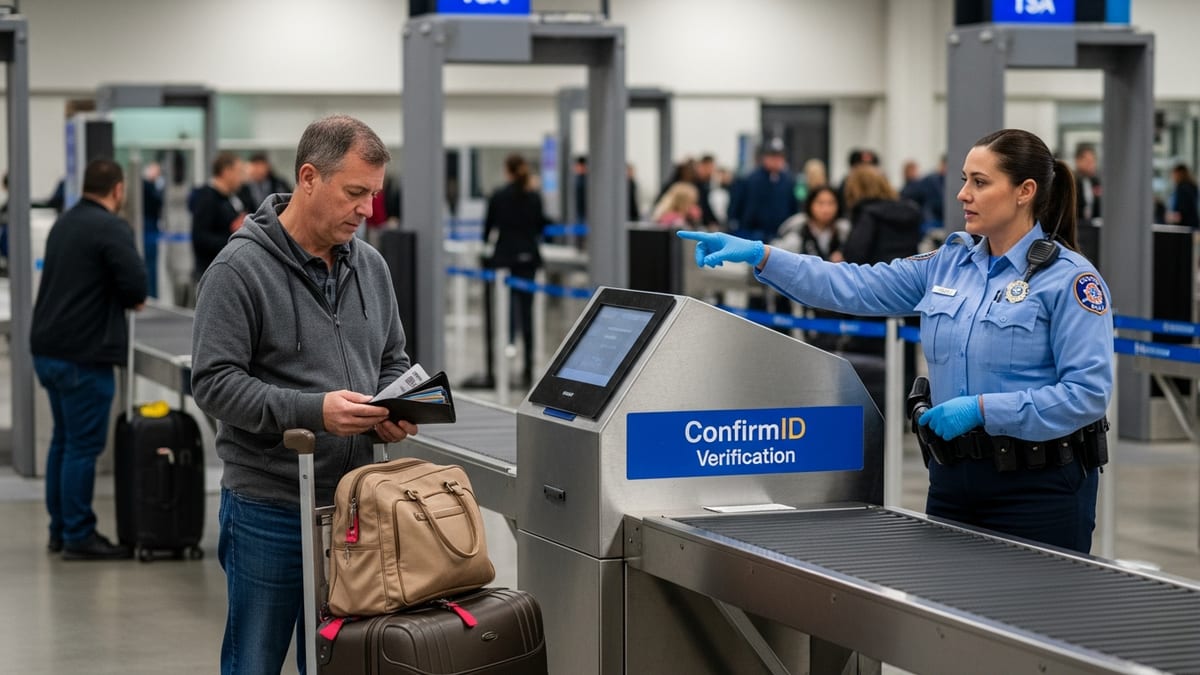
What is the new $45 TSA identity fee?
The Transportation Security Administration is rolling out a modernized alternative identity verification system, known as TSA ConfirmID, for passengers who arrive at security without a qualifying identification document. Publicly available information shows that beginning February 1, 2026, travelers who choose to use this process will pay a nonrefundable $45 fee each time they need it during a 10 day period.
The program is designed for domestic passengers aged 18 and older who do not have a REAL ID compliant driver’s license or state ID, and also lack another accepted document such as a U.S. passport, passport card, military ID or certain trusted traveler cards. In these cases, instead of being turned away outright, the traveler can opt into ConfirmID and attempt to have their identity verified through additional screening.
Government documents describing the program indicate that the $45 charge is intended to cover the cost of operating the advanced identity verification system so that the expense is borne by users rather than general taxpayers. The fee is separate from existing federal security charges that are already built into airline tickets and collected by carriers at the time of purchase.
Importantly, paying the fee does not guarantee that a traveler will be permitted to fly. If the system and associated checks still cannot confirm a passenger’s identity to the required standard, the individual may be denied access to the secure area and miss their flight despite having paid.
How ConfirmID works at the airport
According to federal notices and airport guidance, travelers who arrive without acceptable ID will be routed away from the standard document check and into the ConfirmID process. TSA personnel use a mix of databases and personal information supplied by the traveler to build an identity profile, a more formalized version of the ad hoc questioning that has sometimes taken place for passengers who forget their wallets.
In most cases, travelers are encouraged to pay the $45 fee online before they reach the checkpoint. An online form collects details such as name, date of birth and address, which are then used during the in person verification. Some airports and agencies have begun warning residents that the extra step could add 20 to 30 minutes or more to the screening process, depending on airport staffing and how easily the system can match a traveler to existing records.
Once payment has been made, travelers receive a receipt that can be presented in printed or digital form at security. Staff then initiate the ConfirmID checks, which may include additional questions and, in some cases, secondary screening. If the traveler’s identity is validated, they are permitted to continue through the checkpoint like any other passenger.
The fee applies per person and covers multiple uses of ConfirmID within a 10 day window, a detail that is aimed at round trip or short multi leg journeys. However, each use during that period still requires the traveler to go through the full verification process and there is no refund if flights are changed or canceled.
Why this matters for summer travelers
The new identity charge is scheduled to take effect just months before the summer 2026 peak travel season, but the policy is already reshaping how travelers prepare for trips. Airlines, airports and state agencies have begun pushing reminders about identification requirements, warning that forgetful passengers may face an on the spot decision between paying $45 or abandoning their plans.
Summer flying is typically marked by crowded terminals, tight connection times and a higher proportion of infrequent travelers. Industry coverage suggests that these conditions could magnify the impact of the fee, particularly for families and groups. If more than one person in a party lacks valid ID, the cost multiplies quickly, and the added verification time can jeopardize onward connections even if flights are running on schedule.
There is also a practical equity concern. The ConfirmID process is optional, but for a traveler who has already paid for a nonrefundable ticket, hotel and activities, the alternative to the $45 fee may be losing the entire value of the trip. Consumer advocates note that this dynamic effectively turns a documentation lapse into a high stakes financial decision at the checkpoint.
Reports from state transportation departments and local agencies show that outreach campaigns are ramping up in anticipation of the rule’s start date. Many are highlighting the long running shift toward REAL ID enforcement and advising residents to upgrade their licenses or secure a passport well before peak vacation months.
Who is affected and what counts as acceptable ID
The fee is targeted at travelers who reach the airport without any ID that meets TSA’s existing requirements. A REAL ID compliant driver’s license or state identification card will satisfy the rules for domestic flights, as will a U.S. passport, passport card, DHS trusted traveler card such as Global Entry or NEXUS, permanent resident card and certain other government issued documents.
Standard, non REAL ID driver’s licenses will increasingly be rejected at airport checkpoints once federal enforcement dates fully take hold. In those cases, travelers who have not brought an alternative document will be treated as having no acceptable ID and steered toward ConfirmID if they want to attempt to fly.
Children under 18 traveling with an adult on domestic itineraries are generally not required to show ID, so the new fee is expected to fall most heavily on adult travelers, especially those who fly infrequently or are unaware of the changing documentation standards. College students, summer workers and occasional vacationers are among the groups that agencies are trying to reach with targeted information campaigns.
Experts caution that digital images of identification stored on a phone will not be enough in most cases unless they are part of an approved mobile driver’s license program that TSA has chosen to accept. For now, the safest approach remains carrying a physical, compliant document in addition to any digital wallet version.
How to avoid paying the $45 at the checkpoint
Travel and government advisories are emphasizing a straightforward message for anyone flying in or out of the United States: verify your identification documents well before departure day. That means checking the expiration date on passports and licenses, confirming that a state ID is marked as REAL ID compliant, and making sure the card will still be valid through the return date of a trip.
Because summer flights are often booked months in advance, travelers are being urged to factor document processing times into their planning. Passport offices and state motor vehicle departments can experience seasonal backlogs, and some locations now require appointments that may not be available on short notice.
On the day of travel, agencies recommend a final ID check before leaving home, in the same way many passengers confirm they have their wallet and boarding pass. Some airports and state offices have published reminders that you cannot pay your way out of all problems: even with the $45 ConfirmID fee, identity verification is not guaranteed, and failing the process can still mean being unable to board.
For this summer and beyond, the emerging consensus from public information campaigns is clear. The simplest way to avoid an unexpected airport bill and potential disruption is to arrive with a valid, compliant ID in hand, treating it as essential to your trip as your ticket itself.