


More news on this day
Rail service through downtown Wheaton was disrupted this week after a freight train struck a pedestrian near the city’s central rail corridor, prompting crossing closures and renewed attention to pedestrian safety around trains.
Get the latest news straight to your inbox!
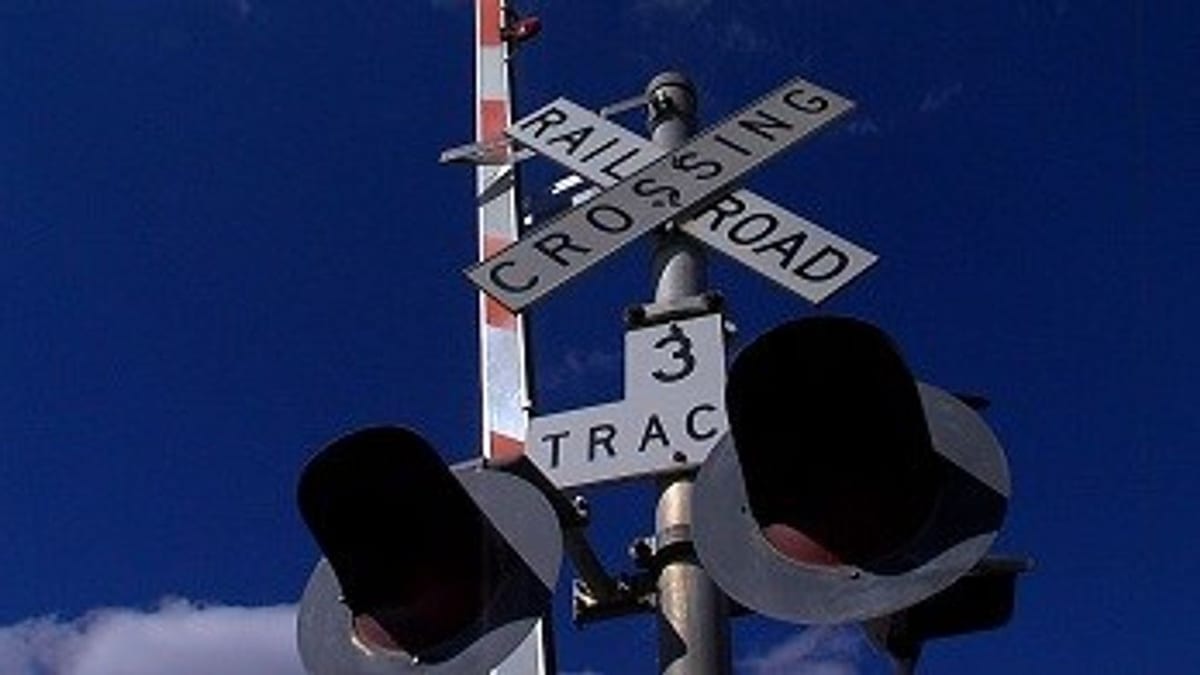
Incident near Front and Cross streets halts rail traffic
Published information from the City of Wheaton and regional media indicates the collision occurred late Thursday morning near the intersection of Front Street and Cross Street, just east of the Wheaton Metra station on the Union Pacific West Line. The location is one of the city’s primary rail crossings, carrying both commuter and freight traffic through the heart of downtown.
Alerts distributed by the city describe the incident as a freight train and pedestrian collision that led to the immediate closure of the tracks in the downtown area. Trains were held outside the city limits while emergency responders worked near the crossing, and nearby roadways experienced delays as traffic was diverted away from the scene.
Local coverage notes that the pedestrian was struck on the tracks in an active rail zone where protective equipment such as gates and warning lights are present. The circumstances of how the person came to be on or near the tracks at the time of the impact had not been detailed in initial summaries available to the public.
The incident in Wheaton occurred during a generally busy weekday travel period, affecting both rail commuters and drivers who rely on crossings in the compact downtown grid. For many travelers, the first indication of trouble came in the form of service alerts and social media posts flagging unusual delays on the line.
Service disruptions and gradual restoration of trains
Public notices from Wheaton and rail operators describe a period of full stoppage for trains passing through the downtown segment immediately after the collision. Freight and commuter movements were suspended while responders accessed the tracks and conducted an on-site investigation.
Reports indicate that some trains were held at nearby communities along the Union Pacific West Line, with passengers advised of substantial delays. In Wheaton itself, crossing gates near the affected location remained down for an extended period, contributing to traffic congestion on streets that normally provide east–west connections across the rail corridor.
Later in the morning, the city issued an update stating that the tracks had reopened and that responders were leaving the area. According to that update, rail operations were allowed to resume, although residual delays for both freight and commuter service continued as dispatchers worked through a backlog of trains that had been staged outside the incident zone.
The return to regular service was described as gradual rather than immediate, with travelers encouraged to check for schedule changes and ongoing delays throughout the day. For many riders, the event served as a reminder that single-track or constrained rail corridors can experience significant ripple effects when emergencies occur at key crossings.
Ongoing questions about the pedestrian’s condition and identity
Initial summaries from local newsrooms and municipal alerts focused primarily on the operational impact of the collision, providing few details about the pedestrian involved. As of the latest publicly available coverage, the person’s identity and current condition had not been widely disclosed through official statements or court filings.
Regional reports on similar incidents often indicate that additional information about a person struck by a train, including name and medical status, can take hours or days to appear in public records. Factors such as family notification and ongoing investigations into the circumstances of the collision can delay the release of more specific personal details.
In the Wheaton case, available information has centered on the location, timing, and infrastructure response rather than the individual on the tracks. That approach is consistent with early-stage reporting on rail incidents, where transportation impacts and safety considerations are frequently documented well before investigators complete a full reconstruction of events.
Residents in Wheaton and across DuPage County have expressed concern in past cases involving trains and pedestrians, particularly near central business districts where rail lines run close to sidewalks, shops, and civic spaces. This latest collision adds to a regional pattern of serious incidents that often prompt calls for more robust education and engineering measures.
Downtown Wheaton’s busy rail corridor and safety considerations
Downtown Wheaton sits along the Union Pacific West Line, a corridor that carries Metra commuter trains as well as freight traffic through a series of grade crossings that intersect local streets. The Front and Cross streets area is among the most heavily used sections of track in the community, with nearby parking, pedestrian walkways, and access points for the Metra station.
Rail safety reports and past case documentation from state agencies show that the combination of frequent train movements and at-grade crossings can elevate risk when drivers or pedestrians attempt to cross after warning devices begin operating, or when individuals walk along or across tracks outside designated areas. Historical records for the corridor include prior pedestrian strikes within Wheaton and neighboring communities on the same line.
Publicly available educational materials from rail and safety organizations emphasize that trains can be deceptively quiet and are often traveling faster than they appear, reducing the margin for error for anyone near the tracks. In dense downtown settings, visual distractions, traffic noise, and multiple sets of tracks can make it more difficult for pedestrians to accurately gauge an approaching train’s distance and speed.
Following the latest collision, discussions in and around Wheaton are again highlighting long-standing recommendations for people who live, work, or travel near the rail corridor. These include treating all tracks as active at all times, remaining behind gates when they are down, and avoiding short cuts across the right of way, even when no train is immediately visible.
Regional context of pedestrian train incidents
The Wheaton collision comes amid a series of recent pedestrian and train incidents reported around the United States, including several involving freight railroads and commuter systems. National compilations of rail-safety data routinely show that pedestrians struck on or near tracks represent a significant share of serious rail-related injuries and deaths each year.
In the Chicago region, where multiple Metra lines and freight routes intersect suburban downtowns, past incidents have occurred in communities such as Downers Grove, Geneva, and Palatine. These events have driven periodic reviews of crossing design, the use of fences and barriers, and the deployment of enforcement and education campaigns intended to reduce risky behavior near tracks.
Transportation researchers who study pedestrian crashes note that factors such as time of day, visibility, and the complexity of the built environment can influence the likelihood and severity of incidents near railroad rights of way. While each collision has unique circumstances, patterns in the data have encouraged municipalities and railroads to focus on locations with high pedestrian activity, such as central business districts and areas near schools or transit hubs.
For travelers passing through Wheaton, the latest incident is a reminder that even familiar routes can involve hidden risks when rail lines are nearby. The city’s rail corridor remains a vital part of the region’s transportation network, and the balance between mobility and safety continues to shape how communities respond when a train strikes a person on the tracks.