


More news on this day
Air Astana is restoring and expanding flights between Kazakhstan and Dubai, gradually rebuilding schedules from Almaty and Astana in a move that promises smoother Gulf and global connections for thousands of travelers.
Get the latest news straight to your inbox!
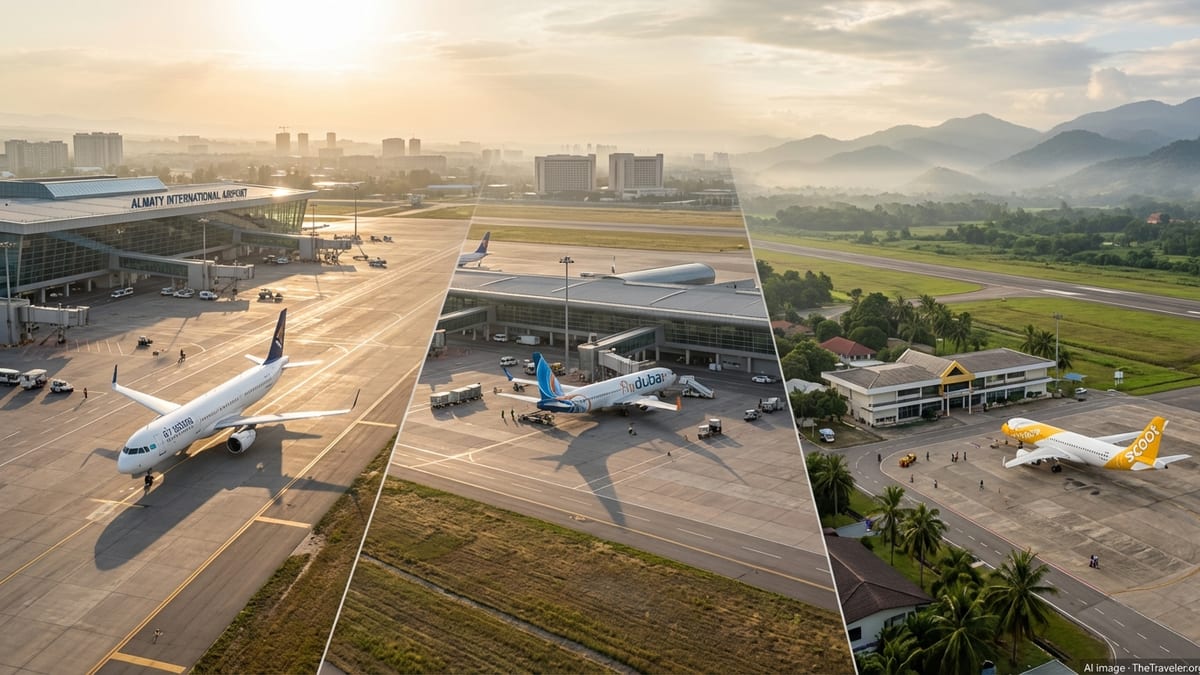
Gradual Restoration of Kazakhstan–Dubai Services
Publicly available timetable data shows that Air Astana has been steadily reinstating direct services between Dubai and Kazakhstan’s two main hubs, Almaty and Astana, after earlier disruptions linked to the pandemic and regional geopolitical challenges. The airline now operates nonstop flights from both cities to Dubai International Airport, with schedules adjusted seasonally to match demand.
Flight information platforms list Air Astana services on the Dubai to Almaty route operating daily during peak periods, alongside competing frequencies from Gulf carriers. On the Astana to Dubai sector, schedules indicate regular nonstop services with typical flight times of just under five hours, significantly shortening travel for passengers who previously relied on indirect routings via other Central Asian or Gulf hubs.
The restored links mark a return to a market that has been important for the airline for more than a decade. Earlier corporate announcements highlighted Dubai as a key financial and tourism gateway, and the renewed focus suggests the carrier is once again positioning the city as a primary bridge between Kazakhstan and the wider Middle East, Africa and South Asia.
Industry observers note that the Dubai routes fit into a broader pattern of Air Astana rebuilding and diversifying its international network, prioritizing destinations where demand for both leisure and business travel has proven resilient.
Winter and Summer Schedules Add Frequency
Air Astana’s published winter schedule for the 2023 to 2024 season showed a first major step in strengthening Dubai connectivity, with flights from Almaty increasing from daily to up to twelve per week and from Astana rising to ten per week. The shift reflected stronger outbound demand from Kazakhstan for winter sun, shopping and onward long haul connections through Dubai.
Subsequent operational updates and financial disclosures indicate that the airline has maintained a focus on the Gulf as a growth region, citing additional services to Dubai and Abu Dhabi during late 2024 and into 2025. This has translated into more options for travelers heading to or transiting through the United Arab Emirates from both southern and northern Kazakhstan.
Combined with new and expanded routes to leisure destinations in Asia, the Dubai flights form part of a schedule architecture designed to offer timely connections over Almaty and Astana. The carrier’s seasonal planning aims to concentrate capacity on routes that can feed connecting banks, allowing passengers from secondary Kazakh cities to reach Dubai with coordinated domestic and international legs.
Timetable data suggests that frequencies on the Dubai routes are likely to remain higher in peak travel months, particularly around winter holidays and major events in the Gulf, while shoulder season operations are adjusted in line with demand and aircraft availability.
Improved Connectivity for Business and Leisure Travelers
The restoration and gradual expansion of Dubai flights from Almaty and Astana is expected to improve connectivity for a wide range of travelers. For business passengers, the added frequencies create more opportunities to align meeting schedules with same day or overnight flights, while also facilitating faster access to financial centers and free zones in the United Arab Emirates.
For leisure travelers, the expanded schedule offers additional choices for short breaks and longer holidays in the Gulf, as well as convenient transfers to beach destinations in the Indian Ocean, Southeast Asia and Africa. Dubai’s role as a major long haul hub means that travelers from Kazakhstan can now more easily connect to cities that are not served directly from Almaty or Astana.
Travel industry analysis points to growing point to point traffic between Kazakhstan and the UAE, driven by tourism, shopping and medical travel, in addition to classic connecting itineraries. The increased capacity on the Dubai routes is therefore expected to benefit both local tourism flows and international transfer traffic handled by Air Astana’s partners and codeshare arrangements.
The improved schedule also complements Kazakhstan’s efforts to attract inbound visitors. Easier access via Dubai allows tourists from Europe, the Middle East, Africa and the Asia Pacific region to reach Almaty and Astana with a single connection, enhancing the country’s visibility as a destination for nature, adventure and cultural tourism.
Strategic Role of Almaty and Astana Hubs
Almaty and Astana have distinct but complementary roles in Air Astana’s network, and the Dubai flights are central to both. Almaty, the country’s largest city and main commercial center, functions as a key gateway for southern Kazakhstan and neighboring regions, feeding international routes with strong leisure and ethnic traffic components.
Astana, the national capital in the north, is positioned as a political and administrative hub with a growing base of corporate and government travel. By offering direct Dubai services from both cities, Air Astana reduces the need for backtracking and domestic positioning flights, saving time for travelers and improving aircraft utilization within the network.
Recent infrastructure upgrades, including the opening of a new international terminal at Almaty Airport in 2024, have enabled higher traffic volumes and more comfortable transfers for passengers connecting between domestic and international flights. This improved ground capacity supports the airline’s strategy of routing an increasing share of regional traffic through its home hubs.
In combination, the twin hub structure and expanded Dubai schedule strengthen Kazakhstan’s role as a bridge between Europe and Asia. For travelers from neighboring Central Asian states and parts of Russia and western China, Almaty and Astana offer alternative routings to the Gulf, reducing reliance on more distant or congested hubs.
Fleet Growth Underpins Route Expansion
The gradual expansion of Dubai flights is underpinned by Air Astana’s continued investment in a young, fuel efficient fleet. Corporate filings and industry reports show that the airline group operates one of the youngest fleets in its region, centered on Airbus A320neo family aircraft and newer-generation narrowbodies tailored to medium haul routes such as Kazakhstan to the UAE.
Recent announcements detailing additional A320neo family orders and fleet modernization initiatives suggest that the carrier is planning for sustained growth in medium haul markets. These aircraft provide the range and efficiency needed to operate frequent services between Almaty, Astana and Dubai while managing operating costs in a competitive environment.
Improved fleet economics give Air Astana more flexibility to adjust capacity on the Dubai routes, adding rotations during peak demand and redeploying aircraft to other markets when required. This agility is important in a region where traffic flows can be sensitive to economic cycles, currency movements and geopolitical developments.
For passengers, the fleet strategy translates into more consistent cabin products and onboard services across the Dubai network, regardless of whether flights originate in Almaty or Astana. As schedules continue to evolve, the combination of restored routes, higher frequencies and modern aircraft is set to further enhance connectivity between Kazakhstan, Dubai and a growing number of onward destinations.