


More news on this day
Tasmania is positioning itself as a higher-value cruise destination after Hobart secured the Australian Cruise Association’s flagship national conference for 2027, a win expected to sharpen the island state’s profile with global cruise executives and destination planners.
Get the latest news straight to your inbox!
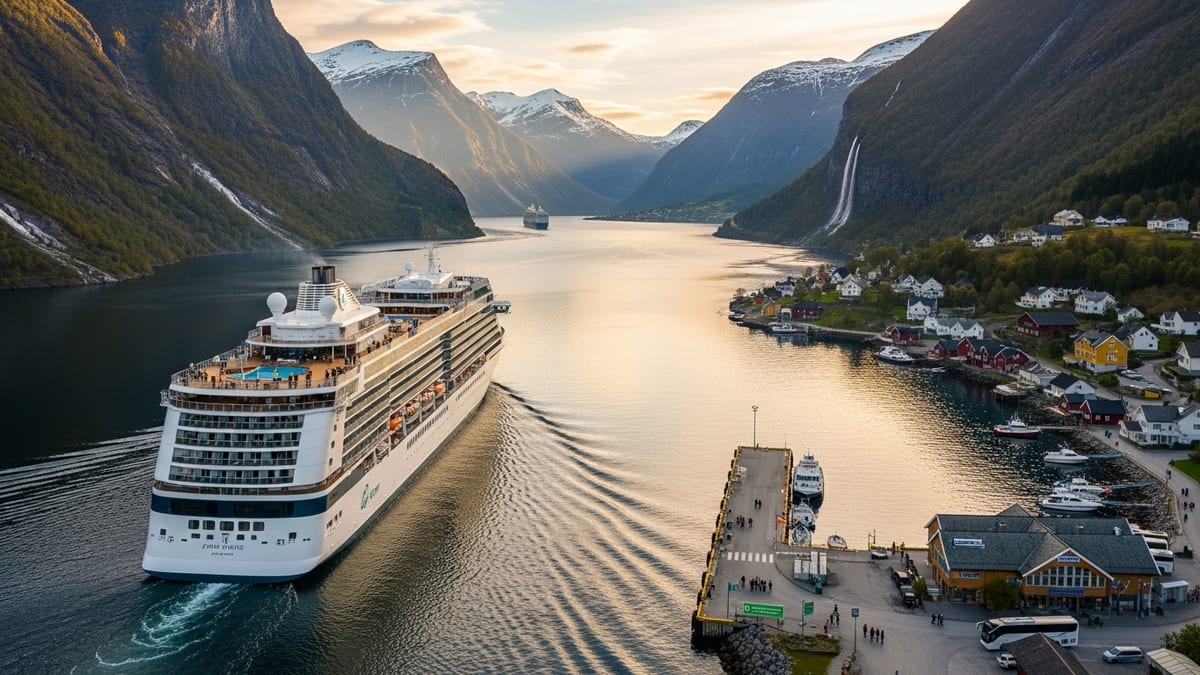
Hobart Wins 2027 Australian Cruise Conference
Tourism Tasmania has confirmed that Hobart will host the Australian Cruise Association’s national conference in 2027, returning the cruise industry’s flagship domestic gathering to the state for the first time in about 15 years. The event is expected to attract cruise line decision-makers, port authorities, shore excursion specialists and destination partners from across Australia and international markets.
According to publicly available information, the 2027 conference will be staged at LUMINA, the new event space within The Tasman, a Luxury Collection Hotel, a waterfront property already recognised on lists of the world’s leading hotels. The venue choice underlines a strategy to present Hobart as a sophisticated small city capable of handling premium business events while showcasing its working port and historic centre on the River Derwent.
Tourism Tasmania reports that cruise shipping injects an estimated 130 million Australian dollars a year into the state’s visitor economy, supporting operators that range from inner-city hospitality businesses to regional tour providers and transport companies. Bringing a national industry forum to Hobart is being framed as a way to deepen those links, with multiple days of meetings, touring and hosted events likely to put Tasmanian products and experiences directly in front of key buyers.
Published material indicates that the successful bid was led by Tourism Tasmania in partnership with TasPorts, Business Events Tasmania, the City of Hobart and regional marketing body Destination Southern Tasmania. The collaborative approach reflects how cruise activity touches port operations, city planning and tourism marketing, and gives local stakeholders a shared platform to promote infrastructure upgrades and new product development.
Cruise Action Plan Focuses on Value, Not Volume
The conference announcement dovetails with Tasmania’s Cruise Action Plan, which outlines a strategy to prioritise visitor spending and regional dispersal over a simple increase in ship calls. Public information on the plan highlights an emphasis on managing community impacts, protecting sensitive environments and encouraging longer, more immersive visits on shore.
Rather than chasing the largest possible vessels, Tasmania is signalling a preference for itineraries that connect major ports such as Hobart with smaller destinations including Port Arthur, Maria Island and lesser-known coastal towns. Industry schedules published for 2026 and 2027 already show a mix of large-ship visits and smaller expedition-style cruises that loop through Tasmanian waters as part of longer Australia and New Zealand programs.
Hobart’s status as one of only a handful of globally recognised gateways to Antarctica is another pillar of the state’s positioning. Tourism Tasmania notes that the city’s deepwater port and research infrastructure are increasingly relevant as expedition cruise lines expand polar programs and look for new embarkation points. The 2027 conference is expected to shine a spotlight on the growth potential of these higher-yield segments, including voyages that combine Tasmania, sub-Antarctic islands and the East Antarctic coastline.
Publicly available commentary from national and regional tourism bodies has frequently underscored a broader shift in cruise strategy across Australasia toward sustainability metrics, including shore power capability, advanced waste systems on newer ships and closer coordination with local communities. Tasmania’s Cruise Action Plan is being framed as part of this regional realignment, with the Hobart conference providing a platform to share case studies and align on standards.
Port Capacity and Itinerary Opportunities Around Tasmania
Hobart’s selection as the 2027 host city comes as cruise lines continue to schedule future deployments around Tasmania, with publicly listed itineraries showing a steady stream of calls stretching into the latter half of the decade. Cruise timetables for 2027 include multiple larger ships visiting Hobart as part of Australia and New Zealand circuits, alongside smaller regional operators running coastal adventures round-trip from the city.
Separate schedules for local expedition companies show dedicated Tasmanian programs continuing into 2027, including short coastal voyages departing and returning to Hobart and longer itineraries that link Tasmania with northern Australia. These sailings typically feature smaller vessels designed to access remote bays, national parks and island reserves that are off-limits to mainstream ships, aligning closely with the state’s push for dispersal and nature-based experiences.
Industry planners note that Tasmania’s cruise proposition extends beyond the capital. Port calls at destinations such as Port Arthur, Burnie and Devonport, as well as tender operations into sheltered anchorages, broaden the footprint of cruise spending. Trade brochures and voyage programs for 2026 and 2027 position Tasmania as a key highlight on circumnavigation cruises of Australia and on repositioning voyages between Asia, the South Pacific and New Zealand.
Hobart’s waterfront has also been framed as an anchor for wider maritime events, including the biennial Australian Wooden Boat Festival scheduled for February 2027. Public listings promote that festival as a major visitor draw built around classic vessels, wooden boat craftsmanship and harbour activities, offering cruise planners an additional cultural hook for itineraries featuring longer stays in port.
Aligning With Global Cruise Industry Trends
The timing of Hobart’s 2027 conference aligns with a broader global cruise calendar that is rapidly rebuilding after the pandemic, with trade association schedules listing a dense program of conferences, summits and roadshows across Europe, North America and Asia. The Australian Cruise Association gathering forms part of this wider ecosystem, giving Tasmanian destinations exposure within a year expected to feature multiple high-profile trade events worldwide.
Internationally, the Cruise Lines International Association continues to run its own calendar of conferences and regional summits, including Cruise360 events and sector-specific gatherings such as river cruise forums. Public information from CLIA highlights an ongoing focus on environmental performance, shore power adoption and community engagement, themes likely to feature prominently in discussions in Hobart in 2027.
By hosting a national conference that draws on these global conversations, Tasmania is positioning itself as an active contributor rather than a peripheral port of call. Industry publications in Australia have already framed Hobart’s win as a chance for local stakeholders to demonstrate capacity, share lessons on operating in sensitive environments and explore how to attract new-generation ships equipped with advanced environmental technologies.
Observers note that the event will also coincide with a period of evolving deployment patterns in the Australasian region, as cruise lines recalibrate their fleets between Asia, Australia and longer transoceanic routes. Tasmania’s ability to demonstrate reliable port services, diverse shore excursions and community support is expected to be critical in capturing a share of future capacity, particularly from premium and expedition brands seeking distinctive itineraries.
Economic and Community Stakes for Tasmania
Economic modelling referenced by Tasmanian tourism authorities suggests that cruise visitors contribute significantly to local spending in sectors such as hospitality, retail and tours, with flow-on benefits for transport services and regional suppliers. The 130 million Australian dollars in annual value cited for the cruise sector is viewed as a foundation that can be grown by targeting higher-yield visitors who stay longer and venture further beyond the main port.
At the same time, Tasmania’s Cruise Action Plan acknowledges community concerns around congestion, environmental footprints and the character of historic waterfront precincts. Public documents emphasise the need to balance ship visits with shore capacity, heritage preservation and local amenity, particularly in compact areas such as central Hobart and sensitive heritage sites like Port Arthur.
Hosting the 2027 Australian Cruise Association conference gives Tasmania an opportunity to present its approach to these issues as part of a national dialogue on sustainable cruise tourism. Government and industry materials indicate that case studies from regional ports, environmental management initiatives and indigenous tourism partnerships are likely to feature on the program, reflecting a broader trend toward more inclusive and responsible development.
For local businesses, the immediate benefits of the conference are expected to include hundreds of delegate room nights, off-site events and pre- and post-touring around the state. Longer term, visibility among senior deployment planners and shore excursion buyers may translate into additional calls, extended port stays and new collaborations, reinforcing Hobart’s role as both a working port and a gateway to Tasmania’s wilderness, coastal landscapes and cultural festivals.
Tourism Tasmania – 2027 Australian Cruise Conference announcement
TravelTalk – Venue named for major Aussie cruise conference
CruiseTimetables – Hobart cruise ship schedule and future calls