


More news on this day
Air Canada and British Airways have cancelled 18 transatlantic flights affecting key routes between Toronto and London, disrupting peak-season travel for hundreds of passengers on both sides of the Atlantic.
Get the latest news straight to your inbox!
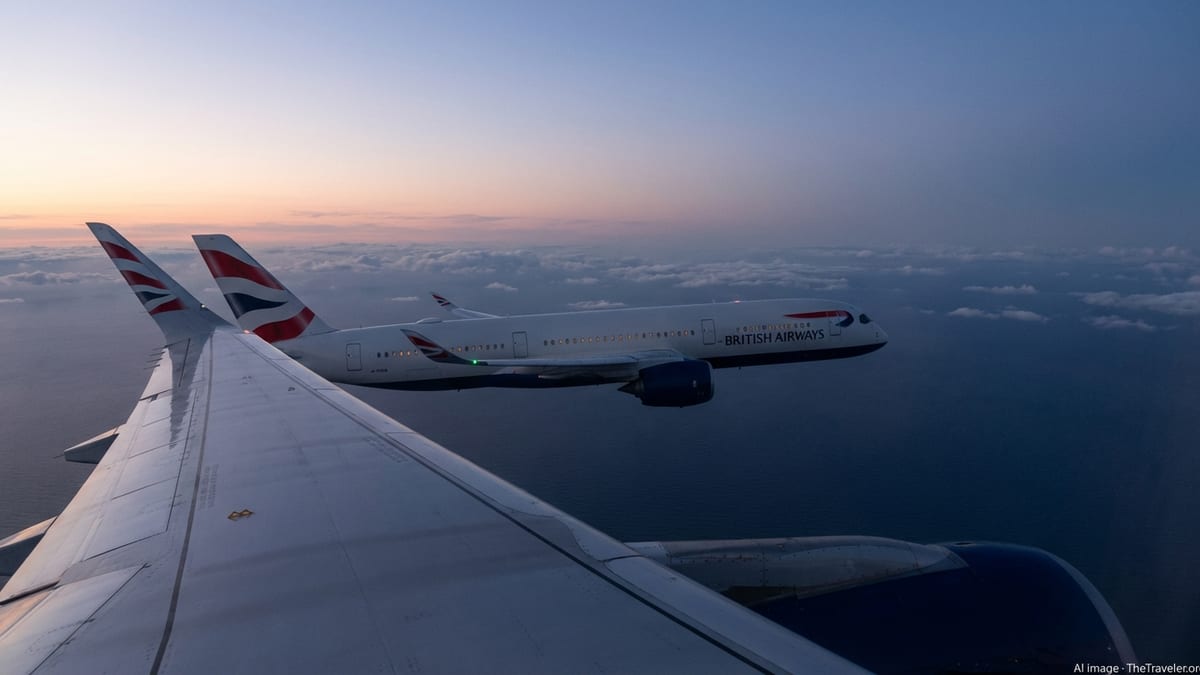
Wave of Cancellations Hits Peak Summer Travel
The latest schedule shake-up involves a combined total of 18 long-haul services removed from timetables across several days, according to published flight tracking data and airline schedule updates. The affected flights link Toronto Pearson International Airport and London’s major hubs, primarily Heathrow, with both carriers trimming frequencies rather than suspending routes entirely.
Publicly available flight-status information shows multiple round trips that had been loaded for the early and mid-July peak now marked as cancelled, with gaps appearing on days that were previously showing full transatlantic schedules. Aviation data services indicate that the cancellations have been spread across different departure times, impacting both evening westbound departures from London and overnight flights from Toronto.
The adjustments come at a time when transatlantic demand remains strong heading into the core summer holiday period, meaning many of the affected flights had been heavily booked. As a result, travellers are encountering limited alternative options on the same travel dates, especially for non-stop service between Toronto and London.
Published coverage notes that both airlines are attempting to consolidate passengers onto remaining services where possible, prioritising non-stop alternatives before offering re-routings via other North American or European hubs.
Operational Pressures Behind the Cutbacks
While neither carrier has issued a detailed public breakdown of each cancelled flight, reporting on recent schedule changes across the industry highlights several common drivers. High jet fuel costs, crew availability constraints, and wider network adjustments have all been cited in recent months as reasons for targeted cuts on certain long-haul routes.
Coverage of Air Canada’s broader network strategy this year has pointed to cost pressures and capacity fine-tuning, including reductions on selected U.S. routes and seasonal adjustments across its international schedule. Industry commentary suggests that trimming a cluster of transatlantic frequencies can help airlines preserve operational resilience, reducing the risk of rolling delays when resources are stretched.
For British Airways, publicly discussed 2026 planning has included a series of route realignments at London airports, along with a focus on improving reliability at Heathrow during busy travel periods. Analysts note that pre-emptive cancellations are sometimes used as a tool to avoid same-day disruption caused by tight aircraft rotations, air traffic control restrictions, or crew scheduling challenges.
In this case, aviation observers say the pattern of cancellations appears consistent with proactive capacity management rather than a full-scale suspension of the Toronto–London corridor. Remaining daily services on both airlines continue to operate, but with less redundancy if a further disruption occurs.
What Impact Passengers Are Reporting
Travellers booked on the affected flights are reporting itinerary changes that range from minor schedule shifts to full-day delays. Social media posts and forum discussions describe passengers being moved to later same-day departures where seats are available, or rebooked a day earlier or later when non-stop options are full.
Some accounts describe longer routings via other hubs, such as connections through Montreal, other Canadian cities, or partner hubs in the United States and continental Europe. For travellers with tight connections beyond Toronto or London, these changes can result in missed first days of vacations, lost hotel nights, or complications for business trips.
Travel advisers note that premium cabins and peak weekend departures are proving particularly challenging to rebook because of already strong demand. Families travelling together in economy are also facing difficulties securing seats on the same replacement flights, even when airlines attempt to keep travel parties on a single booking.
Consumer advocates emphasise that passengers should monitor their booking records closely rather than relying solely on email alerts, as schedule changes can be processed in stages. Checking both airline apps and independent flight-status tools is being recommended to verify whether a specific flight is operating as planned.
Rights, Remedies and Practical Next Steps
For passengers on these cancelled transatlantic flights, the options typically include rebooking on the next available service, changing travel dates, or requesting a refund if the trip no longer makes sense. Publicly available guidance from both airlines indicates that travellers whose flights are cancelled are generally offered alternative transport at the earliest opportunity or a refund of the unused portion of their ticket.
Because these services operate between Canada, the United Kingdom and, in some cases, onward destinations in Europe, different regulatory regimes may apply. Passengers departing from London are covered by the UK’s version of EU261-style air passenger rights rules, which can provide compensation in some circumstances when flights are cancelled on relatively short notice and the cause is within the airline’s control. Canadian rules also set out standards of treatment and compensation thresholds for certain cancellations and long delays.
Travel specialists advise that affected passengers retain receipts for extra expenses, such as meals, ground transportation or emergency accommodation, if they are stranded overnight. They also recommend reviewing any credit card travel insurance or standalone policies, which may cover additional costs not reimbursed by the airline, particularly when missed events or non-refundable hotel stays are involved.
Those who booked via online travel agencies or third-party platforms may need to work through their original point of sale for some changes, though airline customer-service teams typically handle day-of-travel disruptions directly at airport counters.
How Travellers Can Mitigate Future Disruptions
The spate of cancellations at Toronto and London has renewed attention on strategies for reducing risk when planning long-haul trips. Travel planners increasingly suggest building more buffer time into itineraries, especially when connecting to cruises, tours, or major events that cannot be easily rescheduled.
Choosing non-stop transatlantic flights where possible, even at a modest fare premium, is one approach recommended by many frequent travellers, as it removes at least one potential point of failure. For itineraries requiring connections, experts often advise avoiding very tight layovers and selecting earlier flights in the day when schedules allow, as later services can be more vulnerable to knock-on delays.
Travel commentators also highlight the value of flexible tickets and loyalty status, which can make it easier to be re-accommodated during widespread disruption. Even without elite status, passengers who proactively contact the airline as soon as a cancellation appears in their reservation often have better chances of securing limited seats on desirable alternative flights.
While the current cuts by Air Canada and British Airways amount to a relatively small fraction of total transatlantic capacity between Toronto and London, they underline how quickly conditions can change during a busy season. For travellers, staying informed and building contingency plans into long-haul journeys remains an essential part of flying the North Atlantic corridor.