


More news on this day
A United Airlines flight operating as UA2101 from Seattle to Chicago diverted to Indianapolis late this week after an extended tarmac delay at Seattle Tacoma International Airport, drawing fresh attention to how ground holds, shifting weather patterns, and strict crew duty rules can quickly unravel domestic flight schedules.
Get the latest news straight to your inbox!
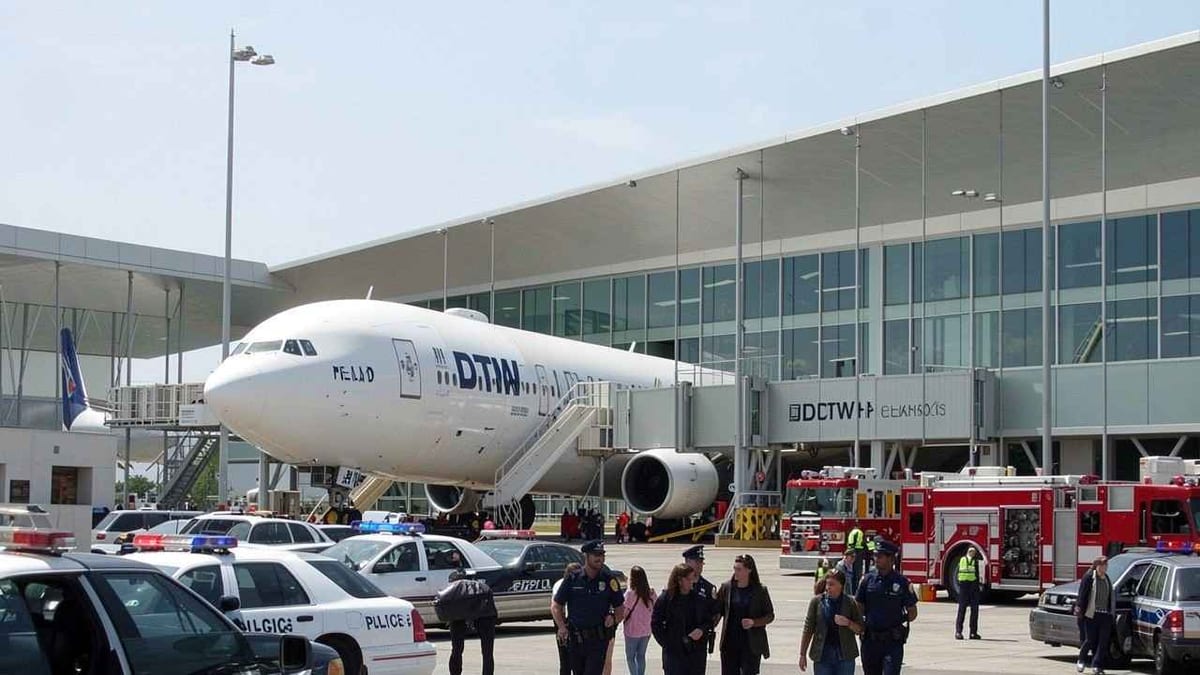
From Seattle Departure to Midwestern Detour
According to publicly available flight tracking information, United Airlines Flight UA2101 was scheduled to depart Seattle Tacoma International Airport for Chicago O Hare on a recent evening but remained on the ground in Seattle for a prolonged period before departure. The aircraft eventually took off, only to divert en route to Indianapolis International Airport instead of continuing on to Chicago.
Data from online flight status tools show that the service, typically a nonstop route linking the Pacific Northwest with one of United s key Midwestern hubs, departed significantly behind schedule compared with its planned departure time. Reports indicate that the delay originated at the gate and continued as a ground hold on the tarmac in Seattle, where traffic management programs and changing conditions can create rolling departure constraints.
The diversion to Indianapolis placed passengers several hundred miles from their intended destination and outside United s primary hub system for that corridor, complicating onward travel and making rebooking more challenging for some travelers who were aiming to connect in Chicago to additional domestic and international services.
Tarmac Delays and Federal Time Limits
The extended ground hold in Seattle came against the backdrop of long standing federal rules that limit how long airlines may keep passengers on board aircraft during tarmac delays within the United States. Department of Transportation rules generally require carriers to allow passengers to deplane after three hours for domestic flights, with only narrow exemptions such as air traffic control or safety constraints that make returning to a gate unworkable.
Recent federal Air Travel Consumer Reports and enforcement cases highlight how regulators closely track these events. Government data and previous enforcement actions show that United, like other major carriers, has faced scrutiny and financial penalties in past years over tarmac delays that exceeded regulatory limits. These records underscore how operational decisions during ground holds are shaped not only by airport congestion and weather but also by the risk of regulatory violations and penalties.
For travelers, that framework means an airline confronted with rising ground times must choose between holding the aircraft in line for departure, returning to a gate to allow passengers off, or canceling outright. In some situations, carriers ultimately proceed with departure only to face new constraints en route, such as airspace congestion, weather, or crew duty limits, and may divert to an alternate airport as occurred with UA2101.
Crew Duty Limits and the Decision to Divert
Reports referencing UA2101 indicate that the combination of a long tarmac delay and a late departure likely compressed the working hours available for the flight s crew under federal duty time regulations. These rules set maximum duty periods and required rest for pilots and cabin crew, restricting airlines from operating if a flight would cause staff to exceed their allowable duty windows.
When delays on the ground in Seattle consumed a substantial portion of the planned duty period, the crew s remaining legal operating time for the Seattle to Chicago sector would have narrowed. Flight planning tools must then account not only for flying time but also for expected holding patterns, taxi times on arrival, and possible gate congestion at the destination. If forecasts indicate that a crew would time out before reaching the intended destination or completing post flight tasks, a diversion to a closer airport can become the least disruptive option.
Indianapolis International Airport often serves as a practical diversion point for flights crossing the Midwest, offering ample runway capacity and the ability to park arriving aircraft even during periods of congestion at larger hubs. In the case of UA2101, publicly available information suggests that diverting to Indianapolis allowed the flight to land within the crew s legal duty period while giving United options to reposition the aircraft and re accommodate customers.
Passenger Experience and Rebooking Challenges
Accounts circulating on social media platforms and aviation discussion forums describe a frustrating series of events for passengers aboard UA2101, beginning with the extended ground hold in Seattle and culminating in an unexpected arrival in Indianapolis rather than Chicago. Travelers reported uncertainty about when they would reach their final destinations and described difficulties securing alternative routings on already busy summer flights.
For passengers on point to point itineraries between Seattle and Chicago, the diversion translated into additional travel time by air or ground to complete the final leg. Those with connecting flights out of Chicago faced missed onward services, overnight stays, and competition for limited open seats on subsequent departures. As is typical after diversions, some passengers appear to have been rebooked on later flights while others explored alternatives such as rental cars or ground transportation between Indianapolis and Chicago.
Consumer advocates often emphasize that in diversion scenarios tied to weather or air traffic constraints, airlines are generally not required under U S regulations to provide compensation beyond rebooking on the next available flight. However, carriers sometimes offer meal vouchers or hotel accommodations as a goodwill gesture, depending on circumstances and internal policies. Publicly accessible commentary as of this weekend suggests passengers on UA2101 encountered a mix of solutions that varied based on their individual itineraries and status with the airline.
Broader Pressure on Summer Operations
The UA2101 diversion highlights wider pressures on the North American air travel system during the summer period, when tight schedules, high load factors, and convective weather can combine to create cascading delays. Traffic management advisories from federal air traffic coordination centers in early July pointed to low clouds and congestion affecting several West Coast airports, including Seattle, which can trigger ground delay programs and hold departing flights at their origin airports.
Industry data in recent years show that during peak travel months, domestic carriers face elevated risks of both extended tarmac times and diversions as they work to maintain dense schedules with limited slack. Even when long delays remain within regulatory limits, the ripple effects can lead to crews reaching duty time caps, aircraft falling out of planned rotations, and passengers stranded far from home or their intended transit hubs.
For travelers planning trips through busy hubs such as Seattle and Chicago, the events surrounding UA2101 serve as a reminder that indirect operational factors such as ground holds and crew availability can be as disruptive as weather itself. Flexible itineraries, buffer time between connections, and real time monitoring of flight status remain important strategies for managing the risks that come with flying during the most crowded weeks of the year.