


More news on this day
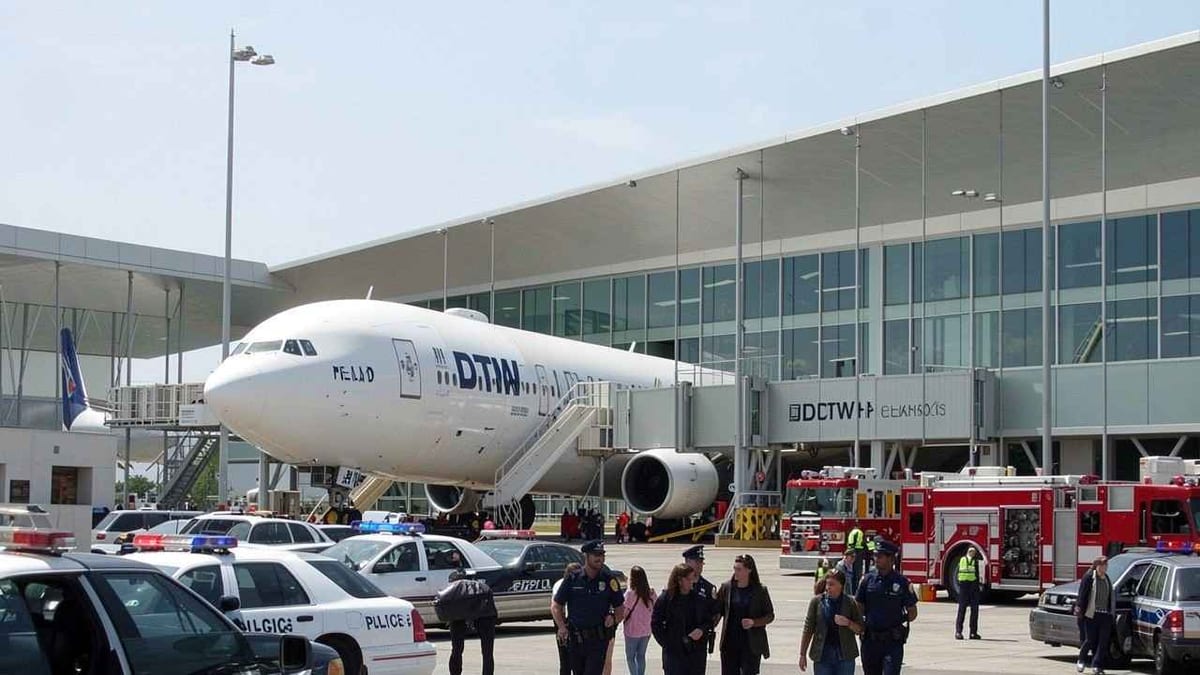
An American Airlines service operating as Flight AA1734 was redirected to Milwaukee Mitchell International Airport, temporarily disrupting schedules and drawing attention to how airlines and airports handle unscheduled diversions in the upper Midwest.
Get the latest news straight to your inbox!
Diversion Places Spotlight on Busy Midwest Corridor
The diversion of Flight AA1734 to Milwaukee occurred along one of the most heavily trafficked air corridors in the United States, linking major hubs around Chicago with destinations across the country. Publicly available flight status data shows AA1734 listed in connection with operations between Chicago O Hare International Airport and Milwaukee, illustrating how closely linked the two airports are within American Airlines regional network.
Milwaukee Mitchell International Airport serves as a key secondary gateway for the broader Chicago and Lake Michigan region. The airport handles a mix of mainline and regional services for American Airlines, alongside flights from Delta, Southwest, United, and other carriers. Its location and runway capacity allow it to accommodate unscheduled arrivals when weather, congestion, or other operational factors affect nearby airports.
In this context, the diversion of a regularly scheduled American Airlines service underscores Milwaukee s role as an important relief and contingency airport. The facility s proximity to Chicago means it is frequently part of rerouting plans when delays build along the shore of Lake Michigan or when gate availability becomes constrained at O Hare.
Milwaukee Mitchell s Role in Handling Diversions
Milwaukee Mitchell International Airport has been steadily positioning itself as a flexible, passenger friendly option for both origin and diversion traffic. Airport information made publicly available by Milwaukee County and the airport operator notes that the facility is equipped to handle a full range of commercial aircraft and supports major airline partners, including American Airlines, with established ground handling and customer service operations.
Regularly updated flight schedules and route maps show that Milwaukee maintains nonstop connections to dozens of destinations across the United States, supported by multiple carriers. This baseline of daily activity helps ensure that when a flight diverts, the airport already has the staffing, gate infrastructure, and service partners necessary to receive passengers and aircraft on relatively short notice.
For passengers on a diverted flight such as AA1734, this can translate into more efficient ground handling, quicker access to customer service desks, and clearer options for rebooking or continuing to final destinations. While any diversion can cause delays, rerouting to an airport that already plays a significant role within an airline s network can reduce complications compared with smaller, less connected facilities.
Operational Context and Passenger Experience
Publicly available aviation data and previous diversion cases indicate that flights are most commonly redirected due to weather, air traffic control flow programs, or technical concerns that require landing at the nearest suitable airport. When this occurs in the upper Midwest, Milwaukee Mitchell often appears among the designated alternates, particularly for services operating in and out of Chicago or other nearby hubs.
For travelers, diversions can mean extended time onboard while an aircraft awaits a new slot, or additional time in the terminal while crews and schedulers determine the safest and most efficient way to complete the journey. Airlines typically prioritize aircraft inspections, crew duty time limits, and the broader route network when deciding whether a flight will continue, terminate at the diversion airport, or be replaced by another aircraft.
In the case of a flight like AA1734, passengers may be offered rebooking onto later departures from Milwaukee, ground transportation to the original destination if it is within driving distance, or alternate routings through other hubs. The specific response can vary by day and by overall network conditions, but the presence of multiple daily departures on American Airlines and its partners from Milwaukee can expand the menu of available options.
Implications for American Airlines Network Planning
The diversion of AA1734 also highlights how American Airlines uses regional and secondary airports to create resilience within its broader network. Schedule data and route planning tools show that American maintains a mix of mainline and American Eagle branded services into Milwaukee, linking it to hubs where passengers can make onward connections. This structure gives the airline additional flexibility when disruptions arise at a primary gateway.
By routing aircraft into an airport that already supports regular American Airlines operations, the carrier can more easily access maintenance resources, spare aircraft, and crews who are familiar with local procedures. This can reduce knock on effects for subsequent flights and limit the spread of delays across the network, particularly during peak travel periods.
At the same time, diversions create a real time test of how effectively airlines communicate with passengers, both via mobile applications and at the gate. Industry observers often point to mobile flight status tools, same day schedule updates, and real time notifications as increasingly important elements in helping travelers navigate unexpected changes such as a diversion to Milwaukee.
What the Incident Signals for Midwest Travelers
For travelers across the Midwest, the redirection of an American Airlines service like Flight AA1734 underscores the value of understanding the role that nearby airports can play during irregular operations. Passengers departing from or connecting through Chicago, Minneapolis, Detroit, or other regional hubs may find that alternates such as Milwaukee Mitchell, among others, are frequently used as pressure valves when schedules become strained.
The incident also reinforces how airports like Milwaukee can benefit from investments in infrastructure and customer services that make them more capable of handling both scheduled and unscheduled traffic. As airlines continue refining their operational playbooks, the ability of a secondary airport to absorb diversions smoothly can become a competitive advantage for both the airport and the carriers that serve it.
While specific details surrounding any individual diversion can vary, the experience of AA1734 being redirected to Milwaukee fits into a broader pattern of how airlines manage risk and keep passengers moving when conditions change. For many travelers, the presence of a well equipped alternate airport within a short flying time can be the difference between an extended disruption and a manageable delay.