


More news on this day
A recent emergency involving a cruise vessel alongside a busy international pier is drawing attention to how quickly port services, medical teams and cruise operators move when something goes wrong while a ship is still tied up to the dock.
Get the latest news straight to your inbox!
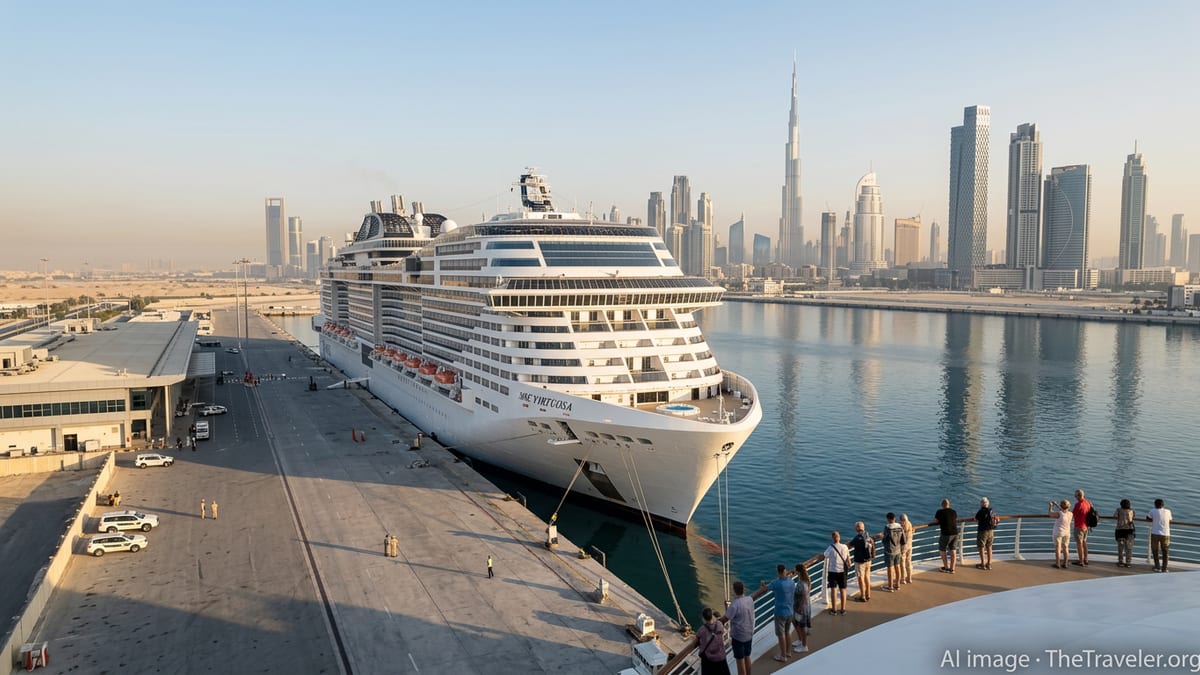
Incident at the Pier Underscores Onboard Risks
Accounts from recent cruise sailings show how rapidly a routine day in port can shift once an alarm sounds on a docked ship. In several widely reported cases over the past year, passengers have described being kept inside lounges or cabins while medical teams and port-side responders boarded to assist an ill traveler or address a technical issue. While such events typically resolve without wider disruption, they highlight how a modern cruise ship functions as a small floating city, where any serious medical case, fall at the gangway or localized fire can trigger a large-scale response plan.
Industry coverage of recent incidents points to a consistent pattern: as soon as an emergency is identified, onboard teams stabilize the situation while port authorities coordinate shore-side access for ambulances, fire crews or specialized equipment. In some situations, as seen in electrical or engine-room fires on passenger vessels in recent years, the vessel’s own firefighting teams work alongside municipal fire services that board via the gangway or from dedicated response boats in the harbor.
Although emergencies receive significant attention when they occur in port, publicly available information from safety investigations and cruise-line statistics indicates that such incidents remain relatively rare when measured against the millions of annual cruise guests. Even so, each response is scrutinized by regulators and insurers, feeding back into updated port contingency plans, crew training and passenger safety briefings.
Coordinated Response Between Ship and Shore
Emergency playbooks for cruise ports outline how responsibilities are shared between a ship’s crew and shore-based agencies once an alarm is raised at the dock. The vessel’s master and bridge team initiate internal protocols, from mustering medical staff to isolating affected areas, while the port’s operations center notifies municipal fire, police and emergency medical services. Publicly posted response frameworks used in major cruise destinations show that these procedures are rehearsed in joint drills designed around worst-case scenarios such as a mass evacuation or a serious onboard fire.
In practice, coordination often begins with seemingly routine actions: securing the gangways, clearing vehicle lanes on the pier, and staging ambulances and fire appliances at predesignated access points. For medical evacuations, port-side paramedics typically board the ship with compact equipment, transfer the patient to a stretcher that meets both maritime and city ambulance standards, and then escort the person off via the most direct route from cabin or infirmary to quay.
Where fire or smoke is involved, reports on recent vessel incidents show that port fire brigades integrate with the ship’s own emergency parties, which are already familiar with the vessel’s layout, fire doors and suppression systems. Training materials used in cruise terminals stress the importance of establishing a unified command post on shore, where ship officers and port incident managers share plans, deck diagrams and updates before deciding whether passenger evacuation to the pier is necessary.
Passenger Experience During a Dockside Emergency
For travelers, a dockside emergency can be disorienting. Trip reports and social media posts from recent cruises describe late-night announcements asking guests to remain in cabins, the temporary closure of bars and open decks, and the sight of flashing lights on the pier or a pilot boat alongside. In many cases only a small portion of the ship is directly affected, but the crew may impose shipwide restrictions to keep stairwells and elevator lobbies clear for responders.
Port-side medical evacuations while docked are often less dramatic than at-sea helicopter operations, yet for the traveler involved they can be life-changing. In published accounts, passengers have written about being taken ashore for urgent surgery or advanced diagnostics that cannot be provided in the ship’s infirmary. Cruise lines typically arrange for luggage handling and liaison with local port agents, while families decide whether to remain with the patient or continue the voyage.
When fire alarms or smoke lead to a partial evacuation to the pier, passengers may be directed into terminal buildings, bus bays or temporary holding zones. Port emergency plans call for water, shade and basic medical screening in these areas, along with multilingual announcements that explain delays and next steps. Travel insurance and cruise contracts then shape how missed ports, extended stays or flight changes are handled once the immediate safety concerns have passed.
How Ports Prepare for Worst-Case Scenarios
The sight of multiple fire trucks, ambulances and patrol boats converging on a docked ship reflects years of planning by port authorities and cruise lines. Publicly available contingency documents for major terminals describe detailed arrangements for mass evacuation, from assigning berths that can handle large crowds on the pier to maintaining clear road access for buses and emergency vehicles. These plans are often developed in consultation with coast guard agencies, city emergency managers and health departments.
Tabletop exercises and live drills simulate scenarios such as a large fire in passenger accommodation, a hazardous materials incident in the engine room, or a simultaneous medical outbreak and technical failure. During these exercises, responders practice communication channels, test radio interoperability between ship and shore, and verify that mustering areas in terminals can handle thousands of people at short notice. Observers then produce after-action reports that recommend changes to signage, lighting, fencing or staffing levels.
In regions where cruise traffic is seasonal, ports adapt their staffing and equipment to match the peaks. Some terminals maintain dedicated emergency response teams trained in maritime operations, while others rely on municipal services that receive specialized familiarization tours on visiting ships. Recent high-profile responses at cargo and passenger terminals have reinforced the value of having tugboats, firefighting launches and portable pumps ready for deployment alongside standard dockside resources.
What Travelers Should Know Before Boarding
As cruise travel continues to rebound, safety specialists encourage passengers to pay attention to the safety briefing, note the location of muster stations and exits near their cabin, and keep essential items such as medication and travel documents in an easily accessible bag. While the likelihood of being involved in a major dockside emergency remains low, understanding the basics of evacuation routes and alarm signals can reduce confusion if a real incident occurs during a port call.
Travel industry guidance also highlights the role of comprehensive travel insurance that includes medical care and evacuation coverage. In situations where a traveler must disembark for treatment while the ship is docked, this coverage can help manage the costs of extended hotel stays, last-minute flights and medical transport, particularly in destinations where public healthcare access for visitors is limited or where specialist services are concentrated in another city.
For ports and cruise operators, each emergency at the dock serves as a live test of detailed response plans. For passengers, it is a reminder that the calm of a seaside terminal can change quickly, and that clear communication, practiced procedures and cooperation between ship and shore teams are central to bringing an unfolding incident under control.