


More news on this day
Air Canada passengers traveling through Canada’s busiest hubs on Friday, May 22 faced a fresh round of disruption, with nine flights reportedly canceled and at least 55 delayed across routes touching Toronto, Vancouver, Montreal, Calgary, and Ottawa.
Get the latest news straight to your inbox!
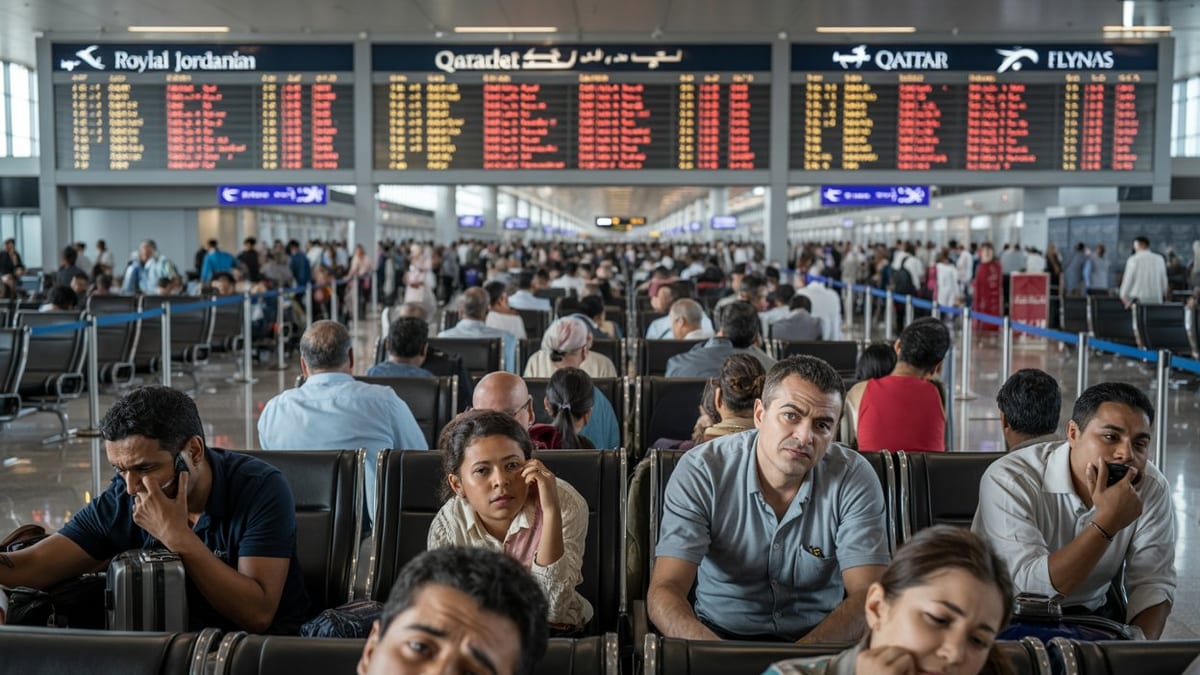
Knock-on Disruption Across Canada’s Busiest Routes
Publicly available flight-tracking data and operational reports indicate that a cluster of Air Canada cancellations and delays on May 22 added new strain to an already challenging spring for the carrier. While the headline numbers of nine cancellations and 55 delays are modest compared with earlier nationwide disruption this month, the impact was magnified because many of the affected services linked the country’s largest hubs.
Toronto Pearson, Vancouver International, Montreal-Trudeau, Calgary International, and Ottawa Macdonald–Cartier all feature heavily in Air Canada’s domestic network. Disruption at one major hub can quickly cascade through the system via late-arriving aircraft and crew rotations, a pattern that analysts have noted repeatedly in recent weeks as delays have built through the day on busy domestic trunk routes.
Travel data providers tracking Canada’s air traffic in May have repeatedly highlighted Air Canada as one of the most affected airlines when broader disruption hits the country’s aviation system. Earlier in the month, some monitoring sites recorded dozens of Air Canada cancellations and more than 40 delays in a single day across Toronto, Montreal, and Calgary, setting the backdrop for Friday’s additional operational challenges.
For passengers, the practical effect of a handful of canceled flights and several dozen delays is longer lines at check-in and customer service desks, missed connections, and a higher risk of same-day rebookings operating late or with limited seat availability on key domestic corridors.
Key Hubs See Pressure on Domestic Trunk Routes
The routes most exposed to disruption on Friday were those linking Canada’s largest population centers. Publicly accessible route and schedule data show that Air Canada operates dense schedules between Toronto and Montreal, as well as between Vancouver and Toronto, with multiple departures across the day. Recent performance data for some of these services indicate elevated average delays, particularly on the busy Vancouver to Toronto corridor in May.
Average delay figures compiled from flight-tracking platforms for certain Air Canada services between Vancouver and Toronto this month have exceeded one hour on some departures, underscoring how a single late aircraft can propagate downstream delays across subsequent rotations. Similar patterns have been observed on high-frequency shuttle-style services linking Toronto and Montreal, where even relatively short hold-ups can squeeze already tight turnaround windows.
On Friday, delays affecting morning and midday departures into Toronto and Montreal increased the likelihood of late-running aircraft arriving into Calgary, Ottawa, and Vancouver later in the day. Operational summaries from earlier disruption days in May show that when Toronto Pearson experiences a concentration of delayed departures, airports such as Ottawa and Calgary often register secondary spikes in late arrivals and knock-on schedule changes.
Although not all of Friday’s issues were publicly attributed to a single cause, recent days have seen a mix of factors including localized air traffic management constraints, staffing pressure, and residual congestion from earlier disruptions contribute to reduced on-time performance at Canada’s main hubs.
Recent Pattern of Elevated Cancellations and Delays
The latest disruption follows a sequence of challenging operational days for Canadian carriers in May. Recent coverage from aviation-focused outlets noted that on May 14, more than 180 flights were delayed or canceled across Toronto, Montreal, and Calgary, with Air Canada accounting for a significant share of both categories. Later in the month, further reports described over 200 delays and more than 40 cancellations nationwide on another particularly difficult day, again with Air Canada among the most affected carriers.
Separate reporting on May 21 highlighted at least 50 cancellations and close to 300 delays across Canada’s major airports, a spike that strained both airline and airport resources and left thousands of travelers coping with extended waiting times and missed onward connections. These events have heightened scrutiny of operational resilience at large Canadian hubs and of the ability of airlines to recover after a day of heavy disruption.
Industry analysts observing the Canadian market have pointed to a combination of strong travel demand, tight aircraft and crew utilization, and ongoing cost pressures such as jet fuel prices as factors that can reduce operational flexibility. When schedules are built around high aircraft utilization and quick turnarounds, relatively small issues can more swiftly translate into cancellations or rolling delays later in the day.
While Friday’s total of nine Air Canada cancellations and 55 delays did not reach the levels seen on the most severely affected days this month, the timing and concentration of the disruptions on core domestic routes made them particularly visible to travelers beginning the weekend.
What Disruption Means for Affected Passengers
For travelers caught up in Friday’s cancellations and delays, the immediate challenges included missed meetings, disrupted leisure plans, and complicated connections to secondary Canadian cities or international flights. Because many itineraries through Toronto, Vancouver, Montreal, Calgary, and Ottawa rely on tight connection windows, even relatively short delays can force rebookings, especially in peak periods when alternative flights are heavily booked.
Consumer-rights organizations and travel-compensation services have been closely tracking flight-data trends in Canada throughout 2026. Their public guidance generally stresses the importance of documenting actual departure and arrival times, keeping receipts for any out-of-pocket expenses, and checking eligibility for compensation or reimbursements under applicable Canadian and international air passenger rules when delays or cancellations fall within an airline’s control.
Published information from passenger forums and compensation platforms this month suggests that some Air Canada customers affected by earlier disruptions in March and May are actively contesting denied compensation claims, particularly in cases where they question whether the cause of delay was truly outside the airline’s control. Those disputes highlight the complexity of applying passenger-rights frameworks in practice, especially on days when weather, air traffic control constraints, and airline-specific operational issues coincide.
In the short term, passengers due to travel with Air Canada on routes involving Toronto, Vancouver, Montreal, Calgary, or Ottawa are being advised by many travel specialists to monitor flight status frequently on the day of departure, allow extra time for airport formalities, and keep contingency plans in mind for onward connections in case of further schedule changes during this period of elevated disruption.
Outlook for Canada’s Peak Travel Season
Friday’s disruptions arrive just as Canada heads into the late spring and summer travel season, traditionally one of the busiest periods for domestic and transborder demand. Air Canada has been reshaping parts of its network in response to a mix of demand patterns and rising operating costs, including adjusting some Canada to United States routes and refining seasonal schedules.
Industry commentary suggests that, while schedule adjustments and route suspensions can help manage longer-term cost pressures, they do not by themselves resolve short-term punctuality issues on heavily trafficked domestic corridors. For that, airlines rely on a combination of operational buffers, sufficient spare aircraft and crew, and close coordination with airports and air navigation services, particularly on days of high demand.
Some aviation observers anticipate that Canadian carriers, including Air Canada, will come under increased pressure to demonstrate improved on-time performance as the summer progresses, especially after several high-profile days of cancellations and delays in May. Reliability on trunk routes linking Toronto, Vancouver, Montreal, Calgary, and Ottawa will be central to that effort, because disruption on those corridors can quickly ripple across regional and international networks.
For travelers planning trips in the weeks ahead, the latest episode of nine Air Canada cancellations and 55 delays serves as a reminder to build flexibility into itineraries, consider longer connection windows on critical journeys, and pay close attention to evolving operational conditions at Canada’s largest airports.