


More news on this day
Air Canada and WestJet are launching new rounds of fall flight deals as more Canadians pivot away from peak-summer vacations toward cooler, shoulder-season escapes across Canada, Europe and other temperate destinations.
Get the latest news straight to your inbox!
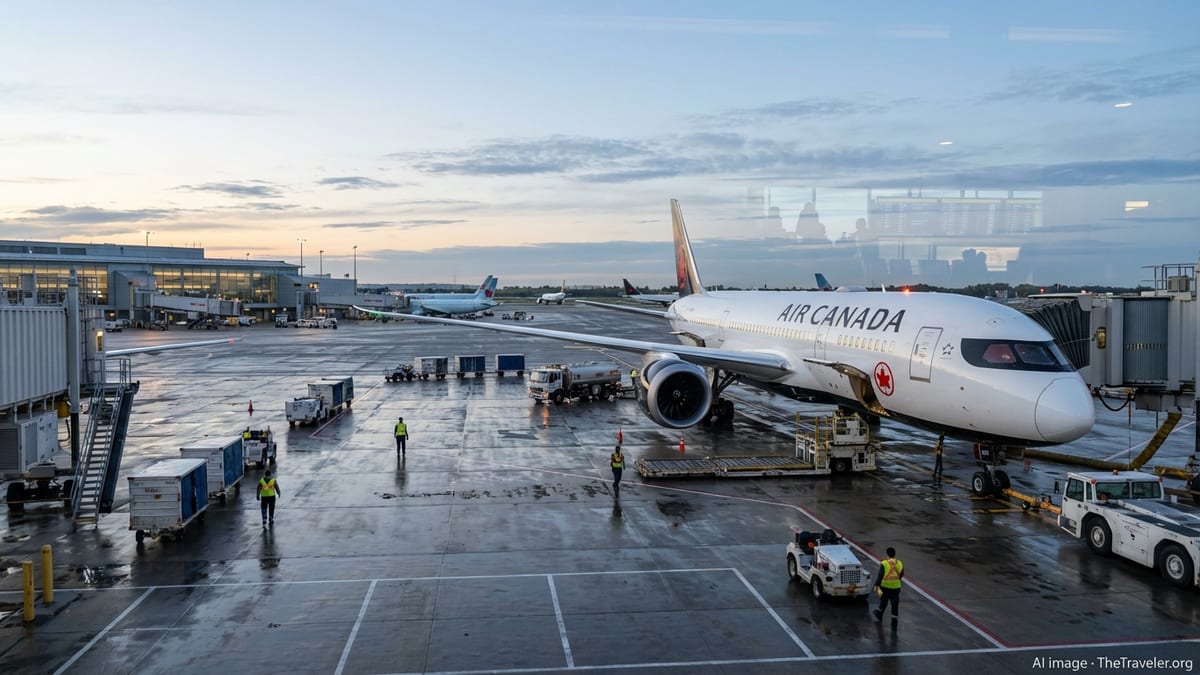
New Promotions Target Shoulder-Season Demand
Air Canada and WestJet are aligning their latest seat sales and special offers with a clear shift in when and where Canadians want to travel. Publicly available information on recent promotions shows discounted base fares on select routes through the fall travel period, with booking windows clustered around late summer and early autumn. While each carrier structures its discounts differently, both are using percentage-off codes and market-specific fare reductions to stimulate demand after the peak summer rush.
Air Canada’s current promotional activity includes targeted sales on transatlantic and sun routes, marketed as opportunities to lock in lower fares before the winter holidays. Its “Europe Awaits” campaign, for example, highlights reduced one-way economy fares from Canadian gateways to major European cities for travel into the cooler months, subject to advance purchase and blackout dates.
WestJet has been running periodic promo-code events on domestic and Canada–United States services, typically offering limited-time discounts on base fares. Archived offer details and consumer discussions indicate that these sales often focus on midweek departures and shoulder-season dates, encouraging travellers to shift away from peak holiday periods toward quieter stretches in September, October and November.
Industry fare data and consumer tracking tools suggest that not every route benefits equally during these promotions, but the overall pattern points to a competitive push by both airlines to capture value-conscious travellers who remain flexible on timing and destination.
Canadians Embrace Cooler “Fall Getaways”
Travel trend reporting for 2024 and 2025 indicates a steady rise in Canadians choosing autumn trips over summer peak, often to enjoy milder temperatures and smaller crowds. Research cited by tourism boards and online travel agencies shows September and October gaining traction as preferred months for European vacations, including trips to cooler-climate countries such as Switzerland and the Nordic region, where scenic rail journeys and outdoor activities are promoted as fall highlights.
Within Canada, national travel surveys from Statistics Canada show that domestic leisure trips remain strong, with Canadians spending tens of billions of dollars per year on transportation, accommodation and experiences close to home. Recent bulletins and seasonal outlooks point to growing interest in cooler-weather activities such as hiking, leaf-peeping and coastal city breaks, especially outside the traditional July and August peak.
Insurance and booking platforms that monitor Canadian travel behaviour have also reported a rising appetite for so‑called “cool‑cations” in recent fall seasons, where travellers favor destinations with more moderate temperatures and lower climate‑related disruption risks. Northern Canada, coastal British Columbia and Atlantic Canada are frequently highlighted as attractive options in the shoulder months for stargazing, northern lights viewing and nature-focused stays.
This shift in timing and climate preference appears to dovetail with airline efforts to keep aircraft full after summer, reinforcing the strategic importance of fall promotions for Canada’s major carriers.
Domestic Routes, Europe and Cooler Coastal Cities Stand Out
Network and destination data indicate that Air Canada and WestJet are concentrating their fall offers on a mix of domestic routes, transborder flights and key transatlantic links where cooler-weather demand is strongest. Air Canada’s schedule shows extensive coverage across Canadian provinces along with dozens of European cities reachable via hubs such as Toronto and Montreal, positioning the airline to capture Canadians looking for early- or late-season city breaks rather than high-summer heat.
Market insight reports focused on Canada note that searches and bookings for Europe increasingly peak in the fall shoulder season, when Canadian travellers can combine cultural sightseeing with more comfortable temperatures. Scenic rail itineraries, culinary tourism and outdoor excursions are frequently cited as drivers of this trend, especially in countries like Switzerland where autumn landscapes and cooler air are part of the appeal.
Domestically, regional links to smaller Canadian cities and resort gateways give both airlines an opportunity to promote fall foliage trips, wine-country weekends and coastal escapes. Air Canada’s regional network and WestJet’s Encore operations provide connectivity to destinations in Atlantic Canada, Quebec, Ontario and British Columbia that actively market autumn experiences, from harvest festivals to coastal hiking.
Travel-industry snapshots also indicate that Canadians are extending the traditional “cottage season” into September and even October, using long weekends and flexible work arrangements to plan shorter, more frequent domestic getaways. Flight deals that align with these patterns, particularly on Thursdays, Fridays and Mondays, are well placed to capture this demand.
Value Remains Central as Canadians Watch Budgets
While interest in travel is robust, survey data and market updates show that Canadians remain highly price-sensitive, with many watching for promotions before committing to flights. Recent polling summarized by research firms such as Leger reports that more than half of Canadians intend to take a leisure trip within given seasonal windows, but a growing share plan to stay within Canada or choose nearby destinations, partly to manage costs.
Tourism and economic reports from federal agencies also underline the importance of transportation costs in overall trip spending, with transportation accounting for roughly one‑third of domestic travel expenditures. In this context, even modest airfare discounts can influence decisions on destination, trip length and whether to book at all, especially for families facing higher costs across other categories.
Online fare‑tracking discussions show that travellers have become more sophisticated about evaluating whether a sale represents genuine value, often comparing current prices against historical averages on search platforms before booking. This scrutiny places additional pressure on airlines to structure fall promotions that resonate with informed consumers, even as dynamic pricing means not all routes see visible cuts.
By anchoring new deals to off‑peak dates, secondary airports and less crowded destinations, Air Canada and WestJet are effectively using promotions to steer demand while appealing to travellers seeking both cooler weather and better value.
How Travellers Can Make the Most of Fall Flight Deals
For Canadians considering a fall trip, industry data and historical booking patterns point to several strategies for maximizing value from current offers. Public fare rules and past sale structures suggest that flexibility on travel dates, especially midweek departures and returns outside of holiday periods, can significantly improve the chances of finding lower fares during airline promotions.
Travel-research platforms recommend monitoring multiple routes or destinations rather than fixating on a single option, as some markets are more aggressively discounted than others during sales. Canadians who are open to cooler‑weather city breaks, coastal getaways or northern lights adventures typically have more opportunities to shift to routes where discounts are deepest.
Experts who analyze Canadian travel trends also highlight the benefits of combining fall flight deals with off‑peak accommodation pricing, particularly in regions where summer is the dominant high season. Pairing discounted airfare with lower hotel or vacation-rental rates can make cooler-season trips comparatively more affordable than mid-summer holidays, even when base fares do not fall dramatically.
As Air Canada and WestJet continue to refine their fall offers, the intersection of cooler-weather preferences, off‑peak timing and heightened price awareness is likely to remain central to how Canadians plan their travel in the coming seasons.