


More news on this day
All commercial flights in and out of Guernsey were cancelled on Thursday evening after a band of persistent sea fog reduced visibility below safe operating limits, triggering widespread travel disruption at one of the Channel Islands’ key air gateways.
Get the latest news straight to your inbox!
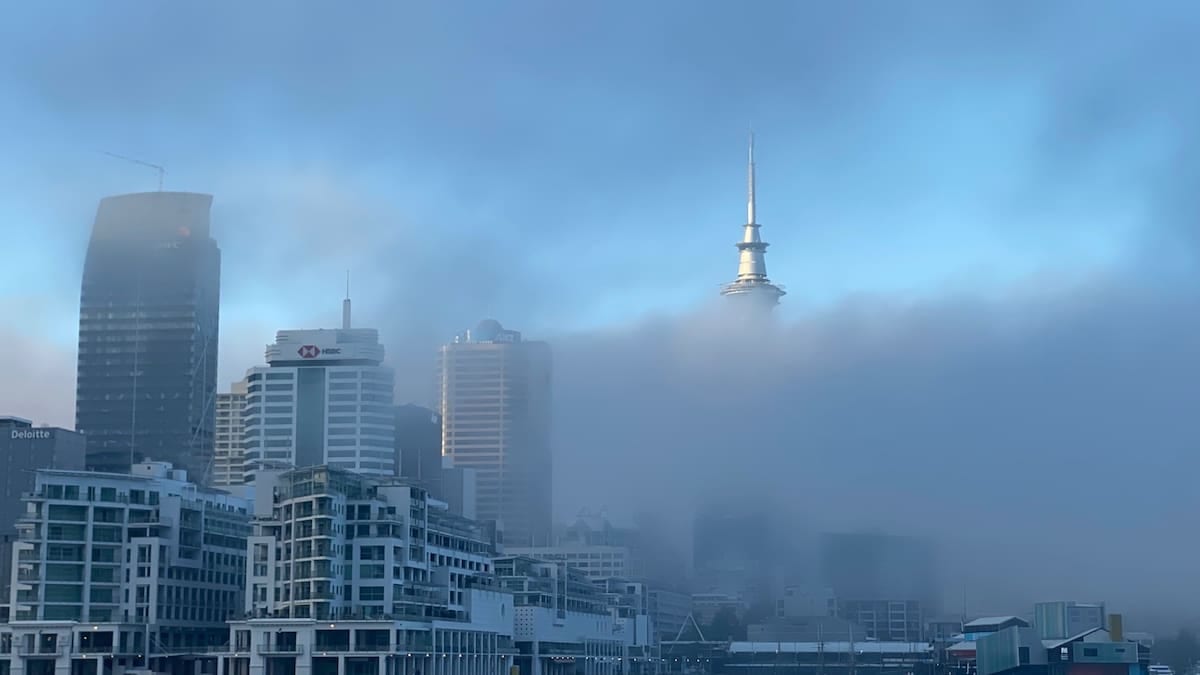
Evening schedule wiped out as visibility collapses
Publicly available information from Guernsey Airport shows that Thursday’s problems began when dense fog settled over the airfield, limiting runway visibility and forcing inbound aircraft to divert to airports in the United Kingdom rather than attempt approaches into Guernsey. As conditions failed to improve, the airport confirmed that all remaining evening flights were cancelled, bringing scheduled passenger operations to a standstill.
Coverage from regional outlets indicates that the cancellations affected the full slate of late services, with Aurigny and other carriers unable to recover aircraft or crew back to Guernsey before nightfall. Inbound flights that had already departed circled in holding patterns before diverting, leaving some passengers unexpectedly overnighting on the mainland while others remained on Guernsey awaiting alternative departures.
Live tracking and airport data suggest the disruption is set to extend into Friday, with aircraft and crews out of position and early-morning rotations likely to face further delays if low cloud and fog linger around the island. Travel advisories urge passengers to check flight status before leaving for the airport and to be prepared for longer queues once operations resume.
Accommodation and passenger support under pressure
The timing of the fog event has created additional strain on Guernsey’s limited accommodation stock. Reports note that the cancellations coincided with a period of elevated visitor numbers, tightening hotel availability both for stranded outbound passengers and for those diverted away from the island who had been due to arrive on Thursday evening.
According to published coverage, Guernsey Airport has been working alongside the States of Guernsey, Guernsey Ports, Visit Guernsey and the airlines to secure overnight rooms where possible and to coordinate rebooking options. Emergency contingency measures were activated to assist travelers who were unable to find accommodation independently, reflecting the logistical challenge of housing large numbers of disrupted passengers on a small island.
Similar episodes at other remote and island airports show that knock-on effects can persist for several days as carriers reposition aircraft, re-crew flights and clear passenger backlogs. Travel advisories linked to the Channel Islands recommend that affected passengers keep boarding passes, booking confirmations and receipts for unexpected expenses, in case they are eligible for reimbursement under airline policies or local regulations.
Fog as a recurring challenge for Channel Islands aviation
The latest shutdown highlights how vulnerable Guernsey remains to fog-related disruption. Meteorological and aviation analyses of the Channel Islands describe frequent episodes of coastal sea fog, formed when relatively warm, moist air passes over colder surrounding waters. This can cause rapid deteriorations in visibility, particularly during shoulder seasons when air and sea temperatures diverge.
Historical data compiled for Guernsey Airport shows that periods of visibility below instrument landing system minima are associated with spikes in delays and cancellations, with one parliamentary review estimating that fog can account for dozens of affected movements each month during the worst spells. Although the absolute number represents a small share of total traffic, events are often highly concentrated, producing severe disruption over short windows such as Thursday’s shutdown.
In response to this recurring challenge, regional carrier Aurigny has equipped its ATR72-600 fleet with enhanced vision technology intended to improve the ability to operate in marginal conditions. Reports from earlier fog events note that crews have, on occasion, still needed to divert when conditions fell below strict safety thresholds, underlining that even upgraded avionics cannot fully eliminate the operational impact of very low visibility.
Wider context: previous fog disruptions at Guernsey
Thursday’s cancellations follow a pattern of weather-driven disruption at Guernsey Airport. Earlier this year, extended fog episodes across Guernsey and neighbouring Alderney caused weekends of delays and diversions, with some services operating hours late and others cancelled outright. On at least one occasion, local media reported that Alderney saw no flights for an entire weekend because of persistent low cloud and fog enveloping the islands.
Radio and online coverage from past incidents describe how multiple ATR aircraft departed Guernsey as scheduled but were unable to return, instead diverting to UK airports after repeated missed approaches in poor visibility. When that occurs, knock-on disruption can spread into the following day, as aircraft and crews remain out of position and the first wave of morning flights is cut or delayed while operators work to rebuild the schedule.
The current episode appears to be following a similar trajectory, with guidance for departing passengers on Friday morning to arrive early, monitor flight information screens closely and anticipate a busier-than-normal terminal as airlines attempt to clear the backlog. For an island that depends heavily on reliable air links for business, tourism and medical travel, such clusters of cancellations continue to attract close scrutiny.
Advice for travelers caught up in the disruption
Travel resources for the Channel Islands consistently recommend that passengers treat fog as a predictable, if intermittent, operational risk. Guidance from nearby Jersey Airport on handling delays and cancellations, for example, stresses the importance of monitoring airline communications, using official websites and apps for real-time updates, and contacting carriers directly regarding rebooking options when flights are disrupted by weather.
Passengers affected by the Guernsey fog cancellations are advised to avoid making nonrefundable onward bookings, such as rail tickets or hotel stays, until their replacement flight is confirmed as operating. Those already checked in for cancelled services are typically directed to airline service desks at the airport to discuss alternative itineraries, refund possibilities or, where applicable, accommodation and meal support.
Travel planners also note that building additional time into itineraries involving the Channel Islands can reduce the impact of unexpected weather delays. Where possible, same-day interline connections via major hubs are best scheduled with generous layovers, and critical appointments on the mainland are often safest planned for at least a day after an intended arrival from Guernsey during seasons when fog is more frequent.
BBC: All flights cancelled due to persistent fog at Guernsey Airport
Island FM: Fog causes major disruption at Guernsey Airport
Flightradar24 Blog: Why the Channel Islands are prone to fog
States of Guernsey: Visibility, ILS upgrades and fog-related delays analysis