


More news on this day
Hong Kong’s hopes of a full restoration of Middle East connectivity have suffered a new setback, as Cathay Pacific extends the suspension of its Dubai and Riyadh services through November amid continuing regional tensions.
Get the latest news straight to your inbox!
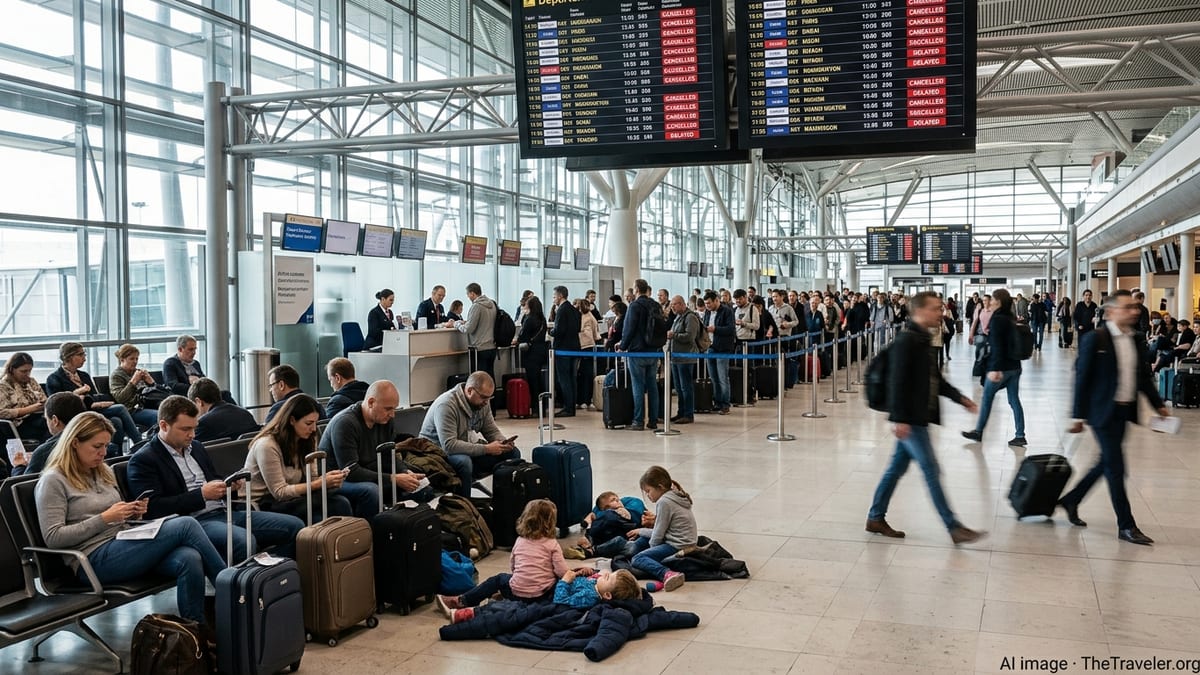
Suspension Now Stretches to End of November
Publicly available information from multiple outlets shows that Cathay Pacific has cancelled all passenger flights between Hong Kong and its two Gulf destinations, Dubai and Riyadh, up to and including 30 November 2026. The move reverses earlier plans to restart Middle East services on 1 September, then in late October, and marks the latest in a series of postponements linked to instability in the region.
Reports indicate that the airline is citing “the latest developments in the Middle East” as the reason for the prolonged suspension, after months of periodically extending the halt on operations first announced in early 2026. Previous company disclosures and local media coverage had already documented extensions through April, June and August, reflecting a security picture that has remained unsettled for much of the year.
The cancellations apply specifically to Cathay’s Hong Kong–Dubai and Hong Kong–Riyadh passenger routes, which had been expected to support both point-to-point travel and connecting flows between Asia, the Gulf and Europe. Industry trackers note that Cathay’s freighter operations to the region were already under review, and cargo schedules have also been affected at times by the same risk factors.
Passenger Impact and Flexible Options for Gulf-bound Travellers
The latest extension disrupts plans for travellers across Asia, the Middle East and Europe who rely on Hong Kong as a transit hub. Passengers holding tickets on the suspended services over the coming months are being offered options to rebook, reroute via alternative Cathay destinations, or request refunds under flexible ticket policies that were introduced when the suspension first began.
Earlier advisories covering the Dubai route indicated that customers booked to travel during affected periods could change dates or switch to other Cathay services without usual penalties. Travel industry sources suggest that similar arrangements are expected to apply to the newly cancelled flights through November, though availability of alternative seats may tighten as peak-year demand coincides with reduced capacity on certain networks.
For Hong Kong-based travellers, the loss of nonstop links to Dubai and Riyadh narrows options for reaching the Gulf directly and may push more journeys onto rival hubs such as Doha, Abu Dhabi or existing one-stop routes via other Asian gateways. Travel agents in the city are already steering passengers toward Middle East carriers and alliance partners that continue to operate on overlapping corridors.
Setback for Hong Kong’s Hub Strategy and Saudi Ties
The suspension carries broader significance for Hong Kong’s aviation strategy. Dubai and Riyadh are seen by analysts as important nodes for connecting traffic between East Asia, the Gulf and Europe, and the inability to operate nonstop services from the city weakens its competitive position against fast-growing hubs in the region.
Riyadh holds particular weight because the Hong Kong–Riyadh route is operated exclusively by Cathay Pacific, with previous government and industry commentary describing the link as symbolically important for deepening economic and trade engagement between Hong Kong and Saudi Arabia. The continued halt means that what had been framed as a strategic bridge between the two economies will remain closed at least until December.
On the corporate side, Cathay has emphasized in earlier traffic updates that it plans to redeploy capacity from suspended Middle East routes to destinations where demand remains strong, such as major European cities. While this supports the airline’s overall growth targets, it also underlines the trade-off between securing network resilience and maintaining presence in markets where geopolitical risk is elevated.
Security Concerns and Volatile Fuel Costs Shape Airline Decisions
The decision to extend cancellations through November aligns with wider industry patterns observed when airlines confront significant security or airspace concerns. Aviation analysts point out that carriers typically opt for conservative time frames, setting suspension dates several weeks or months ahead and then reassessing based on evolving conditions, particularly when flight paths could be exposed to regional conflict zones.
Cathay has previously highlighted the impact of heightened geopolitical risk and surging jet fuel prices on its operations, noting in company communications that the combination places pressure on route economics and requires careful management of network exposure. The Middle East disruptions are compounding those cost challenges by forcing some long-haul services to operate longer routes or accept payload limitations when usual technical stops are unavailable.
For now, the airline appears focused on safeguarding its core network to and from Hong Kong, prioritising stability on high-demand long-haul and regional routes while leaving a question mark over when Gulf services can safely and sustainably return. Market observers suggest that any eventual restart is likely to be gradual and closely tied to both security assessments and fuel price trends.
What Travellers Should Watch in the Months Ahead
With the suspension now stretching well into the northern winter season, affected passengers are being encouraged by travel advisers to monitor airline updates and check booking platforms frequently in case of schedule adjustments. Flexible ticket policies have cushioned some of the disruption, but sustained uncertainty around the timing of a restart means that itineraries involving Hong Kong and the Gulf may require more contingency planning than usual.
Industry commentators also note that capacity constraints on alternative routes could push up fares during peak periods, particularly for last-minute bookings. Travellers looking to maintain Middle East or Europe plans via Hong Kong may find it advantageous to secure seats early on remaining options or to consider routings through other hubs until there is clearer visibility on when Cathay’s Dubai and Riyadh flights might resume.
For Hong Kong itself, the prolonged gap in Middle East connectivity underscores how quickly external shocks can disrupt carefully planned route networks. The coming months will test how effectively the city’s flagship carrier and wider aviation ecosystem can balance safety considerations with the goal of preserving Hong Kong’s status as a leading international hub.
RTHK: Cathay axes Dubai, Riyadh flights till end of November
South China Morning Post: Cathay extends Dubai and Riyadh flight suspension through November