


More news on this day
Air India Express is preparing a significant domestic expansion from September 2026, with six new Indian destinations set to join its network and broaden travel choices beyond the country’s metros.
Get the latest news straight to your inbox!
Six New Cities Join a Growing Low Cost Network
Publicly available scheduling data and recent network planning reports indicate that Air India Express is working toward adding six new Indian cities to its map from September 2026, continuing a rapid build out of its domestic footprint. While detailed timetables are still being finalized, the additions are expected to focus on secondary business and tourism centers that can feed the airline’s major hubs at Bengaluru, Delhi and Mumbai.
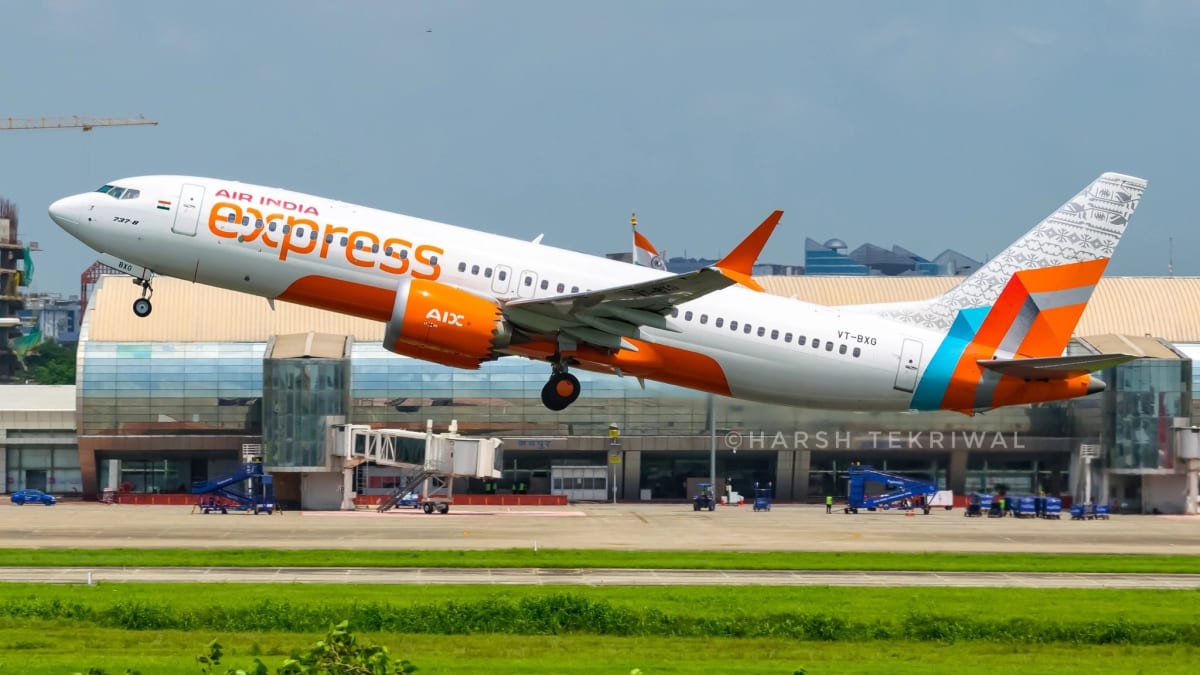
The move follows a period in which Air India Express has steadily shifted from being primarily a Gulf focused carrier to a hybrid low cost airline with a sizable domestic presence. Industry analysis of its operations in early 2026 shows the airline already serving more than 40 domestic points and operating over 500 flights per day, supported by new Boeing 737 MAX aircraft and a growing Airbus narrowbody fleet.
The six new destinations planned for September 2026 are anticipated to align with this strategy, linking emerging cities into the broader Air India Group network. The routes are expected to be scheduled to connect with morning and evening banks of departures at the main hubs, providing same day connections to a range of Indian and short haul international destinations.
Reports suggest that the new points will be split between northern and southern India, with at least some routes likely to be operated from Bengaluru and the upcoming Navi Mumbai International Airport. This approach would mirror earlier phases of expansion where new cities were added in clusters around a single hub to build scale quickly.
Building on Earlier Waves of Domestic Expansion
The September 2026 launches would build on earlier waves of growth already seen in the Air India Express network. In 2025, the airline significantly expanded operations from Bengaluru with additional domestic routes and new international services, including short haul connections into Southeast Asia. Industry route trackers documented new links from the city to multiple tier two Indian markets as part of that effort.
By late 2025 and early 2026, Air India Express had also been used within the Air India Group to take over certain domestic sectors previously flown by the full service carrier. Public discussion among Indian aviation observers noted examples on routes such as Bengaluru to Kolkata, where Air India Express became the primary group operator. This pattern reflects a broader strategy in which Air India focuses on trunk and long haul services while Air India Express concentrates on price sensitive domestic and regional markets.
At the same time, Air India announced plans to expand services to destinations such as Khajuraho and Jaisalmer within its own network, highlighting how both brands are being used to deepen domestic coverage. The six new Air India Express destinations from September 2026 fit into this wider picture of the group working to cover more of India’s aviation map with differentiated products.
Fleet growth has underpinned these developments. Air India and Air India Express have publicly flagged the induction of dozens of new narrowbody aircraft through the mid 2020s, allowing more frequencies on existing routes and headroom for entirely new city pairs. The September 2026 expansion is expected to coincide with further deliveries, giving the airline scheduling flexibility for the additional domestic flying.
More Choice for Travellers Beyond the Metros
For travellers, the addition of six new domestic destinations stands to create more non stop and one stop options, especially for passengers originating in mid sized cities. In recent years, much of India’s aviation growth has come from airports outside the established metros, as improved road and rail networks intersect with rising incomes and tourism demand.
New Air India Express routes from September 2026 are likely to focus on these high potential regional markets, connecting them to major hubs without requiring detours through multiple intermediate airports. Typical schedules on similar routes have offered early morning and late evening flights, allowing same day business trips while still serving leisure travellers connecting onward.
Expanded domestic connectivity is also expected to support tourism circuits that combine cultural, spiritual and coastal destinations. Air India Group’s recent plans for Khajuraho and Jaisalmer on the full service side, for example, illustrate how air links can unlock multi city itineraries that were previously harder to complete in limited vacation time. The new Air India Express cities could be positioned to complement such circuits with lower fare options.
In addition, more secondary city flights give Indian travellers alternative ways to reach international services. As Air India Express continues to strengthen short haul routes to West Asia and Southeast Asia, passengers in new domestic destinations may be able to access those flights with a single connection at hubs such as Bengaluru, Delhi, Mumbai or the upcoming Navi Mumbai facility.
Hubs at Bengaluru, Delhi and Navi Mumbai Gain Importance
The September 2026 expansion is expected to further entrench Bengaluru, Delhi and the developing Navi Mumbai International Airport as key organizing points in the Air India Express network. Publicly available information on the group’s future plans indicates that Navi Mumbai will play a significant role, with Air India Express projected to operate dozens of daily departures there by the winter 2026 season.
Bengaluru has already emerged as a major base for the low cost carrier, with multiple daily flights connecting the city to points across southern and northern India. Additional destinations from September 2026 would build on that platform, deepening the hub’s role as a bridge between smaller cities and international services in Southeast Asia and the Gulf.
Delhi, as the primary long haul gateway for the Air India Group, will likely remain the main connecting point for passengers traveling from new Air India Express destinations to Europe and North America. Coordinated schedules between the low cost and full service brands are expected to make it easier for travellers from regional cities to access long haul flights with through ticketing and aligned baggage policies.
Network planners typically use new domestic destinations to fine tune the balance between origin and destination traffic and connecting flows at such hubs. The six route additions, therefore, are likely to be monitored closely for performance, with frequencies adjusted based on demand patterns in the first months of operation.
What the Expansion Signals for India’s Aviation Market
The planned addition of six new Indian destinations by Air India Express from September 2026 offers another sign of how competitive and capacity driven the country’s aviation market has become. Low cost carriers dominate domestic traffic, and the Air India Group is using Air India Express to defend and grow share in this segment while its full service brand focuses on premium and long haul markets.
Industry commentary suggests that rising domestic demand, improving airport infrastructure and the delivery of new fuel efficient aircraft all support continued growth. At the same time, airlines face pressures from volatile fuel prices, currency movements and intense fare competition, especially on routes where multiple low cost carriers operate side by side.
By targeting under served or emerging city pairs for its six new destinations, Air India Express appears to be seeking growth opportunities where competition is manageable and where schedule design can support both point to point and connecting traffic. How well the September 2026 additions perform will help determine the pace and direction of the airline’s next phase of domestic expansion into 2027.
For travellers, the main impact will be more seats, more direct options and potentially sharper pricing on routes touched by the new services. For India’s aviation sector, the expansion underlines how the country’s second tier cities are increasingly central to airline strategies, not just as feeders to the metros but as meaningful markets in their own right.