


More news on this day
A powerful coastal storm is driving water into low lying neighborhoods in Ocean City, flooding streets, canceling major events and prompting travel warnings along the Mid Atlantic shoreline this weekend.
Get the latest news straight to your inbox!
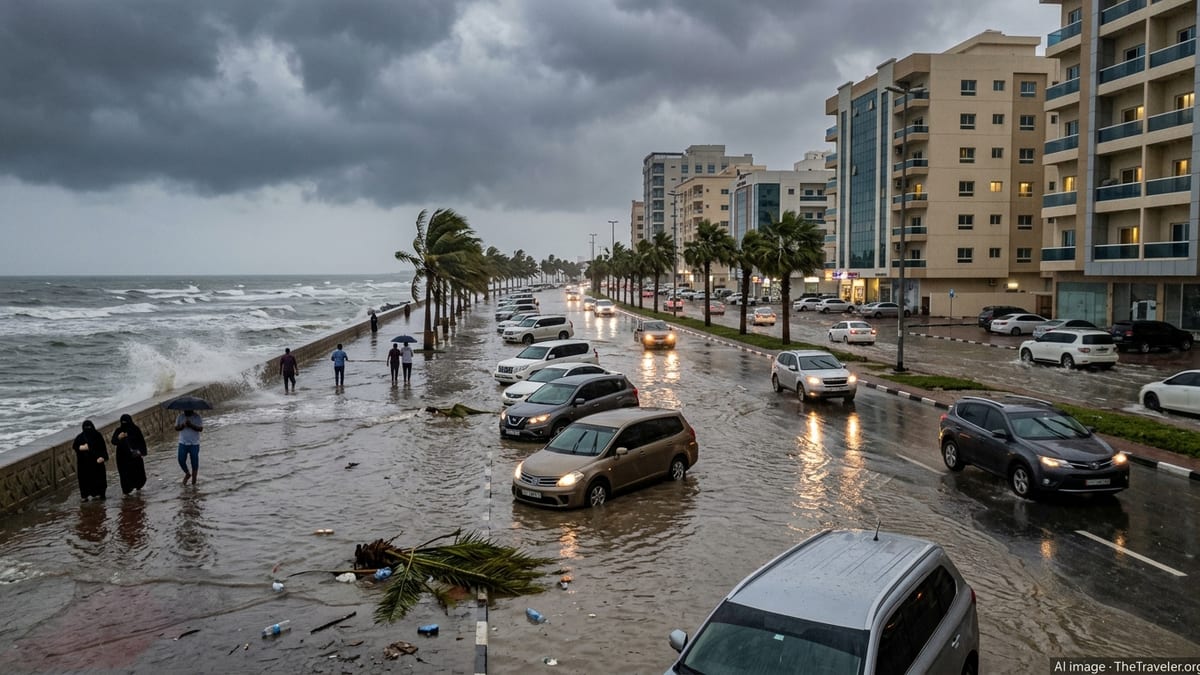
Streets under water in Ocean City resort areas
Publicly available images and local coverage from Ocean City, Maryland, show bayside streets turning into shallow canals as Friday evening’s high tide pushed storm surge into the resort town. Photos published by regional outlets on September 25 depict high water pooling around parked cars downtown and surf pounding the beach as the storm intensified offshore.
In Ocean City, New Jersey, social media posts from the morning of September 26 indicate several residential blocks experiencing significant tidal flooding, with some residents describing conditions where waves were breaking across inundated streets. Online discussions highlight water reaching driveways and intersections in traditionally flood prone parts of the barrier island.
The National Weather Service has an active Coastal Flood Warning in effect for both Ocean City, Maryland, and Ocean City, New Jersey, through at least Sunday, September 27, with forecasters pointing to multiple high tide cycles that could bring repeated rounds of street flooding. Forecast discussions emphasize the combined effect of persistent onshore winds, high surf and elevated astronomical tides.
Local nuisance flooding plans and hazard mitigation documents for Ocean City, Maryland, note that much of the town sits only a few feet above sea level and that streets and storm drains are designed to carry floodwaters away from buildings. During events such as this weekend’s storm, that approach can lead to extensive but shallow roadway flooding even when structural damage remains limited.
Travel warnings and difficult driving conditions
Travel conditions across the shore region are being affected as water covers low lying roads, particularly on the bayside of the barrier islands and along access routes that dip near marshes and tidal creeks. National Weather Service warning products for the Ocean City area caution that travel may be hazardous in locations where water covers the road surface, and that motorists should not attempt to drive through barricades placed on flooded streets.
Reports from visitors already at the Maryland resort describe traditional trouble spots on the bayside seeing water over the pavement around high tide, while oceanside blocks closer to the Boardwalk are experiencing less flooding but still contending with strong winds and blowing sand. In Ocean City, New Jersey, online commentary notes that some interior streets have become impassable to low clearance vehicles during peak water levels.
Additional High Surf Advisories and Wind Advisories are in effect along stretches of the Mid Atlantic coast, including the Ocean City shoreline. Forecast guidance for Ocean City, Maryland, on September 25 and 26 calls for northerly winds gusting over 30 miles per hour and large breaking waves, conditions that can push water into inlets and bays and complicate driving on bridges and elevated causeways.
Travel forums and local message boards for the broader region, from Delaware beaches to southern New Jersey, reflect growing concern among weekend travelers about whether to proceed with planned trips. Several contributors describe canceling or delaying departures because of the combination of heavy rain bands, standing water on roads and the potential for rapidly changing conditions along coastal highways.
Event cancellations reshape fall beach weekend
The storm’s timing has upended plans for a major fall tourism weekend in Ocean City, Maryland. Municipal information pages note that the Oceans Calling music festival, scheduled for September 25 to 27 on the Boardwalk and inlet area, has been canceled because of the coastal storm and safety concerns related to high winds and flooding.
Local lifestyle coverage published on September 25 shows crews working at the festival site as weather deteriorated, followed by images of flooded streets and powerful surf once the cancellation was announced. Online discussions among ticket holders describe last minute changes to travel and lodging plans, as visitors weigh whether to keep hotel reservations and spend the weekend in town despite the weather.
The cancellation removes one of the shoulder season’s biggest draws, an event designed to extend the tourism calendar beyond the peak summer months. Businesses that had anticipated heavy foot traffic from thousands of festivalgoers are instead facing a storm driven weekend, with some streets near the bay side parking areas seeing limited access during high water.
In Ocean City, New Jersey, the coastal flood warning coincides with late September getaway plans for many regional visitors. While no single marquee festival of the same scale is reported in that resort this weekend, flooded residential blocks and low lying commercial corridors are likely to alter how visitors move around town and may reduce day trip traffic from inland communities.
What travelers need to know right now
Publicly available forecasts for Ocean City, Maryland, indicate that the most significant coastal flooding is expected around the high tide cycles from the evening of Friday, September 25, through Sunday, September 27. Water level predictions cited in municipal email alerts for Ocean City, New Jersey, point to moderate flooding thresholds around the bayfront bridges at multiple high tides during the same period.
Travelers already on the barrier islands are being urged through city newsletters and alert systems not to disregard barricades and to avoid driving through salt water, which can damage vehicles and conceal hazards such as displaced manhole covers and deep potholes. Many local advisories recommend moving cars from chronically flood prone side streets to higher ground or structured parking areas ahead of the highest tides.
Visitors planning to arrive from inland cities over the next 24 to 48 hours are being directed through official forecast channels and municipal updates to monitor the latest coastal flood statements, high wind warnings and any potential changes to bridge or causeway operations. Although no broad evacuation orders have been reported for Ocean City as of September 26, the town’s published evacuation plans outline phased routes that prioritize residents in mobile homes and known flood zones if conditions worsen.
Because warning products emphasize that coastal flooding will repeat with each high tide, travelers may find that a road passable in the afternoon becomes impassable after dark, or that parking areas that are dry early in the day are under water by evening. Trip planners are being advised in public guidance to build extra time into drives, consider flexible check in and check out times and stay in close contact with lodging providers regarding access and any localized closures.
Storm highlights ongoing vulnerability of coastal resorts
The weekend storm is the latest reminder of the vulnerability of East Coast barrier island resorts to coastal flooding and storm surge. State and local planning documents for Ocean City, Maryland, describe the town as a narrow barrier island with an average elevation of roughly six feet above sea level, a profile that leaves streets and infrastructure exposed when strong onshore winds and high tides coincide.
Recent nuisance flooding and hazard mitigation plans prepared for the town estimate that several days each year already see some level of tidal flooding on bayside streets, even in the absence of a named storm. The current event, driven by a slow moving coastal low and enhanced by seasonal tides, is producing more extensive water coverage across roadways than those routine high water days.
In Ocean City, New Jersey, a series of state hazard assessments and municipal storm reports over the past decade document repeated episodes of coastal storms bringing water into residential neighborhoods, damaging vehicles and straining drainage systems. Online commentary during this weekend’s storm frequently references those past events as residents compare current water levels to prior nor’easters and hurricanes.
For travelers, the pattern underscores the importance of checking flood risk when booking accommodations in low lying beach towns, especially during the shoulder seasons when strong coastal storms are more common. Publicly available guidance from emergency management agencies encourages visitors to review local flood maps, understand which neighborhoods are most prone to high water and have alternative parking or departure plans ready when forecasts call for multiple days of coastal flooding.