


More news on this day
Around 140 passengers on a Brussels Airlines service between Belgium and Sicily were left stranded this week after disruption at Catania Fontanarossa Airport forced changes to their planned journey, according to Italian and Belgian media reports.
Get the latest news straight to your inbox!
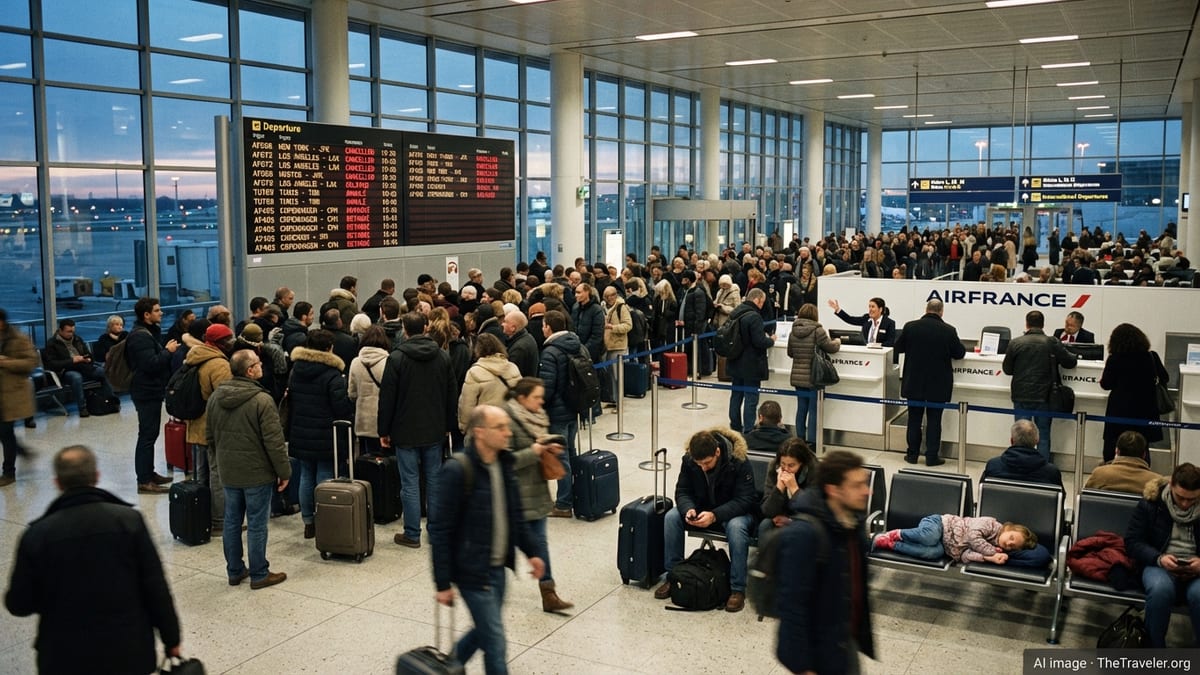
Disrupted Brussels–Catania flight leaves travelers stuck
Published coverage in Belgian outlets indicates that a Brussels Airlines flight carrying approximately 140 passengers to and from Sicily was unable to complete its scheduled Brussels–Catania service, leaving travelers temporarily stranded on the island. The incident occurred during a period of heavy operational disruption at Catania Fontanarossa Airport, which has been struggling with a combination of volcanic ash from Mount Etna and a backlog of delayed and cancelled flights.
Reports describe passengers who had been due to travel between Catania and Brussels being informed of last minute changes, with some travelers unable to secure immediate rebooking to Belgium. While the precise flight number associated with the group of 140 passengers has not been publicly confirmed, Brussels Airlines operates the core Brussels–Catania route as flight SN3131 in around two hours and forty minutes of flight time, underlining how central this connection is for leisure and visiting friends and relatives traffic between Belgium and eastern Sicily.
Information from flight-tracking services shows that the Brussels–Catania route has operated with significant schedule volatility in recent weeks, including delays and changes on multiple September services. As a result, even when aircraft were able to land or depart, onward connections and return journeys for holidaymakers were often disrupted, contributing to situations where passengers found themselves unexpectedly stuck in Catania or elsewhere in Sicily.
Etna ash and airport capacity issues strain operations
The disruption affecting Brussels Airlines passengers is part of a wider operational crisis at Catania Fontanarossa Airport during August and September 2026. Italian and international coverage links many of the difficulties to ash emissions from Mount Etna, which led to periodic closures or severe capacity reductions at Sicily’s busiest airport at the height of the summer travel season.
Local reporting from Sicily describes one of the worst operational disruptions in two decades at Catania, with hundreds of flights cancelled or diverted and tens of thousands of travelers affected over several weeks. Airport operator updates cited in Italian media indicate that more than 600 flights were either cancelled or rerouted during the extended emergency, which peaked around mid August and only gradually eased toward late September.
When volcanic ash affects airspace around Catania, arrivals and departures can be suspended for hours at a time, interrupting tightly timed schedules. Airlines such as Brussels Airlines then need to decide whether to hold aircraft and crews in place, attempt diversions to alternative airports elsewhere in Sicily, or cancel services entirely. Each of these options creates downstream consequences for passengers who may already be in resort areas and expecting to fly home on a specific date.
For the group of around 140 passengers linked to the latest Brussels Airlines incident, those wider constraints at Catania meant that replacement aircraft and alternative departure slots were difficult to arrange quickly. As a result, the disruption translated into extended waits on the island and the need for last minute changes to travel plans.
Rebooking challenges and alternative routes off the island
Published accounts from Italy and Belgium indicate that rebooking passengers out of Catania has become increasingly complex whenever Etna-related restrictions are imposed. With normal operations, Brussels Airlines offers non stop service between Brussels and Catania, but during the recent disruption many travelers were reportedly rerouted via Rome, Milan, or other European hubs to reach Belgium.
Travel forums and consumer reports from August and September describe cases in which airlines operating from Catania could not offer direct replacement flights within 24 to 48 hours, prompting some passengers to seek departures from alternative Sicilian airports such as Palermo or Comiso. Public information from Italian transport authorities notes that additional bus and rail connections have been scheduled on some days to link Catania with other cities on the island, helping stranded travelers reach airports that still had operational capacity.
For passengers on the affected Brussels Airlines service, this meant options that included overnight stays in Catania, ground transfers across Sicily, or rerouting via mainland Italy before heading on to Belgium. Reports also mention that hotel availability in coastal resorts and in Catania itself was tight during peak holiday weeks, complicating last minute accommodation arrangements for those whose holidays unexpectedly extended by a night or more.
Travelers attempting to rebook on other carriers from Sicily have also faced limited capacity. Data compiled by Italian aviation observers show that routes such as Catania to Rome, Milan, and northern European hubs are heavily booked during late summer, leaving few open seats once large numbers of passengers from cancelled flights begin searching for alternatives.
Passenger rights under European air travel rules
The situation involving the 140 Brussels Airlines passengers in Sicily has renewed attention on passenger protections within the European Union. Under EU Regulation 261/2004, travelers on flights departing from an EU airport such as Catania, or operated by an EU carrier like Brussels Airlines, are entitled to care and assistance when their flights are cancelled or subject to significant delays.
Publicly available guidance on the regulation explains that passengers affected by cancellations are entitled to a choice between reimbursement of the unused ticket and re routing to their final destination at the earliest opportunity or at a later date of their choosing, subject to seat availability. In addition, airlines are expected to provide meals, refreshments, and hotel accommodation where necessary while travelers wait for new transport, particularly when an overnight stay becomes unavoidable.
Financial compensation under EU 261 is not always guaranteed in situations like the recent Catania disruption. If airlines can demonstrate that cancellations or long delays were caused by extraordinary circumstances such as airspace closures due to volcanic ash, compensation payments may not be owed, even though the duties related to care and re routing still apply. Coverage of the Etna related shutdowns at Catania has highlighted this distinction, with some consumer advocates noting that passengers can be left without compensation despite extensive disruption to their plans.
Brussels Airlines publishes information on travel regulations and passenger rights through its official channels, indicating that travelers should consult both EU rules and the airline’s own policies when disruption occurs. For the group stranded in Sicily, these frameworks determine what assistance they can request and what costs may be eligible for reimbursement once they return home.
What the incident means for future travel to Sicily
The incident involving approximately 140 Brussels Airlines passengers underscores broader questions about resilience in Sicily’s air transport network during peak season. Catania Fontanarossa is the primary gateway for eastern Sicily and typically handles tens of thousands of travelers each day in August, focusing a large share of tourist traffic on a single airport that is vulnerable to both volcanic ash and operational bottlenecks.
Travel industry analysis suggests that recurring disruption at Catania during the 2026 summer may prompt some visitors to adjust their plans for future seasons. Options include flying into Palermo or smaller Sicilian airports when possible, building additional buffer days into itineraries, or considering flexible tickets that allow for changes without high penalties if airport closures or ash advisories reappear.
For Brussels Airlines, the operational challenges linked to Sicily come at a time of heightened competition on Mediterranean leisure routes and rising fuel and staffing costs across the European airline sector. Coverage of the carrier’s recent financial results has already highlighted the need to balance network expansion with operational reliability. Managing routes that are highly exposed to environmental factors, such as the Brussels–Catania link, will likely remain a focus as the airline plans future summer schedules.
For travelers, the experience of the stranded group in Sicily serves as a reminder to monitor flight status closely, register contact details with airlines, and keep records of any additional expenses incurred during disruptions. While the situation at Catania has begun to stabilize according to Italian airport updates, the combination of volcanic activity, high demand, and limited spare capacity means that routes to and from Sicily may continue to require flexibility for some time.