


More news on this day
Nigeria’s domestic air travel sector logged 4,765 delayed flights in August, with Air Peace and United Nigeria emerging as the carriers most affected, according to newly released performance figures that highlight persistent operational strains across the network.
Get the latest news straight to your inbox!
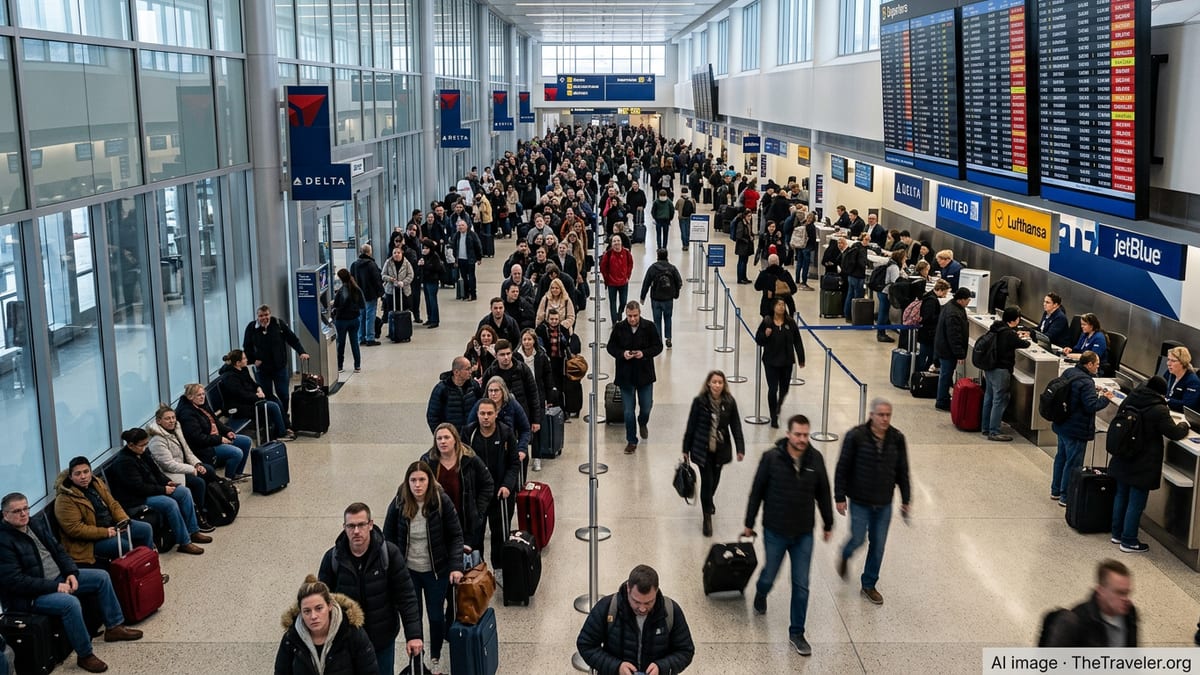
Regulatory data spotlight on domestic flight disruptions
Recent data attributed to the Nigeria Civil Aviation Authority indicates that airlines operating domestic routes collectively recorded 4,765 delayed flights in August, underscoring the scale of disruption facing passengers across the country. The figures form part of a broader executive summary on flight performance that has been the subject of extensive local media coverage.
Within the breakdown, Air Peace and United Nigeria are identified as leading contributors to the monthly delay tally, reflecting both their sizeable market share and the operational pressures on larger carriers. Earlier half year reports on 2024 traffic patterns already showed Air Peace at the top of delay rankings in absolute numbers, with United Nigeria also featuring prominently among carriers with frequent schedule disruptions.
The August snapshot follows a wider trend in which almost half of scheduled domestic operations experience some form of delay. Analysts following the sector note that the numbers point to systemic constraints, ranging from aircraft availability and maintenance cycles to infrastructure bottlenecks at key hubs such as Lagos and Abuja.
Industry commentary in Nigerian business outlets describes the August figures as part of a continuing pattern, rather than an isolated spike. Airlines have expanded route networks faster than their available fleets in recent years, a dynamic that leaves little slack when technical checks, weather or airspace restrictions intervene, and translates quickly into cascading delays.
Air Peace and United Nigeria under performance pressure
Air Peace, currently the largest Nigerian carrier by domestic market share, once again tops the list in terms of the number of delayed services for the month. Publicly available summaries of regulatory data for the first half of 2024 already showed the airline recording several thousand delays out of more than eleven thousand flights, highlighting the gap between planned schedules and day to day execution.
United Nigeria, which has grown rapidly on trunk routes linking Lagos, Abuja and several regional cities, also ranks near the top of the August delay table. Earlier summaries of its January to June operations indicated that a significant share of its flights arrived behind schedule, a reflection of both fleet limitations and congestion on busy domestic corridors.
Despite the headline numbers, sector coverage notes that both airlines continue to position themselves as key players in connecting secondary cities and supporting business travel across Nigeria. Air Peace, in particular, has expanded into regional and intercontinental markets, adding further complexity to its scheduling and fleet management. Observers say that balancing this growth with sustainable on time performance remains one of the carrier’s most significant challenges.
For United Nigeria, August’s statistics arrive at a time when the airline has been urged by regulators, through public statements, to strengthen its operational reliability and improve communication with passengers during disruptions. Market watchers suggest that how the carrier responds in the coming months will shape perceptions of its long term competitiveness.
Causes of delays span aircraft shortages, weather and infrastructure
Industry reports consistently link the high rate of delays across Nigerian domestic aviation to a convergence of structural and operational factors. One recurring theme is the limited size of active fleets relative to published schedules. Data compiled from earlier in the year showed that a dozen or so domestic airlines together operate fewer than one hundred aircraft, many of which rotate intensively between multiple sectors per day.
When any aircraft is taken out of service for mandatory maintenance, technical checks or unexpected faults, airlines often have limited spare capacity to step in, making knock on delays difficult to avoid. Aviation analysts quoted in Nigerian financial media have also highlighted the impact of rising maintenance and leasing costs, denominated in foreign currency, which complicate efforts to expand or modernise fleets.
Weather related disruptions, particularly during the rainy season, further compound the situation. Low visibility, thunderstorms and waterlogged runways can force temporary closures or extended separation between aircraft, affecting punctuality across the network. These conditions are particularly impactful at airports that already struggle with congestion at peak hours.
Infrastructure constraints round out the picture. Busy hubs such as Lagos are dealing with high demand relative to terminal and airside capacity, which can lead to longer turnaround times, ground handling delays and congestion on taxiways. Sector observers argue that without parallel investment in airport facilities and air traffic management, even well resourced airlines will struggle to bring down delay rates in a meaningful way.
Passenger experience and growing consumer rights awareness
The August delay figures translate directly into missed connections, rescheduled meetings and disrupted family trips for thousands of passengers. Reports in Nigerian newspapers and online forums frequently mention travellers spending long hours in crowded departure halls, sometimes with limited information about revised departure times or the underlying reasons for delays.
At the same time, awareness of passenger rights under Nigeria’s civil aviation regulations has grown. Public information from the regulator sets out entitlements to refreshments, communication support and, in some cases, compensation when flights are significantly delayed, cancelled or overbooked. Consumer advocacy groups have encouraged affected travellers to document their experiences and pursue redress through airline customer service channels and, if necessary, through regulatory complaint mechanisms.
These dynamics are adding reputational pressure on airlines named in monthly performance summaries. While many disruptions are triggered by safety driven decisions or factors beyond an operator’s control, sustained patterns of late departures can influence booking choices, particularly among frequent business travellers who value reliability over marginal price differences.
Some local commentary suggests that transparent publication of delay statistics, broken down by carrier and route, could further empower consumers to compare performance and push airlines toward more realistic scheduling. However, stakeholders also caution that improving punctuality will require coordinated efforts that go beyond individual airlines and address systemic weaknesses in the wider aviation ecosystem.
Regulatory response and prospects for improvement
The August data arrives against a backdrop of stepped up regulatory attention to flight disruptions. In recent months, public statements from the Nigeria Civil Aviation Authority have outlined enforcement actions against carriers that fail to process refunds or provide mandated care to passengers following delays and cancellations, framing consumer protection as a core oversight priority.
Regulators have also convened stakeholder meetings with airline operators to discuss structural solutions to chronic delays. Public briefings from those engagements reference recommendations that carriers align their published schedules more closely with the actual number of serviceable aircraft, and that they invest in better crew and fleet planning tools to reduce avoidable disruptions.
Aviation specialists following the Nigerian market say that the persistence of high delay figures, including the 4,765 disruptions recorded in August, could act as a catalyst for change. Visible enforcement of existing rules, combined with rising consumer expectations, may encourage airlines to trim unrealistic schedules, build more slack into operations and prioritise timely communication when problems arise.
For travellers, the immediate reality is that delays remain a recurrent feature of domestic flying in Nigeria, even as airlines and regulators signal commitments to improvement. How quickly the August statistics begin to shift in a positive direction will depend on the extent to which those commitments translate into concrete operational changes over the coming months.