


More news on this day
Intense summer rains across southern China have triggered severe flooding, large-scale relocations and mounting transport disruption, with airports and rail hubs struggling to keep operations running as water levels rise and storm alerts escalate.
Get the latest news straight to your inbox!
Flights snarled as storms hit key southern gateways
Air travel across parts of southern China has been heavily affected as bands of torrential rain and thunderstorms sweep through the region. Published coverage from Chinese and international outlets indicates that Shenzhen Bao’an International Airport has experienced significant knock-on effects, with dozens of departing flights delayed on Monday after storms built over the Pearl River Delta. The issues have coincided with one of the first major rain events of the traditional summer flood season, amplifying pressure on airlines and passengers.
While major hub airports in Guangzhou and Shenzhen have largely remained open, aviation data and local media reports point to prolonged waiting times, rolling delays and scattered cancellations as airlines adjust to fast-changing weather and air traffic control constraints. Passengers heading to or transiting through southern China have been urged in public advisories to monitor flight status closely, arrive early at airports and prepare for potential last-minute changes.
Further north, reports from domestic media suggest that Beijing’s main international gateway has also activated an elevated operations response following days of unsettled weather, anticipating possible ripple effects as storms track across a broad swathe of the country. Even where terminals remain dry, aircraft turnaround times and airspace capacity are being squeezed by the need to route flights around intense storm cells.
Travel industry commentators note that China’s aviation system is accustomed to summer rainfall, but the particular intensity and geographic scope of the latest storms are testing schedules just as international tourism continues to recover. The result is a patchwork of disruption that is complicating itineraries for business travelers and tourists alike.
Mass relocations and rivers above warning levels
Beyond the airport terminals, the human impact of the flooding has been stark. Reports from state-affiliated outlets and wire services indicate that thousands of residents in low-lying districts of Guangdong and Guangxi have been relocated from homes threatened by rapidly rising water. River monitoring data shared in official bulletins show water levels surpassing warning thresholds on multiple waterways, prompting intensified flood-control measures.
Provincial water resources authorities in Guangdong have raised their emergency response to a higher level as heavy to extreme rainfall batters northern parts of the province, sections of the Pearl River Delta and eastern coastal areas. Publicly available information shows that communities in counties such as Huilai, under the jurisdiction of Jieyang city, have seen floodwaters reach chest height in ground-floor residences after rain that residents described as relentless since the weekend.
National agencies have expanded meteorological and flood alerts, moving to a Level III emergency response for heavy rain and severe convective weather in affected regions. That status, the third-highest in a four-tier system, requires local authorities to intensify real-time monitoring, issue more frequent warnings and prepare evacuation and rescue assets. With soils already saturated in many locations, additional downpours are raising the risk of flash floods and landslides in mountainous terrain.
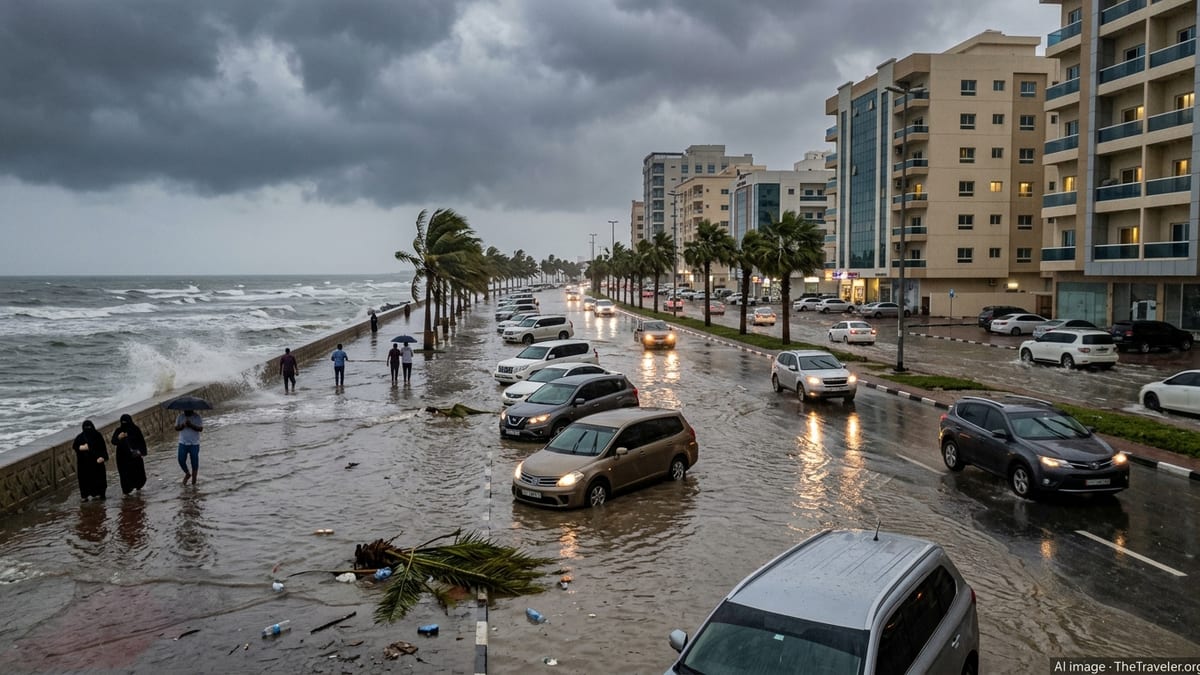
Imagery and video circulating on Chinese social media platforms, corroborated by local news coverage, show submerged streets, inundated vehicles and residents wading through fast-moving water to reach higher ground. While full assessments of economic losses have yet to be released, early estimates suggest significant damage to housing, small businesses and local infrastructure.
Rail and road networks strained by extreme downpours
The deluge is also weighing heavily on southern China’s dense network of roads and railways. According to reports summarizing statements from regional railway operators, some trains on key routes in Guangdong, including stretches of the Beijing–Kowloon line between Yangcun township and Huizhou, have been adjusted, diverted or temporarily suspended as track inspections continue in flooded areas.
Highways and urban expressways in cities across the Pearl River Delta have experienced localized closures due to waterlogged underpasses and drainage backlogs, based on accounts in provincial media. Motorists have been advised through traffic alerts to avoid low-lying sections where standing water can hide potholes or stalled vehicles, and bus operators have reshuffled routes in neighborhoods where floodwaters remain high.
Transport specialists note that China’s coastal south is accustomed to dealing with intense summer rainfall, but the current pattern of sustained heavy showers over multiple days is complicating normal drainage cycles. Where storm sewers are overwhelmed, water can back up quickly, cutting off side streets, commercial zones and residential compounds even when main arterials remain passable.
As the weather system expands northward, national forecasts highlight the risk that additional rail corridors and highways in North China and the Northeast could see similar disruptions from storms, strong winds and hail. Logistics companies are already warning clients of potential delays in freight movements out of major ports and manufacturing hubs.
Forecasts warn of continued heavy rain across wide region
China’s National Meteorological Center and related forecasting bodies are signaling that the flooding threat is far from over. Updated bulletins on Tuesday point to continued heavy to torrential rain across large parts of southern China, with some areas in the Pearl River Delta and along the Guangxi coast facing forecast rainfall totals that could reach 250 to 350 millimeters over short periods.
The same system is feeding unstable weather into eastern Inner Mongolia, North China and the Northeast, where scattered thunderstorms, localized downpours, strong gusts and hail are expected. Meteorologists have maintained heightened alerts for severe convective weather, emphasizing the potential for short-duration, high-intensity bursts of rain that can quickly overwhelm drainage systems and trigger flash floods.
These conditions align with broader analyses from Chinese climate specialists, who have warned in recent years that a warming atmosphere is likely to increase the frequency of extreme rainfall events, especially along densely populated river basins and coastal belts. While the current floods are being driven by seasonal monsoon dynamics rather than a named typhoon, the volume and concentration of precipitation are reminiscent of past flood seasons that caused widespread damage.
For now, authorities at various levels are focusing on maintaining early warning channels, reinforcing embankments and checking reservoirs and flood-control structures, according to official briefings. The situation remains fluid, with regional flood-control headquarters cautioning that additional evacuations may be needed if rainfall intensifies or rivers climb further above warning marks.
Travelers weigh risks as summer tourism season builds
The unfolding flood crisis comes as both domestic and international travel demand to China continues to rebound, raising difficult choices for travelers with upcoming itineraries. Online forums and travel communities show a growing number of questions from visitors wondering whether to reroute trips away from the hardest-hit parts of Guangdong and Guangxi, or to build extra time into schedules in case of delays.
Tourism analysts note that China’s vast geography often allows for regional substitution when extreme weather strikes. While southern corridors around the Pearl River Delta and coastal Guangxi face acute flood risks this week, other destinations in central and northern China may remain largely unaffected aside from occasional storms. However, those hoping to connect through major hubs in the south could still encounter disruption, even if their final destination is elsewhere.
Public advisories from transport and tourism bodies emphasize the importance of flexible planning. Travelers are encouraged to consider refundable fares where possible, register contact details with airlines and tour operators, and keep digital copies of tickets and hotel bookings readily available in case they need to be reissued. Travel insurance products that specifically cover weather-related delays and trip interruptions are also drawing renewed attention.
For residents of flood-prone areas, the priority remains safety rather than travel. Local coverage shows community volunteers, emergency teams and civic organizations coordinating temporary shelters, basic supplies and assistance for those displaced. As river levels and rainfall forecasts evolve over the coming days, the balance between restoring normal mobility and protecting people from fast-changing hazards will remain at the center of China’s flood-response efforts.