


More news on this day
Regent Seven Seas Cruises is preparing a significant redesign of its Explorer-class vessels, moving toward larger, more spacious suites and a modest reduction in overall accommodation capacity as the ultra-luxury line aligns its existing fleet with the forthcoming Prestige-class newbuilds.
Get the latest news straight to your inbox!
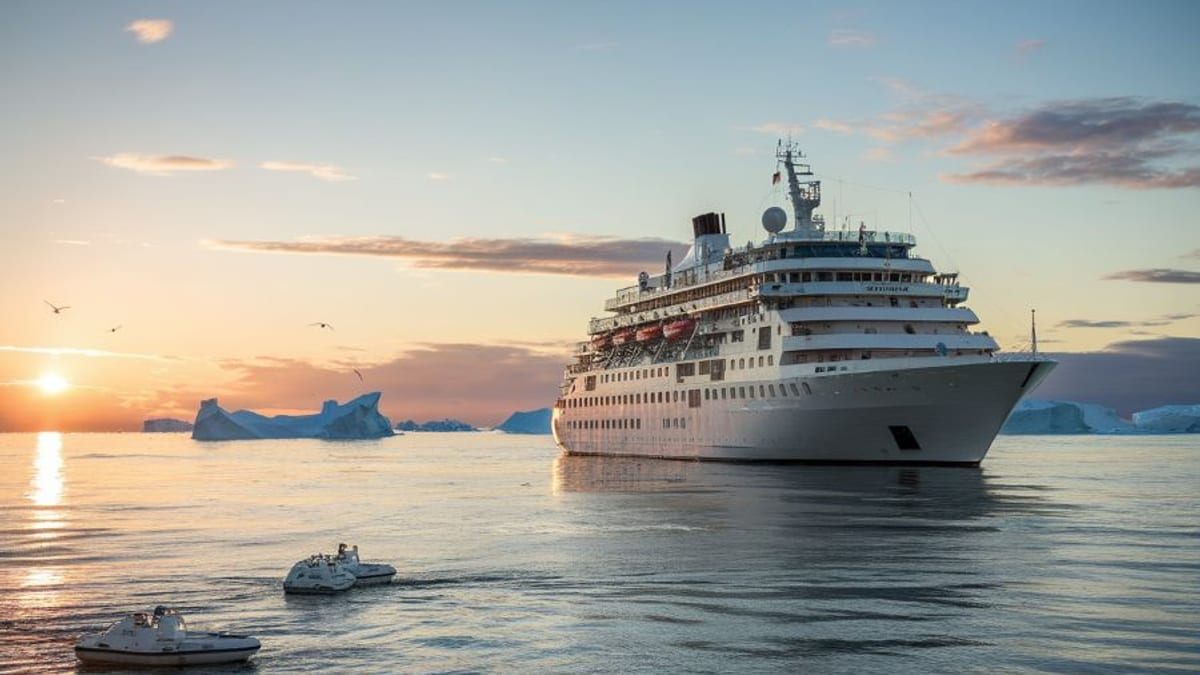
Explorer Class Evolves in the Wake of Prestige Debut
Publicly available information on upcoming ship deployments indicates that Regent Seven Seas Cruises is using the launch of its new Prestige class from late 2026 as a blueprint for refreshing its Explorer-class experience. The 77,000‑gross‑ton Seven Seas Prestige has been designed to carry about 822 guests, pairing a relatively small guest count with generous tonnage to create one of the highest space-to-guest ratios in the luxury segment.
The Explorer-class trio of Seven Seas Explorer, Seven Seas Splendor and Seven Seas Grandeur already operates as all-suite, all-balcony ships, but early itinerary and brochure material for Prestige shows a new generation of expansive accommodations, including multi-level Skyview suites and enlarged penthouse and loft-style categories. Industry observers note that Regent appears to be drawing on these layouts and space standards as it rethinks how many guests its existing Explorer-class ships should host, and how that space is divided between categories.
Regent has historically marketed its hardware on the promise of “Unrivaled Space at Sea,” and the Prestige class further reinforces that message by devoting more of the hull to suites and public areas relative to the number of berths. The decision to translate these ideas back to the Explorer class points to a strategy that prioritizes consistency of experience across the fleet, especially for repeat guests booking across multiple ships and seasons.
While detailed refit schedules have not been published, comments shared in trade coverage and cruise community discussions suggest that the company is planning an incremental approach, integrating cabin reconfigurations and new suite categories into upcoming dry docks rather than through a single, disruptive overhaul.
Larger Suites and New Categories Inspired by Ultra-Luxury Design
Documentation for Seven Seas Prestige highlights a suite mix centered on very large accommodations, including the Skyview Regent Suite and other multi-room, multi-level layouts that significantly exceed traditional balcony-cabin footprints. These designs provide a template for the Explorer class, where select existing staterooms are expected to be reconfigured into fewer, but more expansive, suites.
Industry materials describe twelve distinct suite categories on Prestige, among them new loft-style and horizon penthouse types that emphasize panoramic glazing, oversized balconies and separate living and sleeping zones. Mirroring this philosophy on Explorer-class ships would see certain decks shift away from a dense run of similar cabins toward a more varied mix that gives high-yield guests greater choice in terms of square footage and configuration.
Reports indicate that Regent is also focused on increasing the number of top-tier accommodations relative to total berths, reflecting strong demand for large suites that bundle in more privacy, expanded butler service and enhanced in-suite dining. On Explorer-class vessels, this could mean converting clusters of standard veranda suites into enlarged penthouse or loft-style options that command premium pricing but occupy a similar amount of overall corridor length.
For guests, the most noticeable changes are likely to appear in the form of deeper balconies, more distinct living and dining areas within suites, and bathroom footprints that more closely resemble those on the new Prestige class. These shifts move the Explorer class further away from conventional cruise-cabin design and closer to the feel of high-end residential apartments at sea.
Reduced Accommodation Capacity to Boost Space and Service
Alongside the move to larger suites, Regent’s evolving fleet plan shows a clear tilt toward lower relative capacity on its newest hardware. Seven Seas Prestige is set to carry only slightly more guests than earlier Regent vessels despite being materially larger in gross tonnage, a pattern that underlines the line’s decision to favor personal space over absolute berth count.
Translating that approach to the Explorer class implies a net reduction in total accommodations as smaller units are combined into larger footprints. The result is fewer keys but more square meters per guest, which allows Regent to maintain its positioning at the very top of the upper-premium and luxury market, where crowding and queuing are increasingly seen as brand liabilities.
Although precise post-refurbishment numbers for the Explorer-class ships have not been released, publicly available comparisons with earlier brochures suggest that any capacity changes will be modest in absolute terms but material in their impact on perceived spaciousness. Fewer guests also support a stronger crew-to-guest ratio, an important metric for luxury operators that sell personalized service as a core part of the fare.
For travel advisors, a slightly lower berth count on Explorer-class ships may translate into tighter inventory at peak times, especially in the upper suite categories. However, higher per-diem yields on larger accommodations could offset this by improving revenue per sailing while maintaining the quiet, uncrowded ambiance that many Regent guests value.
Competitive Pressures in the Luxury Cruise Segment
The decision to expand suite sizes and ease back on capacity in the Explorer class comes as the luxury and ultra-luxury cruise segments experience an influx of new tonnage with similarly space-forward designs. Rivals are introducing vessels with fewer guests relative to their size, expanded spa and wellness facilities, and residential-style suites aimed at travelers accustomed to top-tier hotels and private villas.
According to industry analysis, this competitive environment puts pressure on established brands to maintain clear product differentiation. For Regent, aligning the Explorer-class ships with the upcoming Prestige class helps reinforce its fleet-wide identity while responding to guest expectations for more room, quieter public spaces and a heightened sense of privacy on board.
Cruise analysts also point out that ultra-luxury lines are increasingly targeting longer itineraries and world cruises, where the amount of personal space and the comfort of cabins take on greater importance. Enhancing the Explorer-class accommodation mix with larger suites positions those ships more effectively for extended sailings, back-to-back bookings and high-value segments such as world-cruise guests.
As the orderbook for luxury newbuilds stretches well into the next decade, incremental upgrades to existing tonnage are likely to remain a key tool for operators seeking to keep pace without flooding the market with entirely new ships. In this context, the Explorer-class refresh appears to be part of a broader, measured response to long-term shifts in guest expectations.
What the Changes Mean for Future Guests and Bookings
For travelers considering an Explorer-class sailing in the coming years, the evolving accommodation plan suggests a product that will feel increasingly aligned with Regent’s newest ship designs. Potential guests can expect a larger share of high-category suites, more expansive standard layouts and a shipboard environment that feels less dense than many contemporary vessels of comparable size.
From a booking perspective, travel sellers may need to adjust how they position Explorer-class voyages, placing greater emphasis on space, privacy and suite design rather than on total choice of cabin count. As new layouts come online, early demand is likely to skew toward the most distinctive categories, particularly multi-level and corner suites that offer wraparound views or extended terraces.
At the same time, a leaner capacity profile should help Regent sustain its reputation for an uncrowded, club-like atmosphere, particularly on port-intensive itineraries where guests value quick embarkation, short lines and ready access to popular venues. The shift toward larger suites and reduced accommodation capacity on Explorer-class ships signals that, for this line, space itself has become a central part of the promise it sells to discerning cruisers.